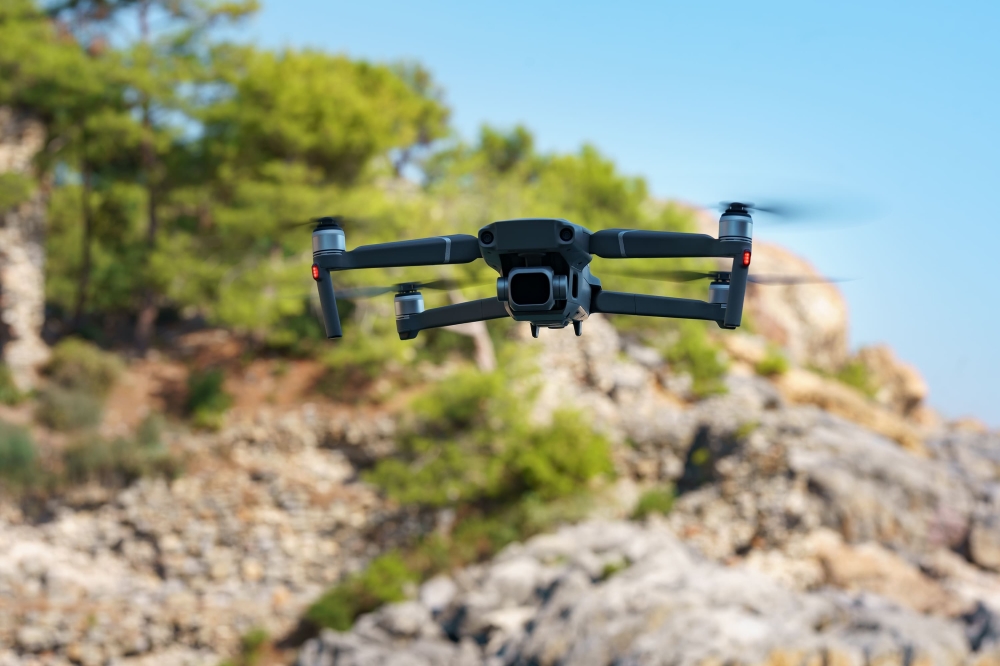
Prison authorities in Melaka have successfully intercepted a sophisticated smuggling operation targeting Sungai Udang Prison, leading to the arrest of two suspects who attempted to deliver prohibited items using an unmanned aerial vehicle. The interdiction represents a significant win for the Prisons Department in its ongoing battle against contraband networks seeking to compromise security inside the country's correctional facilities.
The incident underscores a troubling trend across Malaysian detention centres, where criminal syndicates have progressively adopted drone technology to circumvent traditional security barriers. Unlike previous smuggling methods reliant on human couriers or improvised delivery mechanisms, drones enable operators to bypass perimeter fencing and reduce the window of detection, presenting unprecedented challenges for prison management officials responsible for maintaining institutional safety and order.
The Prisons Department's ability to detect and neutralise this attempt reflects enhanced vigilance protocols and improved surveillance infrastructure within the facility. Enhanced monitoring systems, whether radar-based detection or visual reconnaissance, have become essential investments for correctional institutions nationwide as criminal networks become increasingly resourceful. This particular success demonstrates that when adequate resources and training are deployed, authorities can still outmanoeuvre determined smugglers intent on introducing contraband into secure environments.
The nature and intended destination of the prohibited items remain subjects of active investigation. Typically, such operations target high-security inmates or individuals with significant influence within prison hierarchies, enabling them to maintain external criminal operations or secure leverage over other detainees. Common contraband includes mobile phones and SIM cards, which inmates use to orchestrate criminal activities from behind bars, alongside drugs, weapons, or money used to maintain hierarchical control or facilitate escapes.
The timing of this incident carries broader implications for Malaysian correctional administration. As prisons continue expanding their inmate populations—driven by rising crime rates and drug-related offences—the challenge of maintaining security intensifies. Fewer resources spread across overcrowded facilities can create vulnerabilities that criminal organisations methodically identify and exploit, making proactive detection capabilities increasingly vital to operational integrity.
For Southeast Asian readers monitoring regional security trends, this case exemplifies challenges facing prison systems throughout the region. Thailand, Indonesia, and the Philippines have reported similar drone smuggling attempts, indicating a coordinated evolution in contraband delivery tactics rather than isolated incidents. The cross-border nature of these criminal networks suggests that information-sharing between regional correctional authorities will become essential for effective prevention strategies.
The arrest of the two suspects initiates a broader investigative process likely to uncover upstream supply chains and downstream recipients within the facility. Intelligence gathered from these individuals could illuminate connections between external criminal networks and imprisoned associates, potentially disrupting multiple illegal operations simultaneously. This investigative dimension often yields more valuable security intelligence than the physical interdiction of contraband itself.
Prison management has likely implemented immediate tactical responses following this incident, including enhanced perimeter surveillance, drone detection equipment deployment, and revised procedures for yard time and visiting protocols. Such reactive measures, while necessary, highlight the resource-intensive nature of defending against technologically sophisticated threats. Sustainable solutions require investment in detection technology, personnel training, and intelligence-gathering capabilities extending beyond individual facility management.
The incident raises important questions about visitation policies and communication technologies permitted within facilities. Some correctional jurisdictions have implemented mobile phone blocking systems—technology long deployed in Australia and parts of Europe—though Malaysian adoption remains limited. Balancing security imperatives against inmates' rights to maintain family contact and legal representation requires careful policy calibration, yet technological smuggling trends increasingly force administrators' hands toward more restrictive approaches.
Looking forward, this foiled attempt should catalyse broader systemic reviews across Malaysia's correctional infrastructure. The Prisons Department may consider establishing specialised task forces dedicated to emerging smuggling methodologies, coordinating intelligence with law enforcement agencies combating related crimes outside facilities. Such integration ensures that investigations don't terminate at individual prosecutions but rather contribute to intelligence pictures illuminating organised criminal structures.
The case also underscores why public perception matters for prison security. When authorities successfully publicise interdictions and prosecutions, they generate deterrent effects among potential smugglers calculating risk-versus-reward calculations. Transparent communication about security investments and successful operations reinforces public confidence that correctional institutions function as secure facilities rather than permeable institutions easily compromised by determined criminal enterprises.

