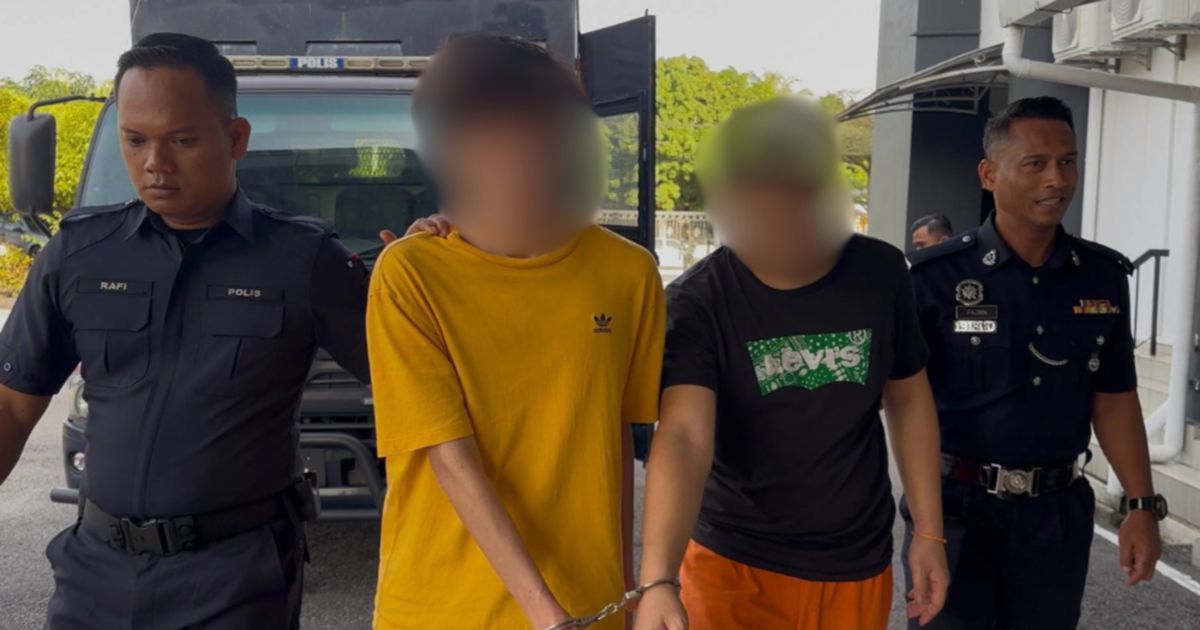
Authorities in Johor Baru have expanded their net in the murder investigation following the discovery of a corpse bound and wrapped in fishing net in Sungai Tanjung, Parit Raja, on Sunday. The two additional arrests bring the case to a new phase as investigators piece together the circumstances surrounding the victim's death and establish the roles played by each suspect.
The victim was found secured within the net in what investigators describe as a highly unusual and deliberate method of concealment, suggesting premeditation and possible involvement of multiple perpetrators. The nature of the wrapping indicates those responsible took steps to dispose of the body in a manner designed to delay discovery or impede identification efforts. Such methods have previously been associated with organized criminal activity or disputes between individuals with access to maritime environments or fishing equipment.
The investigation represents a significant development for Johor's law enforcement agencies, which have been working systematically to establish connections between the arrested suspects and determine their individual involvement in the crime. Each suspect will face interrogation to establish whether they participated in the murder itself, the disposal of the body, or facilitated the crime in other capacities. Forensic evidence collected from the scene and the victim's body will be cross-referenced with statements and physical evidence linked to the suspects.
The location where the body surfaced, Sungai Tanjung in Parit Raja, sits in a region characterized by both residential areas and waterways frequently used for fishing and transportation. The choice of disposal location may prove significant, potentially indicating suspect familiarity with the area or access to transportation allowing them to reach the site. Local residents in the vicinity are likely to face further questioning regarding unusual activities observed on or before Sunday.
Motivation behind the homicide remains under investigation, with authorities examining possibilities including criminal rivalry, business disputes, personal conflicts, or organized crime involvement. The fact that multiple individuals were needed or recruited for the crime suggests the victim may have been considered a significant threat by the perpetrators, or that the crime represents retaliation for previous incidents. Financial gain, debt, or territorial disputes frequently underpin such severe violent offences in Malaysia.
The advancement to two additional arrests signals police confidence in their investigative direction and access to evidence linking these individuals to the case. This may include witness testimony, surveillance footage, forensic findings, or digital records establishing connections between the suspects and either the victim or the crime scene. Each new arrest typically follows confirmation of probable cause sufficient to justify detention and interrogation.
For the broader Johor community, such crimes prompt renewed attention to personal safety and the activities of criminal networks operating within the state. While headline murders command public attention, the underlying causes frequently stem from organized crime, drug trafficking, or gang-related activities which authorities work to dismantle through intelligence gathering and enforcement operations. The investigation's outcome may illuminate these darker networks operating across the region.
The police investigation will proceed through established protocols including custody periods for interrogation, forensic analysis, and possible charging decisions within prescribed timeframes. Defence lawyers may be assigned or retained as suspects exercise legal rights, and the case may attract court proceedings ranging from bail hearings to committal proceedings. Transparency in the investigation process remains important for maintaining public confidence in the justice system.
Parit Raja residents and those familiar with the locality should be alert to police requests for information, as witnesses or individuals with knowledge of the victim, suspects, or surrounding circumstances may hold crucial details for the investigation. Anonymous tip lines offer channels for community members uncomfortable providing information directly. Cooperation between public and authorities frequently proves decisive in complex homicide investigations involving multiple suspects.
The incident underscores ongoing challenges facing Malaysian law enforcement in addressing serious violent crime, particularly offences involving coordination between multiple perpetrators. While arrest rates demonstrate police responsiveness, prevention through community engagement and disruption of criminal networks before they escalate to homicide remains a longer-term objective. Johor authorities will likely intensify operations targeting organized crime groups identified through this investigation.
As the case progresses through the criminal justice system, further details regarding the victim's identity, suspect motivations, and the sequence of events leading to the homicide will likely emerge through court proceedings and police statements. Media coverage and public interest will continue to track the investigation, particularly once charges are formally laid. The outcome will provide a test of Johor's investigative capabilities and judicial processes in handling complex homicide cases.

