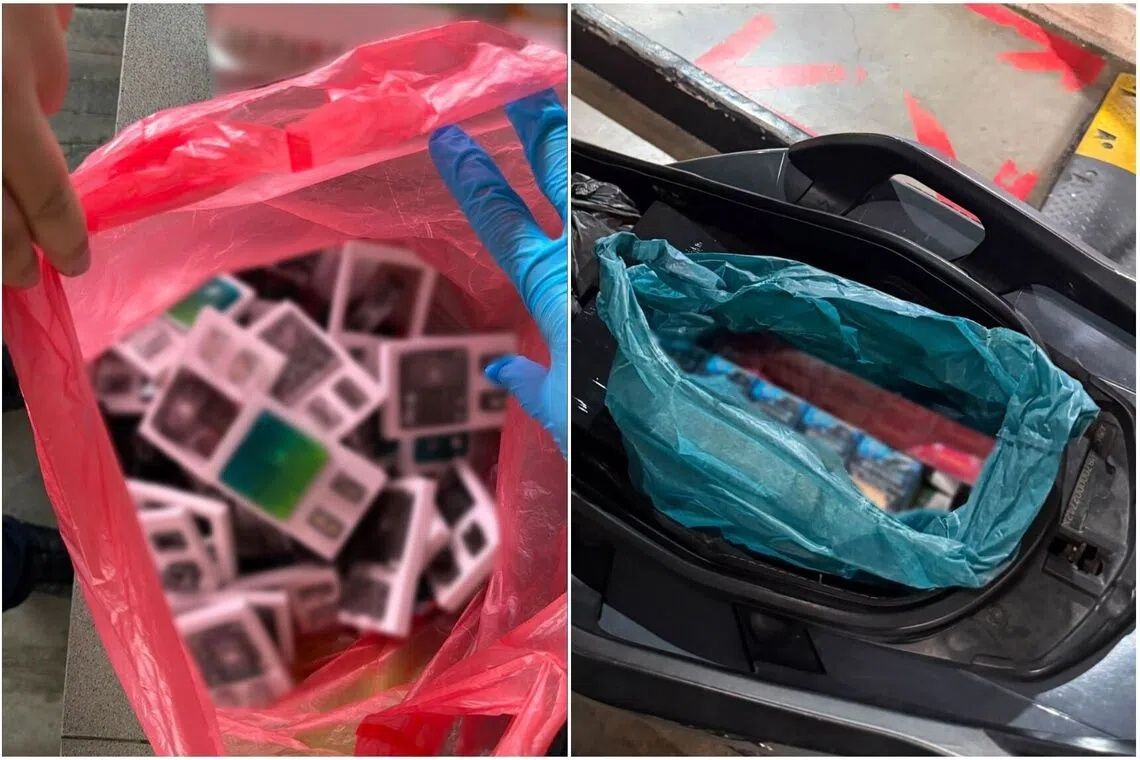
Singapore's Immigration and Checkpoints Authority has intensified enforcement against contraband tobacco and vaping products, with two separate arrests at Woodlands Checkpoint highlighting the persistent challenge of illicit goods trafficking across the Malaysia-Singapore border. A 46-year-old Malaysian citizen and a 51-year-old Singaporean national were apprehended on August 3 and 4 respectively, each carrying substantial quantities of duty-unpaid cigarettes and prohibited vaping devices concealed within their motorcycles.
The first apprehension occurred on August 3 when ICA officers flagged a Malaysia-registered motorcycle for enhanced inspection at the checkpoint. Upon searching the vehicle's storage compartment, officers discovered more than 30 packets of cigarettes bearing no duty stamps, alongside over 60 vaping devices and associated components. The discovery underscores how motorcycles remain a favoured mode of transport for small-scale smugglers who can navigate border checkpoints more quickly than larger vehicles, while storing contraband in compartments that may escape cursory examination.
Just 24 hours later, on August 4, a second operation uncovered an even larger haul when authorities inspected a Singapore-registered motorcycle. This search yielded 25 cartons and 30 additional packets of duty-unpaid cigarettes, along with more than 60 vaping products hidden beneath the seat and within the storage box. The pattern suggests a coordinated effort or at minimum a knowledge-sharing network among smugglers regarding viable concealment methods and crossing times at the busy checkpoint.
The contraband seizures carry significant implications for Malaysia-Singapore trade relations and cross-border enforcement cooperation. Woodlands Checkpoint handles thousands of vehicles daily, making it a critical chokepoint where smuggling operations are frequently detected. For Malaysian readers, these arrests demonstrate Singapore's uncompromising stance on duty evasion and contraband importation, policies that extend beyond simple law enforcement into broader public health and revenue protection strategies. The checkpoint sees constant traffic from Malaysian workers, traders, and travellers, and such smuggling attempts create friction points that can complicate legitimate cross-border movement.
Once initial arrests are made at checkpoints, investigations typically expand beyond the apprehended individuals. The ICA referred both suspects and all seized items to Singapore Customs and the Health Sciences Authority for further investigation, suggesting authorities may be pursuing broader networks or examining supply chain connections. This collaborative approach between multiple agencies reflects Singapore's systematic approach to combating organised smuggling operations that may extend beyond individual cases.
Duty evasion penalties in Singapore carry substantial weight. Individuals convicted of involvement in duty-unpaid cigarette trafficking face potential fines reaching 40 times the evaded duty and tax amount, imprisonment up to six years, or both. Additionally, any vehicles utilised in such offences are subject to forfeiture, meaning both motorcycles could be permanently confiscated. For a 46-year-old Malaysian and a 51-year-old Singaporean, such consequences represent life-altering legal exposure that extends well beyond financial penalties.
Vaping presents an additional layer of enforcement complexity. Singapore maintains a comprehensive ban on vaping products, treating them as distinct from conventional tobacco regulation. Possession carries fines up to $10,000, while commercial sale incurs penalties up to $200,000 and six years imprisonment. Smugglers specifically face even steeper consequences: fines reaching $300,000 and up to nine years jail. For foreign nationals, particularly those residing in Singapore on work passes or visit permits, a second vaping-related offense can result in pass revocation and permanent re-entry prohibition, essentially ending residency and employment prospects.
The timing of these arrests, announced publicly on August 13, reflects Singapore authorities' deliberate strategy of publishing enforcement results to deter potential smugglers. By publicising specific cases with clear details about concealment methods and penalties, enforcement agencies aim to create a perception of inevitable detection and severe consequences. This approach recognises that smuggling decisions involve risk calculation, and highly visible enforcement creates deterrent effects beyond the immediate arrests.
For Malaysian stakeholders, particularly those engaged in legitimate cross-border commerce or commuting to Singapore, these enforcement actions represent the regulatory environment's intensity. The distinction between the Malaysian and Singaporean registered motorcycles suggests the smuggling extends beyond isolated individuals to include Singapore residents participating in supply chains. This raises questions about downstream distribution networks and consumer demand for duty-unpaid cigarettes and vaping products within Singapore.
The prominence of duty evasion in these cases reflects Singapore's substantial tobacco taxation regime. Cigarette prices in Singapore rank among Asia-Pacific's highest due to excise duties designed to discourage consumption while generating government revenue. This price differential creates economic incentives for smuggling, particularly for individuals with regular access to lower-priced products across the Malaysia border. However, enforcement and penalty escalation demonstrate Singapore's determination to maintain tax revenue and public health objectives regardless of cross-border price arbitrage opportunities.
These arrests also highlight vaping's regulatory divergence across the region. While Singapore enforces total prohibition, Malaysia maintains more permissive vaping regulations, creating another cross-border trafficking incentive. The August arrests illustrate how regulatory differences between adjacent jurisdictions inevitably create enforcement challenges and smuggling pressures, particularly at high-traffic checkpoints like Woodlands.
Looking forward, both Malaysian and Singaporean authorities face ongoing challenges managing contraband flows across their shared 350-kilometre border. The persistent detection of smuggling attempts suggests supply remains available and demand continues, despite substantial enforcement efforts and publicised penalties. For regional observers, these cases underscore the complexity of enforcing excise policies and public health regulations in an environment characterised by substantial population movement and established smuggling networks.

