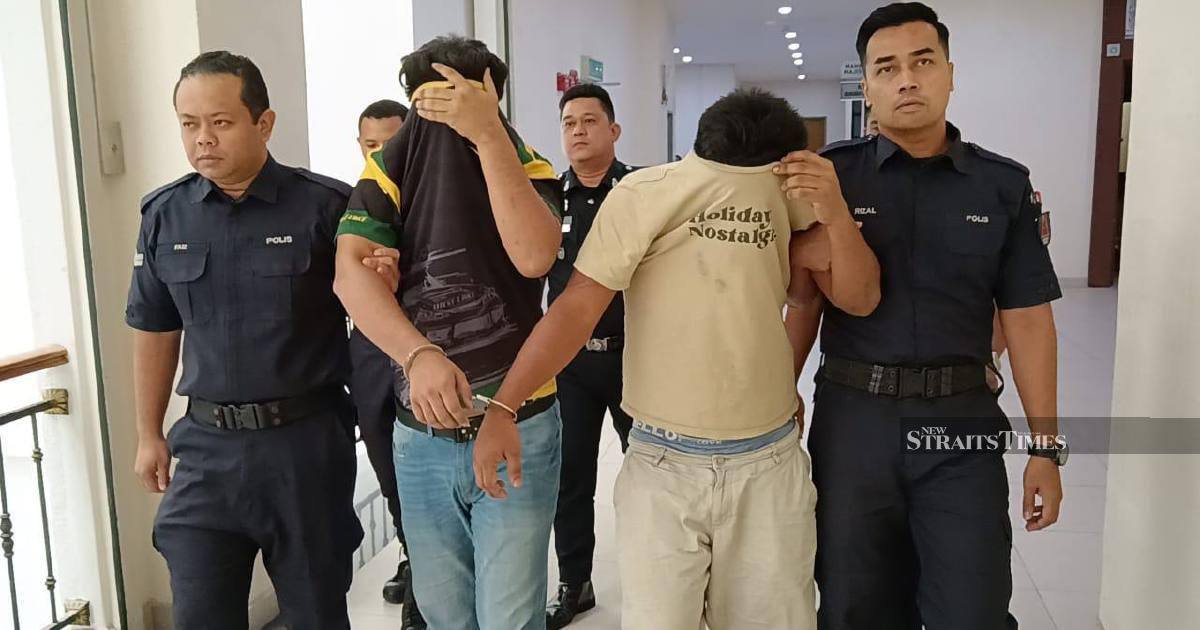
Two Rohingya men, both holders of UNHCR identification cards, appeared before the Magistrate's Court in Muar today facing charges related to a series of house break-ins that have troubled the district. The charges represent a significant development in a crime wave that has affected residential communities across the Johor locality, prompting renewed scrutiny of security vulnerabilities and the integration of refugee populations in Malaysia's urban centres.
The men were presented before judicial authorities with allegations stemming from multiple break-and-entry incidents within Muar's jurisdiction. The use of UNHCR documentation as an identifying factor in court proceedings underscores the complex relationship between refugee status, identity verification, and law enforcement operations in Malaysia. The United Nations High Commissioner for Refugees issues such cards to registered refugees and asylum seekers as proof of protection status, enabling access to humanitarian services and legal recognition within host countries.
Muar district has experienced heightened criminal activity in recent months, with residential properties becoming prime targets for theft. The concentration of break-ins in a defined geographical area had prompted police intensification efforts and community alert initiatives. The apprehension of the two individuals represents authorities' response to mounting public concern about home security and the safety of residents in affected neighbourhoods.
The appearance in court signals the transition from investigation to formal prosecution, where evidence gathered during police inquiries will be tested through judicial processes. Magistrate's courts in Malaysia handle preliminary examinations and less serious criminal matters, though charges of this nature can carry substantial penalties depending on the value of items stolen and circumstances of the crimes. The formal charging process allows the accused individuals opportunity to present their defence and challenge evidence presented by the prosecution.
For Malaysia's refugee communities, particularly Rohingya populations who have sought sanctuary from Myanmar's political upheaval and ethnic tensions, such incidents carry broader implications. The Rohingya crisis has displaced hundreds of thousands of people across Southeast Asia, with significant populations residing in Malaysia despite lacking formal legal status in many cases. Those holding UNHCR documentation occupy an ambiguous position, recognized by international bodies but without full citizenship rights or unrestricted employment opportunities within Malaysia.
The socioeconomic circumstances of refugee communities often intersect with crime statistics in ways that merit careful analysis. Limited legal employment options, restricted access to formal services, and marginal social integration can create vulnerability to criminal networks. The appearance of refugee-affiliated individuals in criminal proceedings frequently triggers public discourse about immigration policy, security frameworks, and resource allocation for refugee management across Malaysia's major urban centres.
Local authorities in Muar have intensified community policing efforts in response to the break-in series, including increased patrols in affected residential areas and collaboration with neighbourhood watch groups. The police have emphasized the importance of residents maintaining heightened vigilance and reporting suspicious activities, reflecting broader recognition that crime prevention requires coordinated efforts between enforcement agencies and civil society.
The charges come amid ongoing debate in Malaysia about resource allocation for managing refugee populations and integrating displaced persons into society constructively. While some civil society organizations advocate for expanded social programmes and employment pathways for refugees, others emphasize security concerns and capacity limitations for providing services to non-citizen populations. The judicial proceedings in Muar will likely contribute to this ongoing conversation about balancing humanitarian obligations with domestic security priorities.
For the Rohingya community in Malaysia more broadly, criminal cases involving community members can amplify negative stereotyping and prejudice. Advocacy groups have previously raised concerns about discrimination in law enforcement and judicial outcomes for vulnerable populations, though Malaysia's legal framework technically extends equal protection to all individuals within its jurisdiction regardless of immigration status.
The outcomes of these charges will be closely monitored by refugee support organizations, government agencies responsible for immigration and crime prevention, and residents of Muar concerned about neighbourhood safety. The judicial process will determine culpability and appropriate penalties while potentially illuminating systemic factors contributing to criminal activity within displaced communities.
Meanwhile, Muar residents continue implementing personal security measures including enhanced door locks, security systems, and community reporting mechanisms. The break-ins have sparked broader conversations about residential security standards and the effectiveness of current policing strategies in preventing property crimes.

