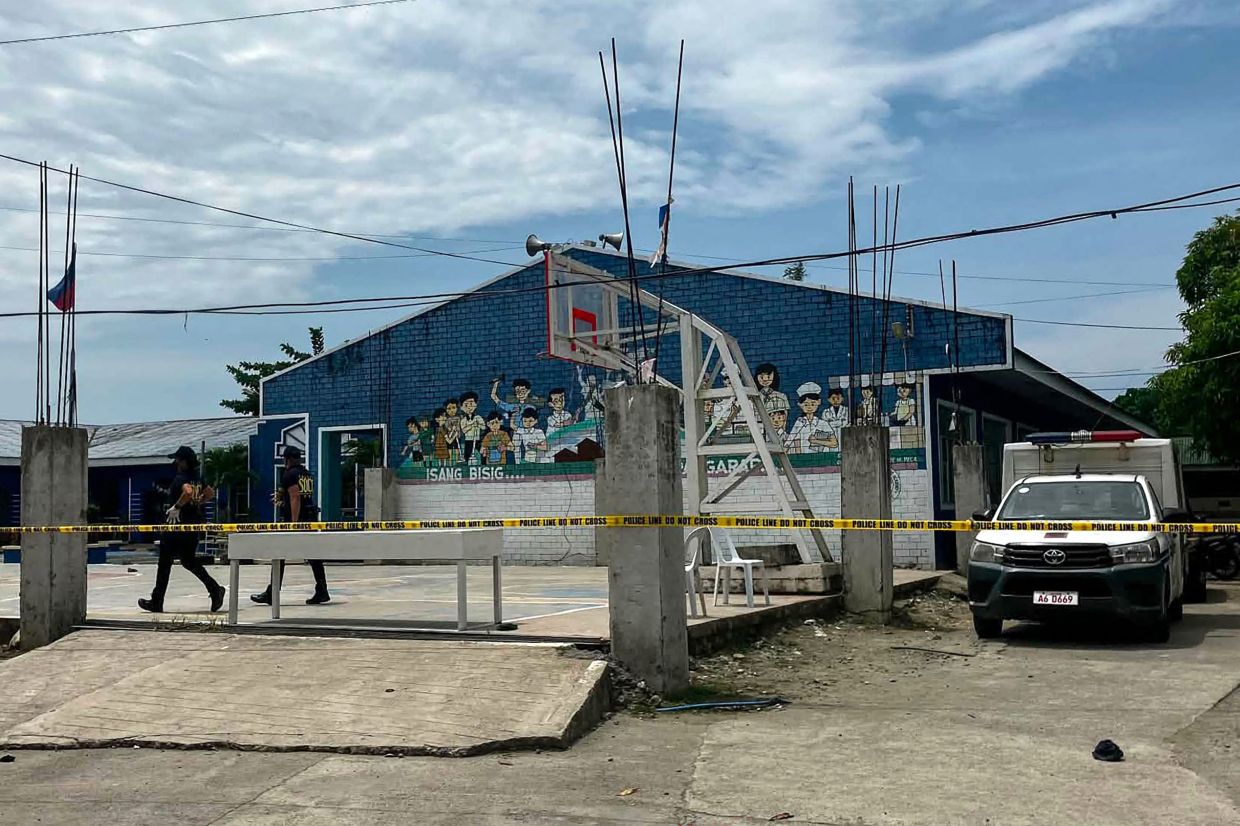
A quiet school day in Tacloban City turned into tragedy on Monday when two teenage students opened fire at San Jose National High School, leaving three peers dead and seven more wounded in what authorities are describing as a calculated assault. The two suspects, both middle schoolers, were swiftly apprehended as President Ferdinand Marcos Jr. ordered an immediate investigation and called for heightened security measures across all educational institutions and public spaces nationwide.
The shooting unfolded during mid-morning hours at the government-run facility, which serves over 1,500 students across multiple classrooms and facilities. Regional police chief Brig. Gen. Jason Capoy revealed that the two shooters, aged 14 and 15, were close friends who knew their victims and deliberately targeted fellow students. Unlike typical gun violence in the Philippines, this incident occurred within a school setting where such attacks remain uncommon despite the country's broader struggles with firearm-related crime.
Initial police interviews suggest that both suspects claimed they had suffered bullying within the school community, though authorities have not yet released detailed statements explaining the full scope of their grievances or how these disputes escalated to such lethal violence. The investigation into what prompted the shooting continues, with police examining whether the bullying narrative tells the complete story or if other factors contributed to the decision to arm themselves and carry out the attack.
What makes this incident particularly alarming is how easily the two teenagers obtained military-grade weapons and smuggled them onto campus. One suspect acquired a 9 mm pistol from his aunt, a serving police officer who is now under investigation for allowing the weapon to fall into the hands of a minor. The second suspect carried a calibre 38 revolver, whose origin authorities are still tracing. Despite both shooters arriving at school visibly armed, security protocols failed them—the high school relied on only a single guard positioned at the main entrance despite having multiple access points throughout the sprawling campus.
The sequence of events revealed chilling details about how the violence unfolded. The two shooters first opened fire in one classroom, forcing students to flee in panic. Rather than stopping after their initial attack, the suspects pursued fleeing students into a second room, indicating a deliberate intent to maximise casualties. Police recovered at least 40 shell casings scattered across the crime scene, underscoring the intensity and volume of gunfire unleashed during the rampage.
Social media videos captured the harrowing moments as students cowered under desks while gunshots echoed through hallways, with some young victims calling their mothers in desperation while trapped in locked classrooms. Other footage showed terrified students streaming out of the campus in disarray, clinging to one another as they fled the active shooter situation. The psychological trauma inflicted by these images extends beyond the immediate victims to an entire school population and their families.
The two suspects responded differently to their immediate circumstances. One remained on campus and was arrested by police without incident, while his accomplice fled the school grounds and hid inside a nearby residential property. His whereabouts were discovered when local residents alerted authorities to suspicious behaviour, allowing police to apprehend the second shooter. Both remain in custody pending the outcome of the ongoing investigation, though their legal paths diverge significantly given Philippine law.
Neither suspect has prior criminal records, a detail that complicates narratives about whether warning signs existed within the school system or police intelligence that might have prevented the tragedy. The younger of the two, aged 14, will be exempt from criminal prosecution under the Juvenile Justice and Welfare Act of 2006, which establishes 15 as the minimum age of criminal liability in the Philippines. Even the 15-year-old faces a lower threshold for culpability, as authorities must prove the suspect understood the gravity of the crime and its consequences. Both are expected to be transferred to government welfare officers rather than face traditional criminal proceedings.
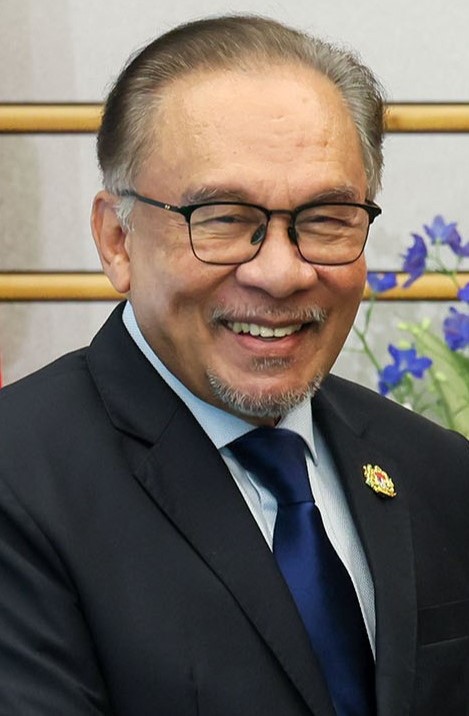
President Marcos Jr. expressed profound sadness over the incident and directed law enforcement to comprehensively review security protocols at schools, offices, and public gathering spaces throughout the nation. Communications Undersecretary Claire Castro emphasised the president's sympathy for grieving families and acknowledgement of the terror such incidents instil in communities. The presidential response signals recognition that this attack represents a broader security challenge extending beyond the immediate school.
The Philippines has long grappled with widespread gun violence fuelled by the circulation of unlicensed firearms throughout the country, yet organised school shootings remain statistically unusual occurrences. This distinction matters because it suggests the incident may reflect changing patterns in youth violence or emerging mental health crises among the student population. The 2022 shooting at a Manila-area university, in which a gunman killed three people including a former town mayor with whom he had a longstanding dispute, demonstrated that the nation is not immune to such incidents, though they still remain rare compared to international examples.
As investigators work to reconstruct the full circumstances surrounding Monday's attack, questions loom about how two teenagers gained access to functioning firearms, why security measures proved inadequate, and whether school staff or counsellors had identified concerning behaviour beforehand. The bullying claims require scrutiny to determine whether legitimate grievances existed or whether this explanation obscures deeper psychological issues or external influences that motivated the violence. The case will likely influence future policy discussions regarding firearm storage, youth mental health services, and school security infrastructure across the Southeast Asian nation.