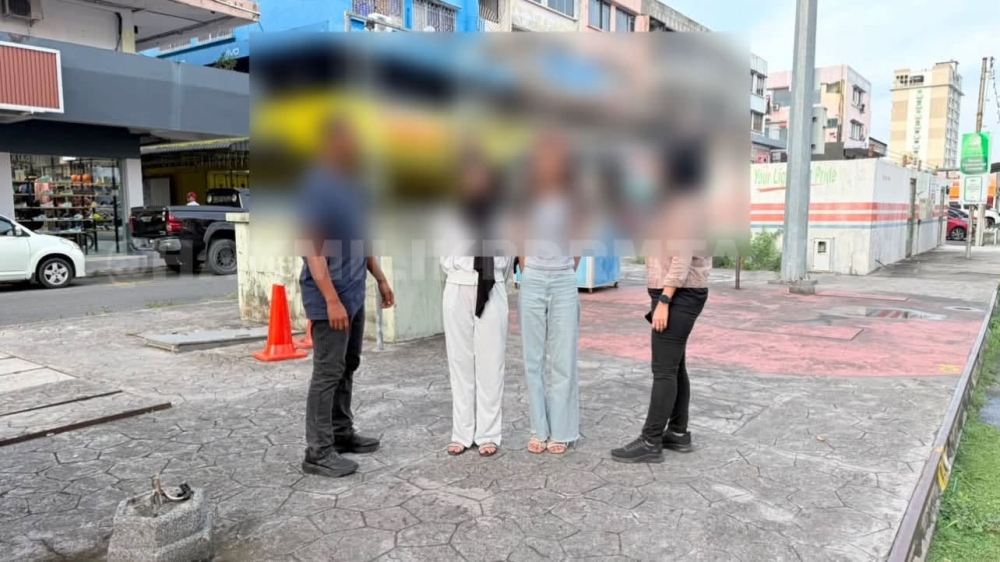
A routine evening at a Bandar Fajar restaurant in Tawau turned violent when two women became involved in a physical confrontation, prompting a police response and subsequent arrests on July 13. The incident has drawn attention to public conduct standards in commercial establishments across the town, highlighting the challenges authorities face in maintaining order in dining venues.
The two individuals were taken into custody following reports of the disturbance. While specific details surrounding the cause of the altercation remain limited, the quick police intervention underscores the town's commitment to addressing public disorder promptly. Law enforcement officials have initiated a comprehensive investigation to establish the sequence of events leading to the confrontation and determine the circumstances that escalated tensions between the parties involved.
Restaurant owners and managers across Tawau have expressed growing concern about maintaining safe dining environments for their patrons. Incidents of this nature, though not endemic, create anxiety among business operators who must balance operational considerations with ensuring visitor security. The Bandar Fajar establishment involved in this incident has become a focal point for discussions about crowd management and conflict de-escalation protocols in hospitality settings.
For Malaysian readers, particularly those familiar with Sabah's dynamics, such incidents reflect broader social concerns about civility in public spaces. Tawau, as a major commercial hub in the district, attracts diverse crowds daily, and the incident serves as a reminder of the potential for conflict in high-traffic social venues. The town's authorities have been working to address such issues through community engagement and strategic police presence in business districts.
The arrest of both women suggests that investigators determined both parties bore responsibility for the escalation, rather than one acting purely in self-defence. This approach reflects contemporary policing practice that recognises mutual engagement in public disturbances, though the specific charges filed against each woman have not yet been disclosed. The investigation may clarify whether outside factors or third-party involvement contributed to the situation.
Sabah police have indicated their intention to pursue the matter thoroughly, with statements suggesting that the women will face appropriate action according to applicable legislation. The exact nature of charges, whether they involve voluntarily causing hurt, rioting, or disorderly conduct, will depend on evidence gathered during the formal investigation phase. Local magistrates will ultimately determine the appropriate penalties if guilt is established.
The incident carries implications for Tawau's reputation as a safe destination for residents and visitors alike. Restaurant districts depend upon customer confidence in personal security, and high-profile incidents can influence dining patterns and business vitality. Community leaders have recognised this dynamic and are collaborating with law enforcement to prevent similar occurrences through awareness campaigns and cooperative security measures.
For Southeast Asian observers, the situation reflects common challenges faced by rapidly developing urban centres where population diversity and commercial pressures sometimes create friction. Tawau's response to this incident—swift police action followed by transparent investigation—demonstrates institutional responsiveness that regional counterparts often emulate. The balance between maintaining public order and respecting individual liberties remains a constant consideration for authorities across the region.
The timing of the incident, with no major festive occasions or triggering events reported, suggests the confrontation arose from personal or interpersonal disputes rather than systemic issues. This distinction is important for policymakers assessing whether broader interventions are necessary or whether standard criminal justice procedures will suffice to address the immediate situation and deter similar behaviour.
As investigations proceed, both the restaurant industry and local community remain attentive to outcomes. The case will likely influence discussions about establishment liability for patron conduct, security staffing standards, and the threshold at which management should involve authorities. These conversations extend beyond Tawau, potentially shaping best practices across Malaysian hospitality establishments.
Looking ahead, the conclusion of police inquiries and any subsequent legal proceedings will provide clarity regarding the incident's full context. Whether the matter represents an isolated altercation or reflects emerging social patterns in Tawau will become clearer as additional information emerges from official channels and community observations. For now, the incident serves as a focal point for conversations about maintaining civility and safety in shared public spaces.

