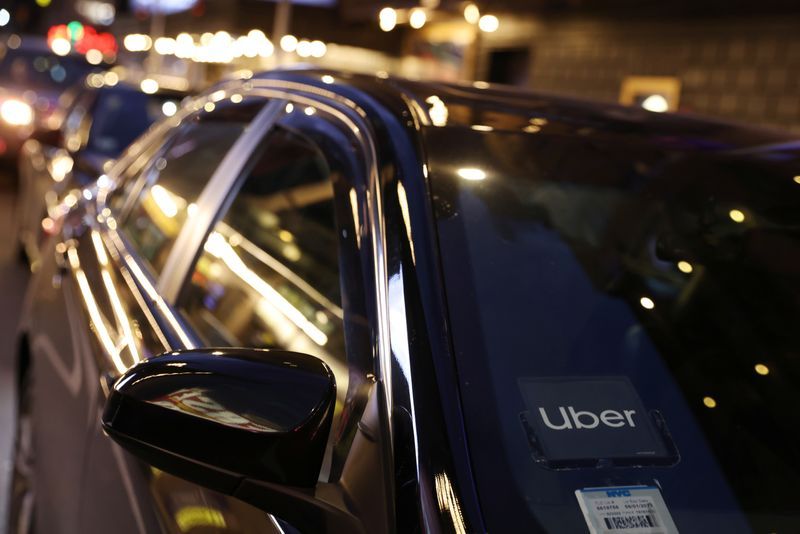
The ride-hailing giant Uber has become the target of a shareholder derivative lawsuit filed in San Francisco federal court, with investors accusing the company's board of directors of systematically overlooking compliance failures and safety breaches. The suit, initiated on Monday by shareholders including the Police and Fire Retirement System of the City of Detroit, argues that board members turned a blind eye to mounting internal and external warnings regarding the company's inadequate response to sexual misconduct allegations involving its driver workforce.
At the heart of the complaint lies an assertion that Uber operates as a "serial compliance offender" whose standing in the market has been substantially compromised by persistent negative publicity surrounding these failures. The shareholders contend that the board's inaction directly precipitated the accumulation of thousands of lawsuits filed by victims alleging sexual assault and harassment perpetrated by drivers connected to the platform. This pattern of allegations has created significant legal and reputational exposure for the company, raising questions about whether appropriate safeguards were ever meaningfully implemented to protect passengers.
The oversight failures identified by shareholders extend beyond driver conduct issues. The complaint specifically references litigation initiated last year by federal authorities, who levelled accusations that Uber systematically refused service to passengers with disabilities, including those relying on service animals or using stowable wheelchairs. Additionally, the government alleged the company engaged in deceptive billing practices and imposed unfair cancellation fees on customers. These regulatory actions underscore a broader pattern of conduct that shareholders argue reveals chronic deficiencies in the company's approach to legal and ethical obligations.
The scale of pending litigation surrounding sexual misconduct allegations is striking. As of June 1st, Uber faced a portfolio of 3,571 active lawsuits in coordinated proceedings before the San Francisco federal court, each alleging sexual misconduct by drivers. This staggering number serves as a quantifiable measure of both the scope of the underlying safety problem and the liability exposure facing the company. The sheer volume suggests systemic vulnerabilities in screening, monitoring, and response mechanisms that should have been tightened years earlier.
Internal sentiment regarding passenger safety appears equally damaging. According to information presented in the shareholder complaint, the board has been repeatedly informed that fewer than 40 percent of users express confidence that Uber takes passenger safety seriously. This metric is particularly concerning for a company in the transportation sector, where trust and safety perception are fundamental to customer acquisition and retention. The gap between the company's safety investments and public perception suggests either inadequate communications strategies or, more likely, genuine substantive shortcomings in protective measures.
Chief Executive Dara Khosrowshahi stands among those named as defendants in the suit. The shareholders acknowledge that during his nearly nine years leading the company, Khosrowshahi has demonstrated somewhat more restraint than his predecessor regarding aggressive regulatory positioning. However, the complaint contends that this moderated approach has not translated into meaningful improvements in compliance infrastructure or resource allocation toward safety protocols. Rather, the company allegedly continued to economise on compliance spending despite mounting evidence of systemic problems.
The derivative lawsuit mechanism deployed by shareholders aims to compel the board to compensate Uber itself for alleged breaches of fiduciary duty and violations of federal securities law. This approach differs from traditional class action litigation, as it seeks to recover damages on behalf of the company itself rather than individual shareholders. The legal theory essentially argues that the board failed in its fundamental duty to ensure the company operated within legal bounds and maintained appropriate internal controls.
Recent corporate actions by Uber suggest mounting frustration with regulatory constraints. Earlier this month, Uber joined competitor Lyft in pursuing legal action against New York City to challenge newly enacted regulations the companies contend would impede their ability to remove dangerous drivers from their platforms. This litigation strategy appears somewhat contradictory to the narrative presented by shareholders, who argue Uber has historically resisted meaningful safety interventions and compliance investments. The jurisdictional battle with New York authorities highlights the tension between platform economics and passenger protection mandates that increasingly define the ride-hailing industry.
Market performance metrics provide additional context for shareholder concern. Uber's share price has declined more than 25 percent since reaching a peak last September 22nd. While multiple factors influence stock valuations, the combination of regulatory exposure, litigation liability, and reputational damage stemming from the compliance failures outlined in the lawsuit likely contributed meaningfully to the decline. Investors are increasingly sensitive to governance risks and unmanaged liabilities in the corporate valuations they maintain.
For Malaysian and Southeast Asian readers following the ride-hailing sector, this lawsuit carries broader implications. As platforms including Uber expand operations across the region, the compliance infrastructure and safety governance standards established in more mature markets like the United States often serve as templates or cautionary tales. The documented failures in Uber's North American operations—from driver vetting to disability accommodation to billing transparency—represent precisely the governance gaps that emerging market regulators should scrutinise. Southeast Asian transport authorities may use this litigation and its revelations to strengthen their own oversight frameworks before similar problems accumulate within their jurisdictions.