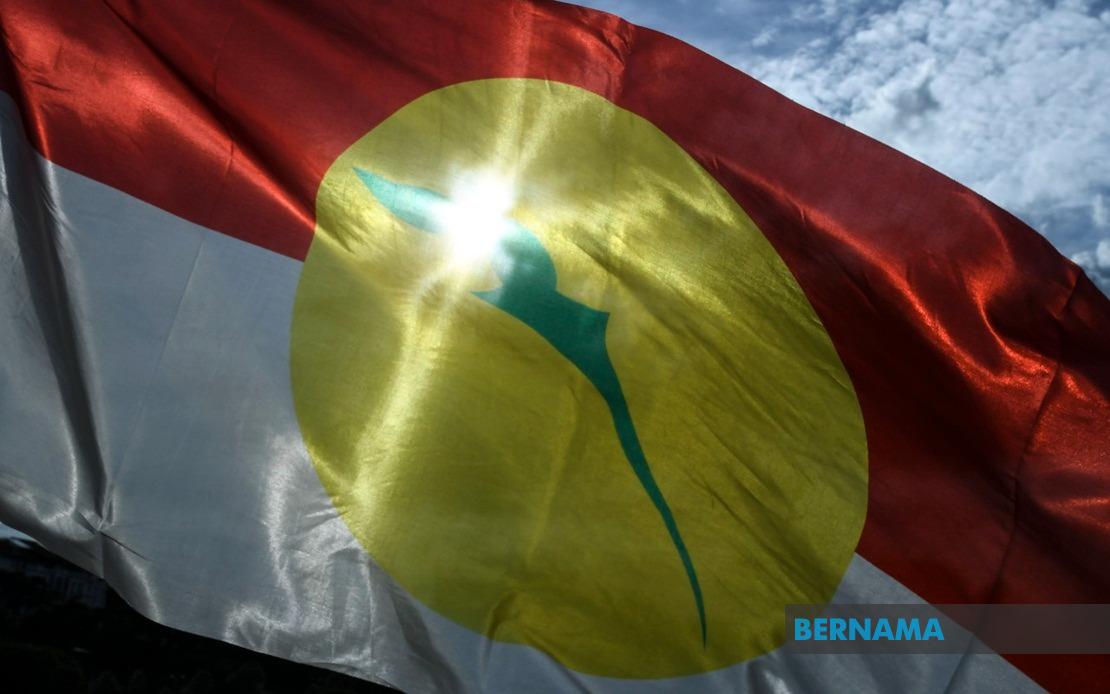
UMNO's information chief Datuk Seri Azalina Othman Said has made a direct appeal to party members to subordinate personal grievances to the collective interests of the party and the Malaysian public, following controversy surrounding the candidate selection process for the 16th Johor state election scheduled for July 11. Her remarks underscore mounting tensions within the party's Johor branch after several nominations were finalised, triggering visible dissent from senior figures who had hoped for different outcomes.
In her statement issued from Johor Bahru on June 25, Azalina acknowledged that the selection of candidates invariably generates disappointment within any major political organisation, yet she framed the true test of party discipline as the willingness of members to absorb such setbacks and maintain unity when their preferred candidates fail to secure nomination. She argued that the party's internal processes, while imperfect, represent the collective will of the organisation and therefore command the respect and obedience of all members once formally announced. This messaging reflects UMNO's struggle to manage factionalism that has periodically threatened its electoral dominance in the state.
The party's information chief articulated a particular concern about public perception, suggesting that voters are evaluating not merely the promises made by UMNO but the manner in which the party conducts itself under organisational stress. This observation carries weight in Malaysian political culture, where party cohesion during difficult moments is often interpreted as a barometer of governance capability. Azalina's framing positions candidate selection disputes as tests of leadership credibility that extend beyond internal party management into the broader electoral arena where UMNO competes against rivals such as Pakatan Harapan and Perikatan Nasional.
Azalina's remarks appeared designed partly to address the resignation of UMNO Supreme Council member Datuk Dr Mohd Puad Zarkashi, who announced his immediate departure from the party to pursue his views independently. According to UMNO secretary-general Datuk Dr Asyraf Wajdi Dusuki, Mohd Puad's decision stemmed from frustration following the non-selection of his son as a candidate for the Rengit state seat. This explanation underscores a persistent challenge within Malaysian political parties, where family interests and kinship networks intersect with formal nomination processes, occasionally creating perception of unfairness or nepotism even when decisions follow established procedures.
The secretary-general's public articulation of Mohd Puad's grievance served a dual purpose: it explained the resignation transparently while simultaneously delegitimising Mohd Puad's position by attributing his departure to personal rather than principled reasons. This rhetorical strategy is common in Malaysian politics, where framing dissent as driven by individual disappointment rather than ideological difference or procedural objections can diminish the impact of internal criticism. For party leadership, characterising departures this way helps maintain the narrative that the organisation remains fundamentally united on matters of substance.
Azalina's remarks also included significant praise for Johor UMNO Liaison Committee chairman Datuk Onn Hafiz Ghazi and his selection committee, commending their handling of a difficult process with what she described as calm, discipline, and political courage. This endorsement serves to legitimise the candidate list and lend authority to the nomination process. In the Malaysian context, where state-level party structures sometimes operate with considerable autonomy from federal headquarters, Azalina's public support for Onn Hafiz's leadership effectively signals federal-level backing for the chosen slate, potentially dampening further internal challenges.
The information chief made the observation that UMNO has never faced a shortage of potential leaders, as the party maintains an extensive pipeline of grassroots figures, emerging talent, and new faces awaiting their turn to contest elections. This statement appears calculated to reassure disappointed members that non-selection in this electoral cycle does not represent permanent exclusion from future opportunities. However, this messaging may ring hollow for older members or those with substantial track records who view candidate selection as their final realistic opportunity to secure elected office, particularly in a state where UMNO faces stiffer competitive pressure than in previous decades.
The Election Commission's announcement that nominations would close on June 27, with polling scheduled for July 11, compresses the timeframe available for resolving internal party tensions. This compressed calendar means UMNO has limited opportunity to repair relationships with dissatisfied members before the campaign enters its most intensive phase. In Johor, where UMNO has traditionally maintained strong support among Malay-Muslim voters despite occasional electoral setbacks, any persistent internal division risks depressing voter turnout among the party's core constituencies or prompting tactical voting by frustrated supporters.
The Johor election assumes particular significance within Malaysia's broader political landscape. The state has served as a political barometer for national trends, and the 16th state assembly election will provide early indication of voter sentiment following the relatively recent shift in federal political alignments. For UMNO specifically, Johor represents essential electoral territory; the party cannot afford major losses in a state where it has governed continuously or nearly continuously since independence. Any erosion of party unity before election day therefore carries implications extending well beyond Johor's borders to influence calculations about federal-level stability.
Azalina's appeal to party discipline and unity, while standard in such circumstances, occurs against a backdrop of UMNO's broader institutional challenges. The party has struggled since 2018 with questions about its leadership, its relationship with coalition partners, and its ability to attract younger voters. Each internal dispute over candidate selection potentially widens existing fissures and provides ammunition to rival parties seeking to portray UMNO as factionally divided and incapable of effective governance. This dynamic means that even candidates who were successfully nominated will face a campaign environment complicated by perceptions of internal discord.
The resignation of Mohd Puad, a council-level figure, signals that disappointment extends beyond grassroots members to the party's established elite. When senior politicians choose to exit the party rather than accept internal decisions, it suggests that the legitimacy of the selection process may be questioned by segments of the party apparatus itself. Whether Azalina's message succeeds in containing further departures or defusing dissatisfaction will become clear during the campaign period and ultimately at the ballot box. The coming weeks will test whether UMNO's traditional mechanisms for enforcing party discipline remain adequate to manage contemporary factional tensions.

