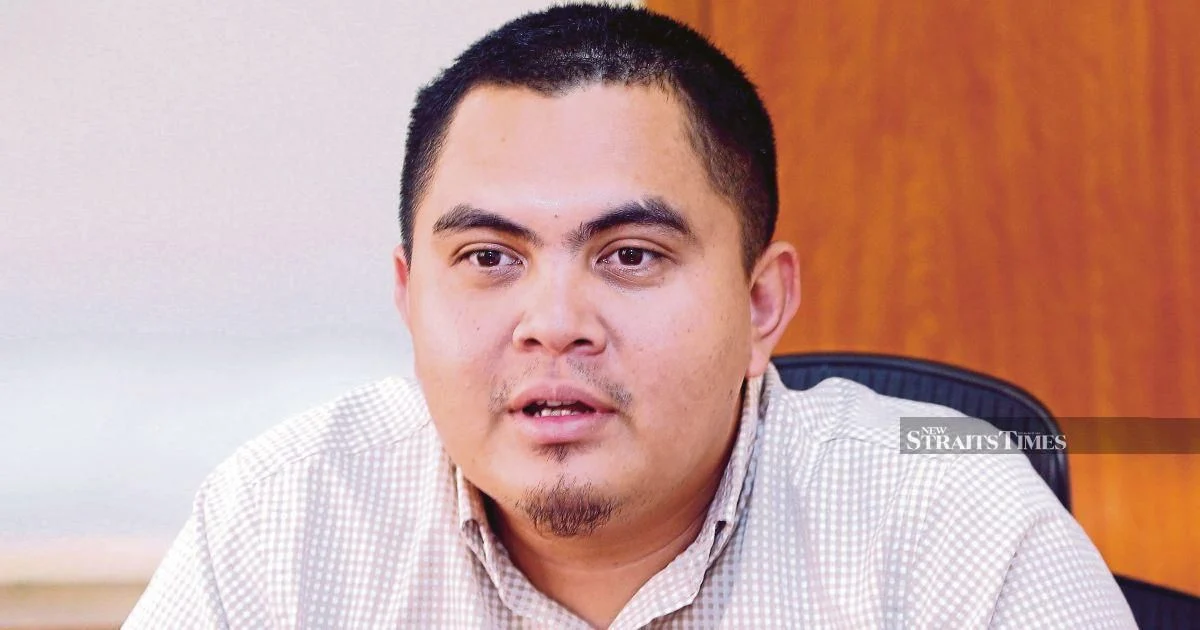
Umno's youth wing leadership has moved to counter perceptions that Malaysia's largest Malay-Muslim party operates as a family-oriented political machine, with Umno Youth chief Datuk Dr Muhamad Akmal Saleh issuing a direct rebuttal to such claims in Johor Baru. The assertion came amid growing scrutiny of how the party selects candidates for electoral contests, a process that has drawn considerable public attention given Malaysia's high-profile political dynasties and their prominence within various parties.
Akmal's intervention signals an effort by Umno to address a long-standing criticism that has dogged the party since the Mahathir era and intensified following the return to government in 2021. The perception that party tickets disproportionately benefit the offspring and relatives of sitting politicians remains a sensitive political topic in Malaysia, where anti-corruption sentiment runs high among voters and civil society observers. By having the youth wing leader speak on the matter, Umno appears intent on signalling that merit considerations feature prominently in how the party manages candidate nominations.
The timing of Akmal's statement is particularly significant given ongoing factional tensions within Umno, where disputes over resource allocation, candidate selection authority, and factional representation have periodically flared into public view. These internal dynamics directly influence how candidacies are awarded, with various party wings and influential members competing for the right to determine who stands for election in contested constituencies. The youth wing's assertion of meritocratic principles represents an implicit challenge to alternative selection mechanisms that might privilege connections or lineage.
For Malaysian voters increasingly conscious of governance standards and leadership legitimacy, questions about how political parties select their representatives carry substantial weight. The public discourse around family politics touches on broader concerns about whether political structures genuinely reflect democratic principles or merely perpetuate hereditary advantage. Umno's explicit rejection of such practices, whether substantive or rhetorical, represents a calculated response to voter sentiment that extends across socioeconomic and demographic categories.
The party's clarification also matters within the context of regional political competition. As Umno competes for voter support against Perikatan Nasional and other opposition coalitions, perceptions of internal fairness and meritocratic governance can influence electoral outcomes. Parties that successfully brand themselves as modern, transparent institutions may capture votes from constituencies sceptical of traditional patronage networks. Conversely, persistent allegations of nepotism can erode support among younger voters and urban populations where such sentiment runs particularly strong.
Historically, Umno has faced recurring allegations that senior leaders, including former Prime Ministers, have stewarded their children and relatives into prominent party and government positions. These concerns gained particular prominence during recent leadership transitions and cabinet reshuffles, where the elevation of relatives of influential figures prompted media commentary and social media scrutiny. The persistence of these discussions suggests that public perception has not shifted substantially despite party denials.
Akmal's statement appears designed to recalibrate Umno's public messaging on governance matters as the party navigates a complex post-election period. With the next general election potentially years away, the party has opportunity to emphasize procedural changes and transparency measures that could substantiate claims of merit-based selection. However, translating such commitments into observable practice will prove crucial for credibility, particularly given historical patterns that observers cite when questioning the authenticity of party assurances.
The relationship between political parties and family networks in Malaysia reflects deeper questions about institutional maturity and democratic consolidation. While family involvement in politics occurs across the political spectrum, the degree to which it constitutes a formal organizing principle versus informal influence remains disputed. Umno's insistence that it rejects family politics as a governing principle marks a rhetorical stance, though substantiation would require demonstrable changes in selection procedures and outcomes.
Within Southeast Asia more broadly, questions about political dynasties and family involvement in parties resonate across borders. Thailand, the Philippines, and Indonesia all grapple with comparable concerns, suggesting that the challenge of institutionalizing merit-based selection while managing family political participation remains significant across the region. Umno's public positioning on this issue therefore carries implications that extend beyond Malaysia's borders, contributing to broader regional conversations about governance standards and democratic practice.
Moving forward, observers will likely scrutinize Umno's candidate selection processes in forthcoming elections as a test of whether Akmal's assertions translate into tangible outcomes. The credibility of the party's commitment to merit-based selection will shape both internal party dynamics and external public perception. Whether through clearer nomination criteria, greater transparency in selection procedures, or documented decisions that prioritize non-family candidates, the party will face pressure to substantiate its claims through observable practice rather than statement alone.

