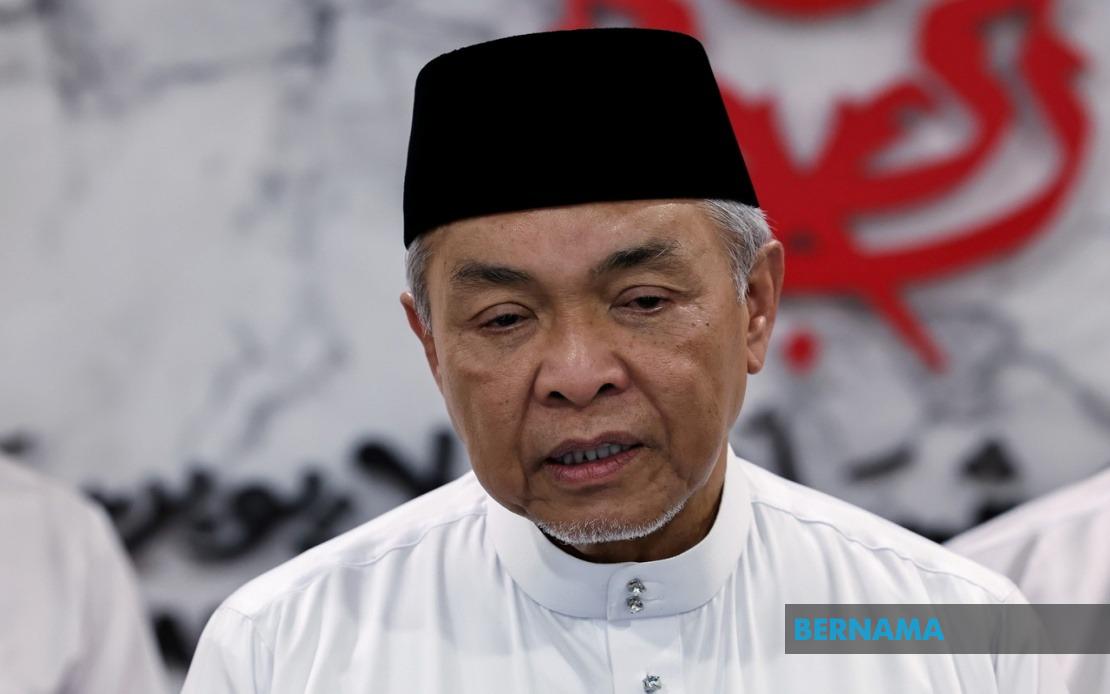
UMNO has signalled its intention to enter formal negotiations regarding coalition arrangements for the upcoming Melaka state election, though such discussions will only commence after the state legislative assembly is formally dissolved. Party president Datuk Seri Dr Ahmad Zahid Hamidi, who also holds the position of Deputy Prime Minister, made the announcement on Friday, clarifying the timeline and procedural approach his party intends to follow in addressing potential partnerships with other political entities contending in the Melaka polls.
The responsibility for steering these negotiations has been delegated to Melaka Chief Minister Datuk Seri Ab Rauf Yusoh, who will be tasked with engaging with prospective coalition partners once the constitutional dissolution process is completed. Ahmad Zahid characterised the current phase as one involving informal exploratory discussions, emphasising that only after the official dissolution of the assembly will UMNO transition to substantive, formal negotiating processes with interested parties.
While the party remains open to collaboration possibilities, Ahmad Zahid's statement underscores UMNO's adherence to established procedural conventions surrounding state elections in Malaysia. The distinction he drew between informal and formal discussions suggests that UMNO is managing expectations and maintaining disciplined communication channels during what remains a sensitive pre-election period. This measured approach reflects broader considerations about electoral timing and the necessity of maintaining internal party cohesion during coalition deliberations.
The question of potential cooperation with Perikatan Nasional has emerged as a significant focal point in preliminary political discussions surrounding the Melaka contest. PN, as a major coalition entity at the national level, represents a natural consideration for UMNO strategists evaluating optimal electoral configurations. Ahmad Zahid's non-committal stance on this possibility indicates that UMNO is preserving strategic flexibility and avoiding premature commitments that might constrain negotiating leverage once formal talks commence.
Ahead of formal negotiations, UMNO has undertaken substantial internal groundwork to position itself competitively for the Melaka election. Ahmad Zahid revealed that he has engaged comprehensively with the entire UMNO Melaka Political Bureau, reviewing detailed preparations and electoral assessments compiled through the party's campaign infrastructure. This consultative process demonstrates UMNO's methodical approach to state-level contests, moving beyond centralised decision-making to incorporate regional political perspectives.
Furthermore, the intelligence gathered through UMNO Melaka's war room—likely encompassing voter sentiment analysis, demographic trends, and constituency-level assessments—has been elevated to the UMNO Supreme Council for thorough examination and discussion. This escalation to the highest party decision-making body indicates the strategic significance attributed to the Melaka election within UMNO's broader political calculations. The MKT's detailed review of data collected at grassroots level provides senior leadership with comprehensive situational awareness necessary for informed coalition negotiations.
For Malaysian political observers, UMNO's procedural discipline carries implications beyond Melaka. The party's insistence on conducting formal negotiations only post-dissolution reflects lessons learned from previous electoral cycles and evolving norms around transparency in coalition-building. This approach may establish a template that other parties adopt, potentially influencing how future state elections in Malaysia are negotiated at the inter-party level.
The timing of potential PN cooperation assumes particular relevance given the dynamic nature of Malaysia's political landscape. Both UMNO and PN operate within competing national frameworks whilst simultaneously confronting the reality that state-level electoral outcomes can reshape power distributions and influence federal-level alignments. Melaka, as a strategically significant state both economically and demographically, represents precisely the type of electoral contest where coalition mathematics acquire outsized importance.
From a regional Southeast Asian perspective, the Melaka election underscores how major Malaysian political parties continue navigating complex coalition arrangements in response to fractionalised voter preferences and competitive pressure from multiple political formations. UMNO's deliberate phasing of negotiations—informal discussions now, formal engagement later—reflects sophisticated political management designed to maximise leverage whilst minimising internal discord. This measured cadence permits party leadership to calibrate responses based on assembly dissolution timing and emerging political developments.
The role designated for Chief Minister Ab Rauf Yusoh in leading negotiations also merits consideration. As a sitting state executive, his negotiating position carries inherent advantages through direct administrative authority and demonstrated electoral credibility in Melaka. This designation suggests UMNO views Ab Rauf as positioned advantageously to articulate the party's interests whilst maintaining relationships necessary for post-election governance regardless of coalition outcomes.
Looking forward, the formal negotiation period following assembly dissolution will prove decisive in determining Melaka's political trajectory. Coalition configurations ultimately agreed upon will reflect not merely electoral calculations but also deeper assessments regarding long-term political sustainability and governance viability. UMNO's insistence on conducting these discussions through established party structures and designated representatives indicates commitment to maintaining institutional coherence throughout potentially contentious negotiation phases.
The disciplined approach outlined by Ahmad Zahid and UMNO leadership demonstrates recognition that hasty or poorly managed coalition discussions carry risks extending beyond immediate electoral outcomes. State-level cooperation arrangements, once implemented, establish precedents influencing intra-party relations and potentially reverberating through subsequent electoral cycles. UMNO's methodical progression from internal preparation through informal discussions toward formal negotiations reflects institutional maturity and political prudence.

