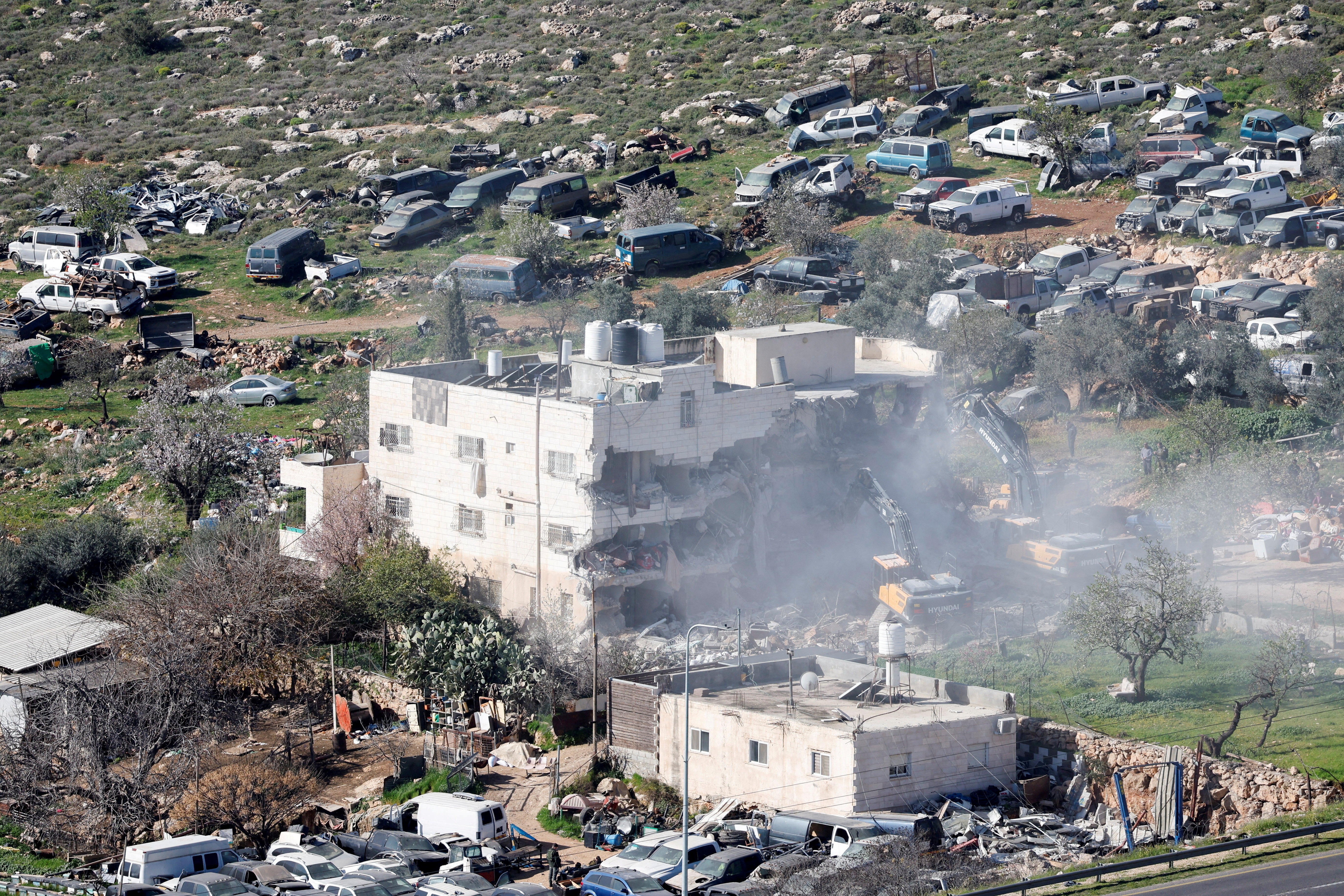
The United Nations has escalated its criticism of Israeli settlement expansion in the occupied West Bank, with Secretary-General Antonio Guterres publicly expressing alarm over the establishment of new unlawful outposts in the contested territory. Through his spokesperson Stephane Dujarric, Guterres called on the Israeli government to immediately cease further settlement activities and comply with international legal obligations, marking a notably firm stance from the UN leadership on a deeply contentious issue.
The focal point of international concern centres on developments related to the E1 settlement zone, a strategically significant area whose expansion would create a physical barrier separating the northern and southern sections of the West Bank. This geographic division carries profound political implications, as it would effectively fragment Palestinian territorial continuity and severely undermine the viability of establishing a contiguous Palestinian state. The UN's assessment frames this not merely as a disputed development but as a fundamental threat to the geographic prerequisites for Palestinian statehood.
Guterres emphasised that the proposed E1 expansion would have severe consequences extending beyond immediate territorial concerns. By severing the connection between northern and southern regions, such development would compromise the territorial integrity of Palestinian lands and create an existential challenge to the long-standing international consensus around a two-state solution. The UN chief's language deliberately invoked the concept of an "existential threat," elevating the issue from routine settlement disputes to a matter affecting the fundamental viability of peace frameworks that have underpinned international diplomacy for decades.
The UN Secretary-General grounded his position in recent international legal developments, specifically referencing the International Court of Justice advisory opinion delivered on July 19, 2024. This significant ruling by the world's highest judicial authority provided unprecedented clarity on the legal status of Israeli presence in occupied Palestinian territories, fundamentally altering the terrain of international legal argument on this question. The court's findings supplied Guterres with authoritative legal backing for his calls to the Israeli government, moving the dispute beyond political rhetoric into the realm of established international law.
The ICJ's advisory opinion, which carries substantial moral and political weight despite not being technically binding, determined that Israel's continued presence in the occupied Palestinian territory constituted a violation of international law. The court went further in prescribing specific remedial actions that it deemed legally required, including the immediate cessation of all new settlement construction, the evacuation of existing settlers from occupied lands, and the provision of reparations for damages resulting from settlement activities. These rulings represented a comprehensive legal rejection of the settlement enterprise itself, not merely particular expansion projects.
Guterres accordingly called upon Israel to align its conduct with relevant United Nations resolutions and to implement the ICJ's advisory opinion in its entirety. This framing positioned UN resolutions and international court rulings as the normative framework within which Israeli policy should be evaluated, implicitly suggesting that current settlement practices fall outside internationally accepted legal boundaries. The UN chief's invocation of both standing resolutions and recent judicial findings created multiple layers of legal authority supporting his position.
For Malaysian policymakers and observers, these developments warrant attention as they reflect ongoing international concern regarding adherence to international law in territorial disputes. The broader pattern of UN criticism combined with ICJ rulings demonstrates how the international legal system responds to challenges regarding occupation and settlement of disputed territories. Malaysia, as a nation with experience in territorial questions and as a vocal advocate for Palestinian rights within international forums, sees these developments as reinforcement of legal principles that extend beyond the Israeli-Palestinian context.
The timing of these statements coincides with a period of heightened tensions in the region and reflects accumulated frustration within the international community regarding the expansion of Israeli settlements. The UN's decision to issue such pointed criticism suggests that diplomatic channels have yielded insufficient results and that the international organisation felt compelled to resort to public pressure. This escalation in rhetorical intensity indicates that standard diplomatic engagement has not produced the desired policy changes.
The E1 settlement issue specifically has proven persistently contentious across multiple administrations and international negotiations. Its strategic location and potential to physically divide Palestinian territories have made it a symbolic flashpoint in discussions about the viability of Palestinian statehood. International concern about E1 expansion transcends left-right political divisions and reflects genuine anxiety among diverse international actors about settlement patterns that could render two-state solutions geometrically impossible.
The convergence of UN pressure and ICJ legal findings presents Israel with a significant diplomatic challenge, as both moral suasion and legal authority are being deployed simultaneously. However, the historical pattern of settlement expansion suggests that international criticism and legal rulings have not substantially altered Israeli government policy decisions regarding settlements. This gap between international legal authority and actual policy implementation remains a central problematic feature of the Israeli-Palestinian dispute.
For Southeast Asian states and other regions grappling with territorial questions, the persistence of settlement expansion despite international legal rulings raises important questions about the enforceability of international law in the absence of enforcement mechanisms. The case demonstrates both the capacity of international institutions to articulate clear legal positions and their limitations in compelling compliance when powerful actors choose not to conform to international legal standards.
Looking forward, the question becomes whether the combination of UN leadership pressure and authoritative ICJ rulings will produce any meaningful policy adjustments. The international community appears committed to sustaining diplomatic and legal pressure on this issue, even as the practical prospects for reversing existing settlements or preventing further expansion remain uncertain. This dynamic will continue to occupy space in international forums and human rights discussions for the foreseeable future.

