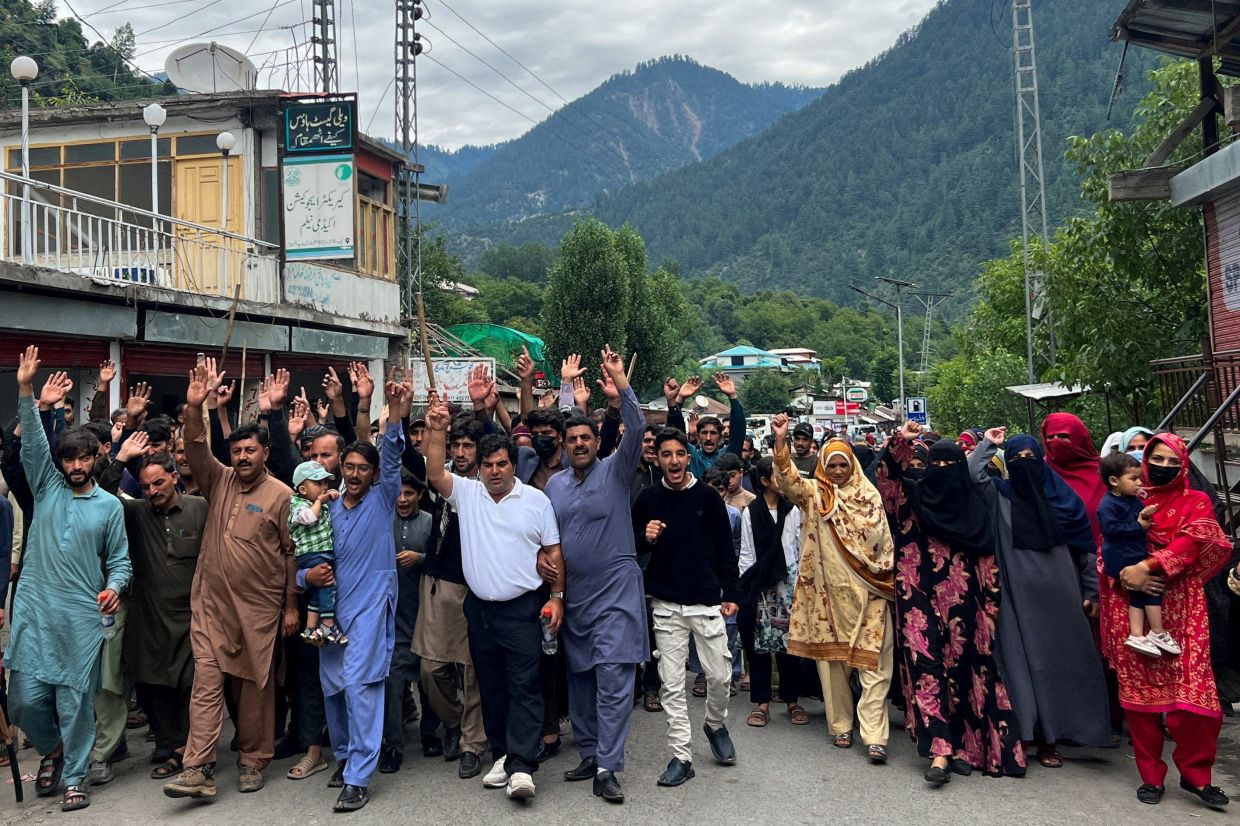
The United Nations has stepped into escalating tensions in Pakistani-administered Kashmir by demanding impartial inquiries into a reported surge in deaths coinciding with the lead-up to legislative assembly elections scheduled for July 27. Speaking in Geneva on Friday, UN High Commissioner for Human Rights Volker Turk made the appeal through his spokesman Jeremy Laurence, emphasizing the need for calm amid a wave of violent confrontations that have claimed dozens of lives since June. The intervention reflects growing international concern over the humanitarian toll of unrest in this strategically crucial Himalayan territory, where religious and political sensitivities run particularly high.
The casualties reported during the recent violence include both civilians participating in demonstrations and members of the security establishment, though precise figures remain disputed. The UN Human Rights Office has specifically urged Pakistan's authorities to conduct investigations that are prompt, thorough, and free from political influence—a standard requirement in international human rights framework that gains added significance given the contested nature of the region and the approaching electoral contest. Such investigations would need to examine not only the immediate causes of individual deaths but also the broader context of law enforcement responses to civil unrest.
At the heart of the recent upheaval stands the Joint Awami Action Committee (JAAC), a grassroots movement articulating demands for economic reforms and improved governance in the region. The organization mobilized citizens around legitimate grievances concerning local development and administrative accountability, drawing substantial popular participation. However, Pakistani authorities designated JAAC as a banned entity under anti-terrorism legislation last month, a move that the UN considers potentially excessive and concerning for its implications on civic freedoms.
The designation of JAAC under counter-terrorism laws represents a controversial securitization of what the UN characterizes as legitimate civil society activism. The Human Rights Office expressed alarm that criminalizing an organization engaged in advocacy work, coupled with restrictions on public gatherings, creates a restrictive environment that undermines fundamental rights to freedom of expression, peaceful assembly, and association. These concerns carry particular weight in a region where such freedoms have historically faced constraints.
Arrest campaigns targeting JAAC's leadership have compounded these tensions, prompting the UN to call for strict adherence to due process protections. The organization emphasized that detained leaders must have meaningful access to legal counsel and family members, and that trials—if pursued—must meet internationally recognized standards of fairness. Such safeguards become especially critical when security-related charges are involved, as they create potential for political motivations to influence judicial processes.
The internet shutdowns imposed across Pakistani-administered Kashmir have drawn separate but equally strong condemnation from the UN human rights apparatus. Digital connectivity restrictions, while sometimes justified on security grounds, disproportionately impair citizens' ability to access information, communicate with family members, and document events during periods of heightened tension. The UN position holds that such measures become particularly problematic when unrest is occurring, as they eliminate crucial channels for independent reporting and peaceful coordination among affected populations.
The historical context of Kashmir adds layers of complexity to current events. The territory remains disputed between India and Pakistan following their partition from British colonial rule decades ago, with both nations claiming full sovereignty while exercising administrative control over divided portions. This unresolved territorial question means that developments in the region carry implications extending well beyond local governance, attracting scrutiny from neighboring India and international powers concerned with regional stability.
For Pakistan's military and civilian administration, Kashmir holds exceptional strategic importance tied to defense considerations and the ongoing rivalry with India. This security-centric framework has shaped governance approaches and can create tension with civilian rights protection. Recent years have witnessed periodic cycles of protest and crackdown, including violent clashes in September last year that resulted in nine confirmed deaths before relative calm returned.
The UN's call for substantive political dialogue between authorities and local stakeholders addresses what international analysis increasingly identifies as the core issue: addressing underlying grievances through inclusive governance mechanisms rather than security-focused responses alone. Such dialogue would ideally encompass economic development priorities, administrative transparency, and mechanisms for local participation in decision-making—issues that motivated JAAC mobilization in the first place.
For Southeast Asian observers, the Kashmir situation illustrates broader regional patterns where security imperatives can tension with democratic freedoms, and where territorial disputes complicate governance and human rights protection. Malaysia's own experience with managing communal tensions and balancing security with civil liberties offers cautionary perspective on the risks of over-securitization. The international community's role in advocating for human rights standards becomes particularly important in territories where geopolitical factors might otherwise limit domestic accountability mechanisms.
The timing of the UN intervention—between the June onset of violence and the July 27 electoral date—suggests intention to influence the political environment toward greater restraint. Should elections proceed amid restrictions on opposition mobilization and internet access, their legitimacy could face international questioning. The UN's emphasis on meaningful dialogue represents an implicit acknowledgment that electoral processes lacking genuine inclusion cannot resolve underlying tensions or produce durable stability.

