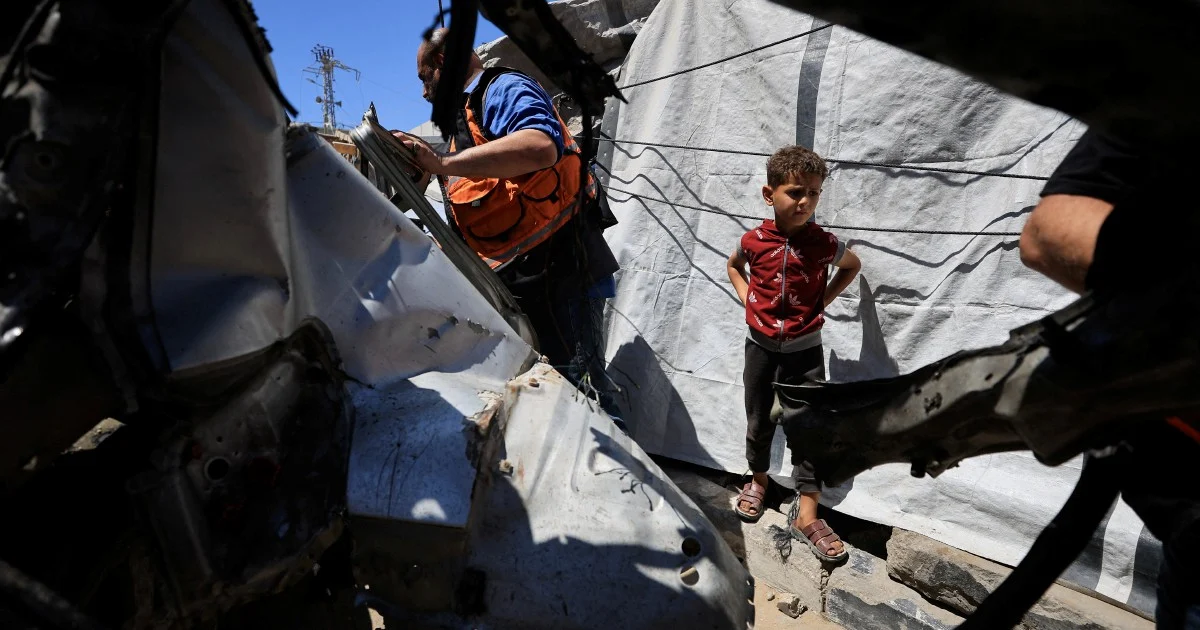
United Nations investigators released a damning report on Tuesday alleging that Israel is systematically and deliberately targeting Palestinian children in Gaza, with this targeting pattern serving as a significant element within what they characterise as an ongoing genocide. The findings represent one of the most serious accusations levelled against Israeli military operations during the conflict and have drawn swift rejection from the Israeli government.
The investigation, conducted by UN-appointed experts, examined patterns of violence and civilian casualties throughout the Gaza conflict. The investigators concluded that the deliberate targeting of Palestinian children—including attacks on residential areas, schools, and hospitals where children congregate—constitutes evidence of genocidal intent. This conclusion carries substantial weight within international law frameworks, where demonstrating intent to destroy a protected group is crucial for genocide determinations.
For Malaysian readers and the broader Southeast Asian region, this UN assessment carries implications for understanding how international mechanisms respond to allegations of mass atrocities. The investigation highlights ongoing debates about the application of genocide conventions and the role of international bodies in documenting potential violations. These proceedings influence how regional nations approach similar humanitarian crises and set precedents for future international accountability efforts.
The report details specific incidents where civilian infrastructure known to house children was struck, raising questions about targeting methodologies and the distinction between military necessity and civilian protection. UN investigators examined hospital records, mortality data, and eyewitness accounts to establish patterns rather than isolated incidents. The cumulative evidence presented suggests a consistent approach rather than random or accidental targeting, which formed the basis of their deliberate targeting characterisation.
The Israeli government responded sharply to the findings, dismissing the investigation's conclusions as biased and flawed. Officials argued that any Palestinian civilian casualties resulted from military operations against legitimate military targets in densely populated areas, and that Israeli forces implement precautions to minimise civilian harm. This fundamental disagreement over intent and methodology represents the core dispute in ongoing international assessments of the conflict.
International law experts note that establishing deliberate targeting of a civilian population group requires demonstrating both the actions themselves and the intent behind them. The UN investigators argued that the frequency and pattern of child casualties, combined with available targeting information, supports a conclusion of deliberate targeting. Critics of the investigation counter that civilian casualties, however tragic, do not automatically indicate deliberate targeting if they result from operations against legitimate military objectives.
The genocide accusation rests on showing that actions are taken with the specific intent to destroy, in whole or in part, a national, ethnic, racial, or religious group. UN investigators contended that the scale of Palestinian child deaths, combined with statements and operational patterns, establishes the required intent. This legal threshold remains contested, with substantial disagreement between the investigators and Israeli authorities about what evidence demonstrates such intent.
For Southeast Asian nations, particularly those with significant Palestinian diaspora communities or those engaged in international humanitarian work, this UN report becomes relevant to domestic political discourse. Malaysia and other regional countries have frequently supported Palestinian causes at the United Nations, and this investigation provides documented findings that inform their positions on international accountability mechanisms.
The investigation's methodology involved consulting multiple sources, including medical records from Gaza healthcare facilities, demographic data on casualties, and testimonies from witnesses and survivors. Investigators cross-referenced military communications and operational records where available to assess decision-making processes. This multi-source approach aimed to establish patterns beyond individual incidents, though access limitations in conflict zones constrain verification possibilities.
The dispute over this investigation reflects broader tensions regarding international accountability in asymmetric conflicts. Developing nations, particularly in the Global South including Southeast Asia, often view such investigations through the lens of power imbalances in international law application. They question whether similar scrutiny applies equally to all parties in conflicts and whether international mechanisms adequately address structural inequalities that shape conflict dynamics.
The UN report's release occurs amid ongoing diplomatic efforts and ceasefire negotiations involving multiple international parties. These findings inject additional pressure on negotiating processes, as they document allegations that some parties view as requiring accountability mechanisms. The investigation's conclusions become leverage in negotiations, with various stakeholders emphasising different aspects of the report to advance their positions.
Moving forward, the investigation's impact depends substantially on how international bodies and individual nations respond. Some countries may use the findings to support calls for International Court of Justice referrals or independent tribunals, while others argue for prioritising humanitarian resolution over accountability processes. Malaysia and other Southeast Asian nations will likely reference these findings in future United Nations discussions regarding Palestine, Middle Eastern conflicts, and the application of international humanitarian law standards.