The United Nations Human Rights Office operating in the Occupied Palestinian Territory has formally documented what it characterises as an unsustainable pattern of violence and abuse directed at Palestinian communities by Israeli settlers, according to reports from the Palestine News and Info Agency. The UN body has issued a direct call for Israeli authorities to take decisive action, including the removal of settlers engaged in systematic violence, the cessation of unlawful land appropriation, and a halt to the expansion of settlements in occupied areas.
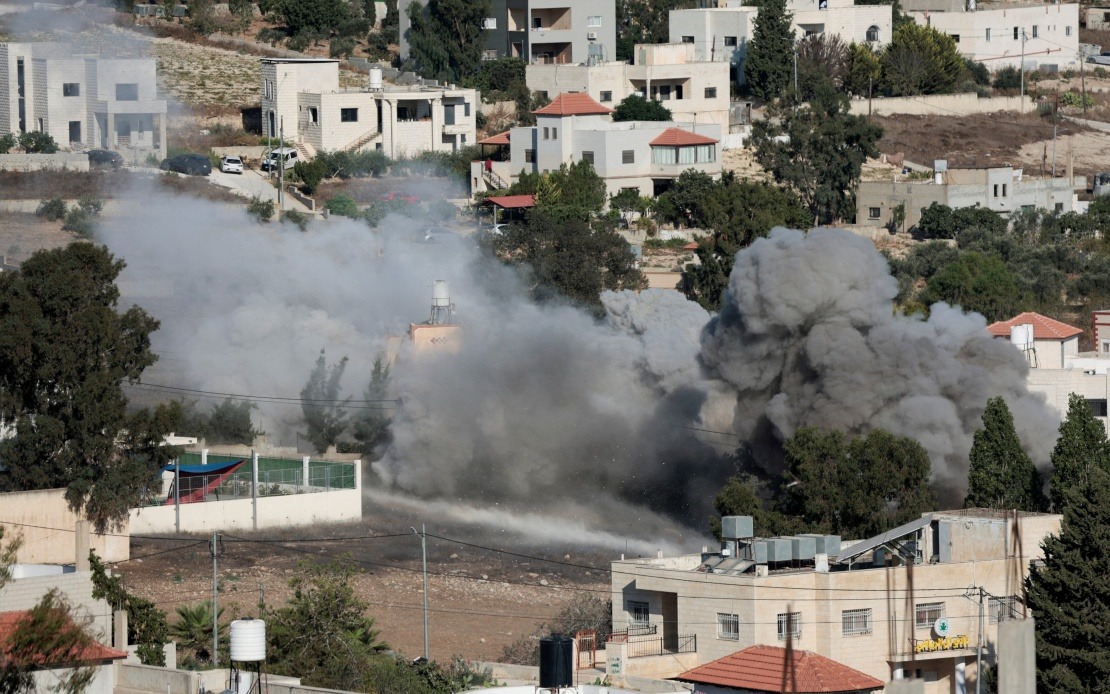
In a statement released on Thursday, the UN office detailed the establishment of a new Israeli colonial outpost adjacent to Qusra, located south of Nablus, beginning in November 2025. Since its creation, settlers from this outpost have progressively seized control of territory bordering the village while simultaneously intensifying a campaign of intimidation against the Palestinian population. The documented abuses encompass a comprehensive catalogue of violations: unauthorised entry into homes, physical violence against residents, destruction of property, theft of goods and livestock, and incendiary attacks, notably including an assault on a mosque serving the local community.
One particularly grave incident exemplifies the severity of the crisis. During July, settlers associated with an outpost in the Ras al-Ain section of Qusra deliberately severed water and electricity connections to three Palestinian residences. This action effectively cut off essential services to families already living under acute stress. On August 9, the situation deteriorated dramatically when settlers sealed all access points to these homes, constructing a tent between the properties and physically preventing residents from entering or exiting the confined area.
The humanitarian consequences were immediate and severe. Approximately 15 people, encompassing three Palestinian families and including at least two children, found themselves trapped within their homes without access to electricity, clean water, or the ability to seek medical attention or obtain food supplies. When residents appealed to Israeli military personnel stationed at the location to intervene, their requests were ignored. Furthermore, the presence of Israeli forces appeared designed to prevent humanitarian assistance, as paramedics, solidarity activists, and journalists were systematically blocked from reaching the affected families.
Military intervention occurred only partially on August 12, when soldiers removed the physical tent obstruction erected by settlers. However, this action proved to be merely cosmetic; the settlers themselves remained in place, continuing to encircle the homes and maintain the effective siege. By Thursday, the situation remained largely unchanged, with families still confined and separated from the broader Palestinian community.
The UN Human Rights Office characterises these actions as criminal conduct perpetrated with either explicit support or deliberate indifference from Israel in its capacity as the occupying power. The office argues that such systematic harassment constitutes a deliberate strategy designed to render Palestinian life untenable, with the explicit objective of forcing families to abandon their homes and ancestral lands. This pattern of coercion represents what international law scholars often term "constructive displacement"—the creation of conditions so intolerable that affected populations feel compelled to flee without formal expulsion orders.
The UN body has sounded an urgent alarm regarding the temporal dimension of this crisis, emphasising that the window for preventing permanent displacement of these three families continues to narrow. Each passing day increases the likelihood of irreversible consequences for communities already experiencing prolonged psychological trauma and material deprivation. The organisation has referenced the International Court of Justice ruling affirming that all Israeli settlements are unlawful under international law, alongside the court's directive that Israel must terminate all settlement activities, evacuate all settlers, and withdraw from occupied Palestinian territory.
The UN Office has articulated specific legal obligations incumbent upon Israel as the occupying power. These obligations encompass preventing settler violence through effective policing and security measures, conducting thorough investigations into documented incidents, and ensuring genuine accountability through imposition of penalties commensurate with the gravity of violations committed. The office emphasises that accountability must extend not only to direct perpetrators but also to officials and military personnel who knowingly permit such abuses to continue unchecked.
For Malaysian readers and Southeast Asian observers, this case illuminates the consequences when international legal frameworks and humanitarian principles lack enforcement mechanisms. The pattern described—minority populations subjected to violence by settler communities while occupying military forces remain passive or complicit—carries resonance for understanding similar territorial disputes throughout the region. The UN's frustration at the gap between legal rulings and practical implementation reflects broader challenges in international relations where powerful states dismiss international court decisions.
The case also demonstrates the vulnerability of civilian populations in asymmetrical conflicts, where formal military forces are supplemented by irregular settler groups operating with effective impunity. The deliberate targeting of essential services such as water and electricity reflects tactics designed to undermine basic human dignity and survival, techniques recognised by humanitarian lawyers as constituting potential war crimes under Geneva Conventions protocols that Malaysia and other ASEAN nations have ratified.
The UN's inability to compel compliance from Israel despite clear documentation of violations highlights the structural limitations of the current international human rights system. Without enforcement capacity, UN statements risk becoming symbolic performances rather than catalysts for material change. This reality informs contemporary debates about international law effectiveness in regions where powerful nations reject external scrutiny.

