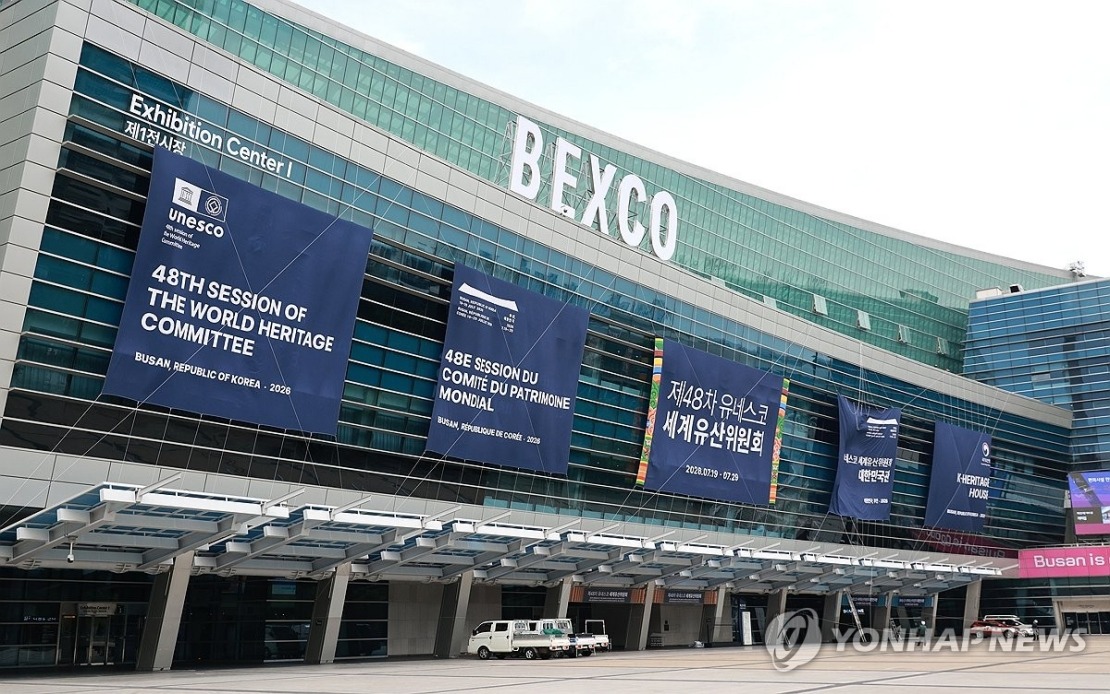
The port city of Busan, located some 330 kilometres southeast of Seoul, will play host to one of the United Nations Educational, Scientific and Cultural Organisation's most significant annual gatherings when the World Heritage Committee convenes at the Busan Exhibition and Convention Centre beginning Sunday. This marks a historic occasion for South Korea, which joined the UNESCO World Heritage Convention in 1988 but is hosting the committee's plenary session for the first time in its membership spanning over three decades.
Expectations are high for the 10-day meeting, with organisers anticipating the arrival of approximately 3,000 delegates representing a diverse array of stakeholders. These participants will include representatives from all 196 UNESCO member states, as well as officials from international organisations and non-governmental entities with interests in cultural and natural heritage preservation. The gathering underscores the global commitment to safeguarding sites of outstanding universal value and reflects South Korea's elevated standing within the international heritage conservation movement.
Leading the proceedings will be UNESCO Director-General Khaled El-Enany, who will guide discussions on matters of paramount importance to the global heritage community. Joining him are Assistant Director-General for Culture Nayef Al-Fayez and Lazare Eloundou Assomo, director of the World Heritage Centre, whose expertise will shape deliberations on the organisation's strategic direction and implementation of conservation initiatives across continents.
The UNESCO World Heritage Committee functions as the organisation's principal decision-making body regarding matters pertaining to cultural and natural heritage sites worldwide. Meeting annually, the committee evaluates proposed sites for inscription on the prestigious World Heritage List, a designation that brings international recognition and often translates into increased tourism revenue and enhanced protection mechanisms for nominated locations. This selective and rigorous process ensures that only sites demonstrating exceptional cultural, historical, or natural significance receive the coveted World Heritage designation.
Beyond the inscription process, the committee undertakes comprehensive assessments of conservation status for existing World Heritage Sites, identifying those facing threats from natural disasters, climate change, development pressures, or inadequate funding. Such assessments drive policy recommendations and mobilise international support for preservation efforts, often resulting in technical assistance and financial resources directed toward vulnerable locations. These evaluations have proven instrumental in preventing irreversible damage to irreplaceable cultural monuments and ecosystems.
The Busan session will also address broader policy questions affecting the convention's implementation globally. Committee members will deliberate on evolving challenges, including the impacts of climate change on heritage sites, sustainable tourism management, capacity building for developing nations, and the integration of Indigenous perspectives into heritage conservation frameworks. For Southeast Asian nations like Malaysia, such discussions carry particular relevance given the region's rich cultural diversity and numerous sites of international significance.
Malaysia's own engagement with the World Heritage system has yielded recognition for several exceptional sites, including the Historic Cities of Melaka and Georgetown, Penang, both inscribed in 2008 for their outstanding testimony to multicultural trading traditions spanning centuries. Additionally, Gunung Mulu National Park in Sarawak and the Kinabalu Park in Sabah showcase Malaysia's natural heritage achievements. The Busan committee session provides an opportunity for Malaysian representatives to engage with peers from comparable Southeast Asian countries facing similar heritage preservation challenges, from managing visitor impacts to balancing development aspirations with conservation imperatives.
South Korea's inaugural hosting of this major committee session reflects the country's expanding influence in global heritage governance and its commitment to collaborative international dialogue on preservation issues. The location choice is itself symbolic, as Busan represents a modernising Asian metropolis successfully integrating cultural conservation with contemporary urban development—a model of particular interest to rapidly developing Southeast Asian cities navigating similar tensions.
For the broader Asia-Pacific region, the Busan gathering signals UNESCO's recognition of Asia's cultural significance and the escalating importance of heritage conservation in rapidly urbanising societies. The committee's deliberations will likely address challenges specific to Asian contexts, including managing mass tourism at iconic sites, protecting ancient religious and architectural monuments from environmental degradation, and supporting developing nations' capacity to document and preserve their heritage inventories.
The 10-day session represents an intensive period of negotiations, technical presentations, and networking among global heritage professionals. Committees will evaluate numerous inscription candidates, review concerning conservation situations, and establish priority areas for the coming year. The outcomes will shape international heritage policy and influence how countries allocate resources toward preservation efforts.
For Malaysian policymakers and heritage practitioners, close attention to Busan proceedings could yield valuable insights and best practices applicable to managing Malaysia's World Heritage Sites and pursuing inscription of additional eligible locations. The committee's policy recommendations often trickle down to national heritage agencies, influencing conservation standards and international cooperation frameworks. As climate change increasingly threatens heritage sites across Southeast Asia, collective action coordinated through forums like the UNESCO World Heritage Committee becomes increasingly essential for long-term preservation success.

