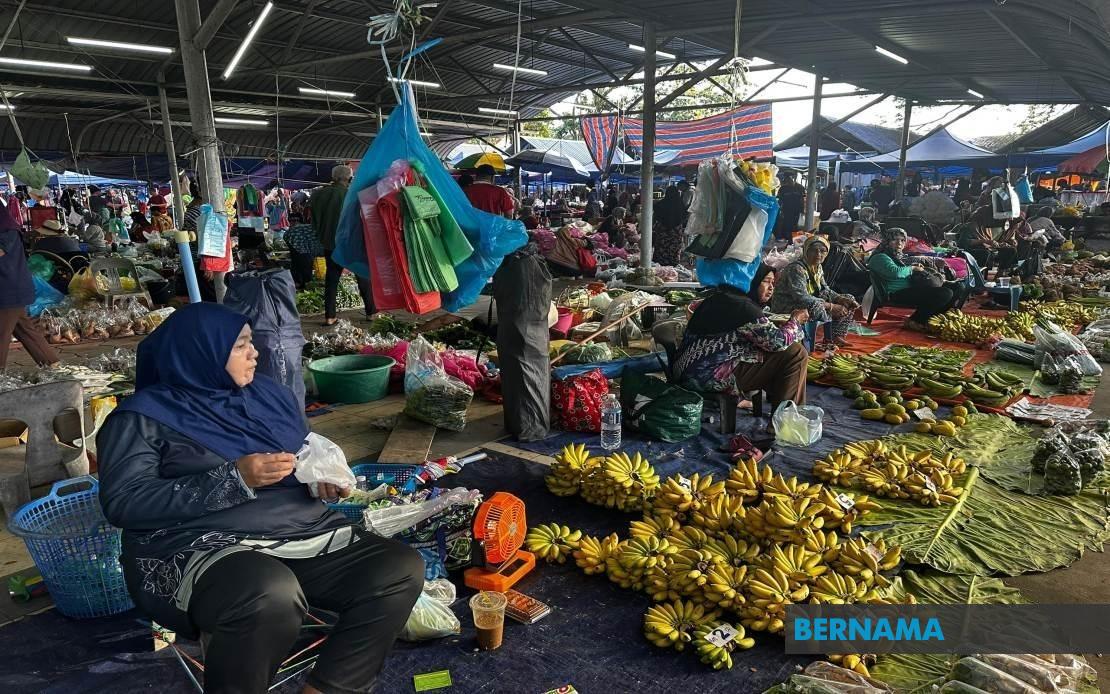
The prospect of securing UNESCO World Heritage Site designation for Kota Belud Tamu faces a demanding road ahead, requiring far more than regional enthusiasm or cultural significance. During proceedings at the Sabah State Legislative Assembly today, Dr Andi Md. Shamsureezal, the Assistant Minister of Tourism, Culture and Environment, laid out the formidable prerequisites that must be satisfied before such a nomination can realistically advance through UNESCO's evaluation framework. His remarks came in response to Datuk Mohd Arsad Bistari's question regarding state strategies to pursue both World Heritage and Geopark recognition for the traditional market.
The nomination pathway, Dr Andi explained, demands exhaustive scholarly investigation coupled with meticulous archival work and preparatory groundwork spanning an indeterminate duration. UNESCO's vetting procedures themselves are notoriously thorough, involving independent expert assessments that scrutinize every facet of a proposed site's historical authenticity and cultural relevance. The timeline for such undertakings frequently stretches across multiple years, and there is no guarantee of successful outcomes even after substantial investment of resources and effort.
Among the foundational requirements Dr Andi identified is a comprehensive body of research examining both material and non-material dimensions of the Tamu's cultural heritage. This encompasses not merely the structures and artifacts visible today but also the living traditions, social practices, knowledge systems, and oral histories embedded within the market's operations and community life. Researchers would need to document how indigenous practices have adapted over generations and continue to define contemporary market dynamics.
Documentation protocols demand rigorous cataloging of heritage assets, encompassing any surviving colonial-era architecture, pre-modern settlement patterns, archaeological artifacts, or other physical remnants bearing historical significance. Even minor architectural details or buried remains could strengthen a nomination's credibility by providing tangible evidence of long-term human occupation and cultural continuity. Archaeological surveys may prove necessary to establish the site's historical depth and authenticity.
Crucially, UNESCO requires nominations to marshal compelling historical and scientific evidence substantiating their claims. This evidence must demonstrate that the proposed site possesses what UNESCO terms "Outstanding Universal Value"—essentially proving that the location transcends local or national importance and contributes meaningfully to broader human heritage. For Kota Belud, this would necessitate demonstrating how the Tamu's cultural practices, market mechanisms, or historical role offer insights into indigenous Southeast Asian commerce, community organization, or cultural exchange patterns that resonate globally.
The timing of Dr Andi's statement is noteworthy given that Kota Belud has already achieved international recognition through different mechanisms. In May 2023, the district gained designation as part of the Kinabalu UNESCO Global Geopark, a distinction reflecting the geological and paleontological significance of the broader region. This geopark status does not automatically translate into World Heritage Site recognition—the two designations serve different purposes and employ separate evaluation criteria. However, the existing geopark framework provides institutional infrastructure and international visibility that could theoretically support a subsequent World Heritage nomination.
Sabah Parks, the agency leading geopark administration, has already launched initiatives designed to strengthen cultural preservation and boost tourism appeal through the "Tamu Geopark" programme. This initiative transforms the traditional market into a comprehensive platform showcasing regional gastronomy, indigenous textiles and attire, artisanal handicrafts, performing arts, traditional knowledge, and community-produced goods grounded in the local environment. Such programmes simultaneously serve economic development objectives by generating income for local vendors and producers while enhancing the market's visibility among visiting tourists and researchers.
The linkage between geopark status and potential World Heritage designation represents a strategic approach increasingly adopted across Southeast Asia. By first securing geopark recognition, regional governments establish baseline conservation commitments and international monitoring frameworks that facilitate subsequent bids for higher-tier designations. The geopark programme effectively generates the organizational capacity, documentation infrastructure, and community engagement necessary for more ambitious nominations to succeed.
For Malaysian stakeholders, the Kota Belud case illustrates both opportunities and constraints in leveraging UNESCO mechanisms for heritage preservation and economic development. The traditional market constitutes a living repository of Sabah's indigenous knowledge, commercial traditions, and intercommunal exchange practices—elements genuinely warranting international recognition. However, converting that inherent cultural value into formal UNESCO designation demands sustained institutional commitment, specialized expertise in heritage documentation, and patient navigation of bureaucratic processes that operate according to rigorous international standards rather than regional preferences.
The broader regional context matters considerably. Southeast Asia possesses numerous traditional markets, cultural practices, and heritage sites potentially qualifying for UNESCO recognition, yet the organization's designation processes remain highly selective. Successful nominations typically reflect not merely cultural significance but also sophisticated state capacity for heritage management, community participation frameworks, and ability to articulate heritage values in internationally legible terms. Sabah's acknowledgment of these requirements suggests pragmatic recognition that aspirational statements must be backed by substantive institutional preparation.
Looking forward, the pathway for Kota Belud likely involves several intermediate steps. Comprehensive heritage surveys and documentation projects must precede formal nomination submissions. Community consultation processes should deepen local stakeholder engagement and ensure that international recognition strategies align with community priorities rather than imposing external frameworks. Regional universities and research institutions could contribute scholarly capacity to strengthen the evidence base supporting any future nomination.
The extended timeframe Dr Andi indicated reflects not bureaucratic obstruction but rather the genuine complexity of heritage work conducted to international standards. Rushing nominations typically results in rejection; conversely, patient preparation substantially improves prospects for success. For Sabah and the broader region, treating Kota Belud's potential UNESCO recognition as a long-term strategic initiative rather than an immediate objective may ultimately prove more productive.

