The United States is actively reshaping the agenda for this year's Group of Twenty summit, pushing negotiators to strip away language addressing poverty reduction, energy transition and gender equality in favour of a narrower focus on immigration, transnational crime and trade issues. The effort emerged as the bloc's chief negotiators, known as sherpas, gathered in Washington on Monday and Tuesday to draft the Joint Declaration that world leaders will release at the December summit in Miami. Two delegation members, speaking anonymously because discussions remain confidential, characterised the American position as a fundamental recalibration of what has traditionally been a platform for addressing global development challenges.
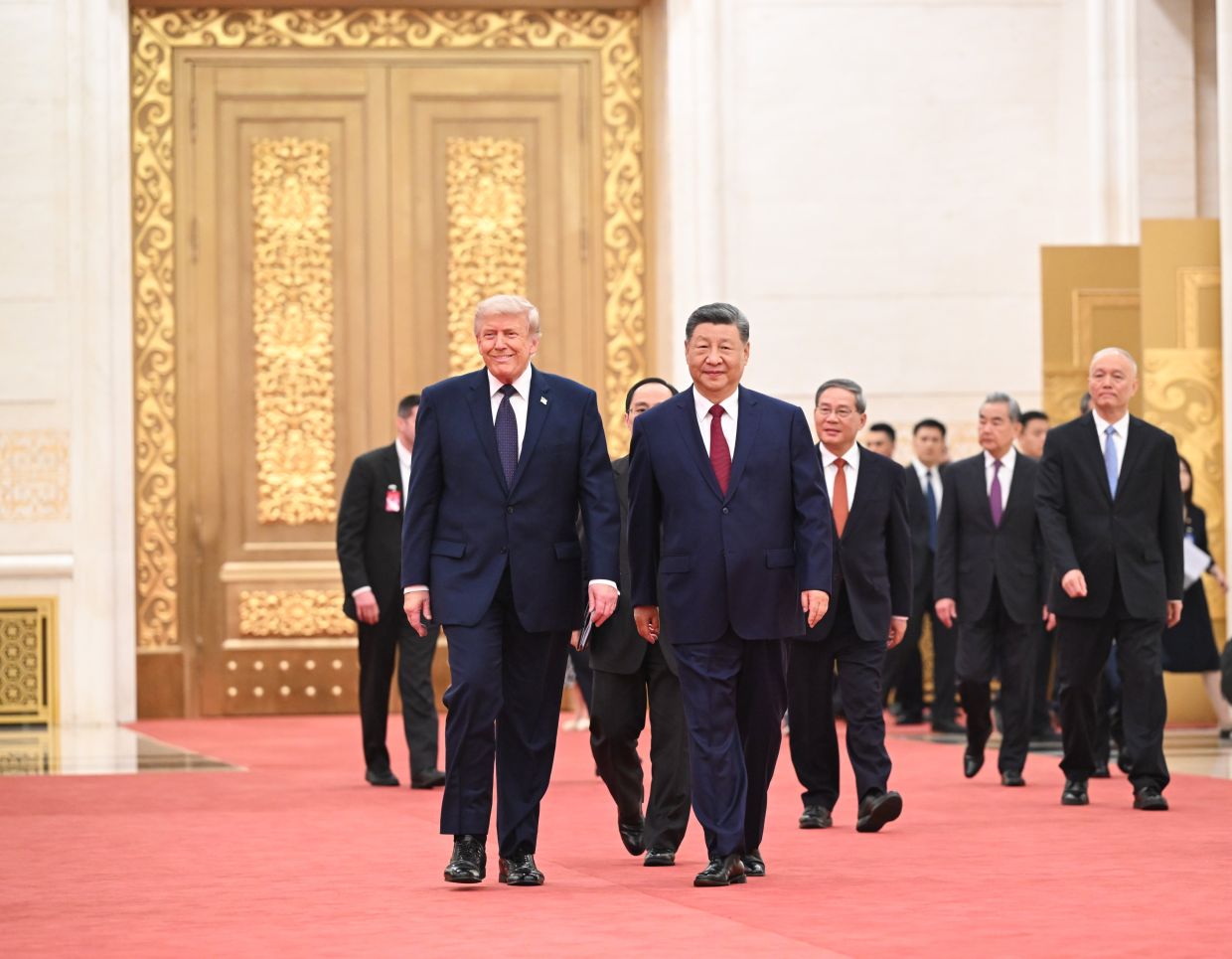
Washington's strategy has been consistent since December, when G20 negotiations first began, with US officials consistently favouring language that advances American interests at the potential expense of smaller and developing economies, according to one delegate's assessment. The characterisation of the summit itself as primarily serving as a backdrop for bilateral talks between President Trump and Chinese leader Xi Jinping underscores perceptions that the multilateral gathering has become secondary to great-power diplomacy. The summit is scheduled for December 14-15 at Trump National Doral, the president's golf resort in Miami, where Xi is expected to attend, making a Trump-Xi meeting the likely centrepiece of proceedings.
Russia has publicly echoed these criticisms, with Ambassador-at-Large Marat Berdyev voicing concerns about the direction of negotiations. Yet Russian negotiators participated in this week's talks anyway, led by sherpa Denis Agafonov, the head of the presidential experts' directorate. Berdyev told state news agency Tass that discussions would centre on preparations for Miami and tracks covering trade, energy and finance. The Russian willingness to engage despite publicly aired grievances reflects the complex balancing act G20 members must perform between registering objections and maintaining their seat at the multilateral table.
China's approach to the negotiations presents a puzzlement to observers. The country holds a central policy commitment to energy transition and would typically be expected to resist American efforts to downgrade climate language. Yet according to one delegate, China has not objected to Washington's initiatives to stop advancing energy-transition provisions. The Chinese embassy in Washington declined to explain this restraint, instead issuing a statement touting China's renewable energy investments and emissions-reduction framework, while claiming ignorance about who specifically represented Beijing in the negotiating sessions. The embassy's response sat uncomfortably with its apparent passivity on a issue that Beijing has consistently prioritised in multilateral forums.
China's muted response contrasts starkly with its historical activism on climate matters at the G20 and other international bodies. The country has constructed what officials describe as "the world's most complete policy system on reducing carbon emissions" and operates "the world's largest renewable energy system," according to the embassy statement. Whether Beijing's silence reflects strategic calculation, internal divisions, or acceptance of American leadership remains unclear. The opacity surrounding China's negotiating stance and delegation membership suggests either deliberate obscurity or, less charitably, a deprioritisation of the climate agenda at this particular moment.
The American pressure to narrow the G20 agenda represents a significant departure from the bloc's traditional approach as a forum for addressing interconnected global challenges. Immigration, transnational crime and terrorism are legitimate concerns that deserve attention, yet their elevation comes explicitly at the expense of development issues that affect the world's poorest populations. For Malaysia and other Southeast Asian nations with significant exposure to climate risks and development challenges, the reconfiguration of G20 priorities carries real implications for whether the group will meaningfully address issues affecting their national interests.
This week's Washington meeting marks the second occasion under the current US presidency that G20 negotiations have proceeded without Russia's full participation, reflecting broader geopolitical fractures within the group. Russia's exclusion from some sessions stems from its invasion of Ukraine, the first instance of a full member being sidelined from the group's history. Several governments have objected to this exclusion, though South Africa's president has not joined these objections. The absence of Russia from certain discussions further complicates efforts to forge consensus on a joint declaration, particularly when the Americans are simultaneously pushing to eliminate traditional areas of agreement.
Strain within the G20 has been building throughout the year. The group's first finance ministers' meeting under the current US presidency, held in Washington in April, concluded without a joint statement or the customary news conference, signalling deeper divisions beneath the surface. China sent Finance Minister Lan Fo'an to represent its interests on the finance track, a channel operating separately from the sherpas' negotiations. The absence of a unified statement from that April gathering presaged the difficulties now emerging in efforts to produce a cohesive December declaration.
For Malaysia and other middle-power nations within the G20, the recalibration of the summit's focus raises questions about the group's utility as a mechanism for advancing shared interests in development and climate action. The bloc was originally conceived as a platform for addressing global economic and political challenges through consensus-building among major economies. When the world's largest economy unilaterally narrows the agenda to suit its own priorities, smaller members face difficult choices about whether to acquiesce or resist, knowing that obstruction risks marginalisation. The Miami summit's location at a private resort owned by the US president adds an additional layer of symbolism to questions about whether the G20 remains a forum for genuine multilateral engagement or has become subordinate to bilateral great-power competition.

