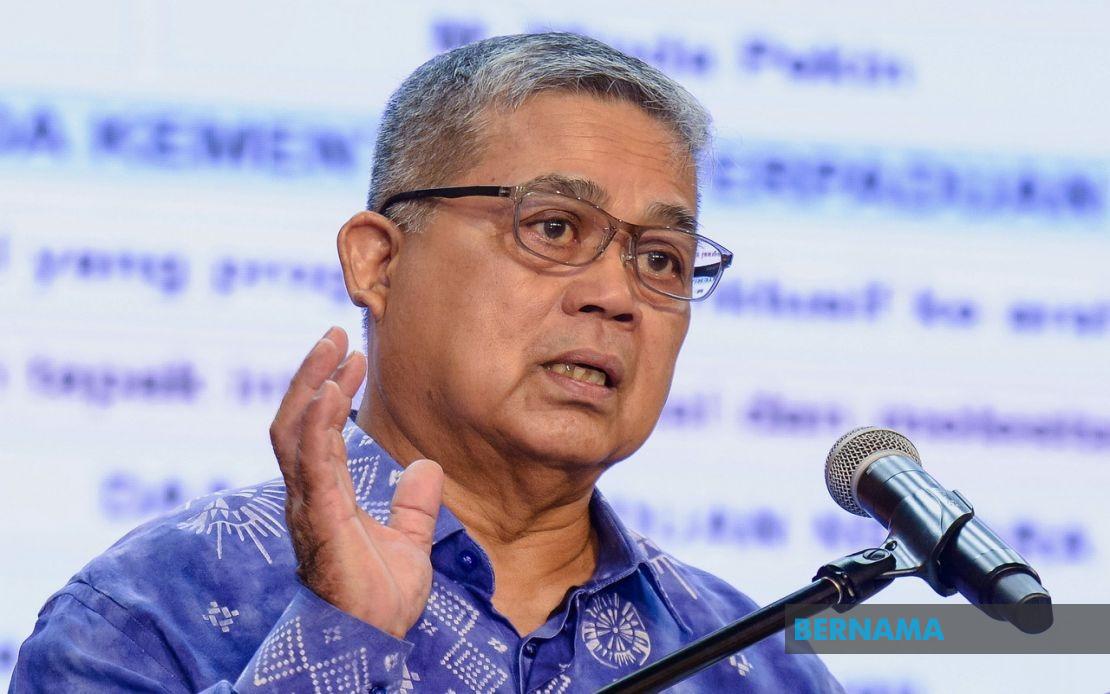
The National Unity Ministry is setting an ambitious target to develop 1,280 certified community mediators by the end of the decade, marking a significant push to institutionalise peaceful conflict resolution at the grassroots level. Datuk Aaron Ago Dagang, the ministry's chief, unveiled the initiative as part of broader efforts to embed mediation services into the nation's social fabric and align with Malaysia's overarching development vision outlined in the 13th Malaysia Plan.
Community mediation represents a pragmatic alternative to litigation, enabling disputing parties to resolve differences through dialogue and mutual understanding rather than court proceedings. The approach addresses a systemic gap in Malaysia's dispute resolution infrastructure, particularly for lower-value or neighbourhood conflicts that would otherwise clog the judicial system or fester unresolved within communities. By professionalising and certifying mediators, the ministry aims to ensure consistency, competence and public confidence in these services.
The expansion strategy includes establishing 12 new community mediation centres across the country by 2027, substantially broadening access to these services. The identified locations span all geographic regions: Kota Kinabalu in Sabah, Kuala Lumpur, Pontian in Johor, Terengganu, Shah Alam in Selangor, Kulim in Kedah, Pahang, Machang in Kelantan, Labuan, Miri in Sarawak, Kamunting in Perak, and Jasin in Melaka. This geographic distribution reflects recognition that community conflicts are ubiquitous and that mediators must be accessible to urban, suburban and rural populations alike.
A crucial feature of these mediation services is their pro bono nature. By offering free access to professional dispute resolution, the ministry removes financial barriers that might otherwise prevent ordinary Malaysians from accessing justice or conflict resolution. This democratisation of mediation is particularly important for lower-income communities where legal costs would be prohibitive, ensuring that wealth does not determine access to fair dispute settlement.
The initiative dovetails with Malaysia MADANI, the government's overarching development framework that prioritises harmonious and inclusive growth. Building robust community mediation infrastructure contributes directly to social cohesion by preventing disputes from escalating into broader community tensions. When neighbours resolve disagreements peacefully through structured mediation rather than confrontation, the cumulative effect strengthens social fabric and reduces friction across diverse communities.
The timeframe for rolling out these new centres—completion by 2027, with the broader mediator development programme extending to 2030—reflects a measured but determined approach. Rather than rushing implementation, the ministry is sequencing expansion in ways that allow for quality training and capacity-building. Certifying mediators ensures they possess requisite skills in communication, negotiation, neutrality and conflict management, raising professional standards above what volunteer or informal mediation might achieve.
Community mediation holds particular relevance for Malaysia's multicultural landscape, where disputes frequently traverse ethnic or religious lines. Professional mediators trained in cultural sensitivity and inclusive practices can help communities navigate sensitive conflicts without exacerbating underlying communal tensions. This preventative dimension of mediation—its capacity to resolve disputes before they metastasise into broader social divisions—is especially valuable in plural societies.
The strategic collaboration with local authorities that Aaron highlighted underscores an important governance principle: mediation services cannot succeed in isolation but must integrate with existing community structures and government frameworks. By anchoring these centres in established institutions such as neighbourhood associations and community activity centres, the ministry enhances their legitimacy and accessibility while leveraging existing community networks and trust.
For Malaysia's broader legal and social development, this initiative addresses a longstanding need for alternative dispute resolution mechanisms at the community level. While court systems remain essential, their costs, delays and adversarial nature make them unsuitable for many community disputes. Mediation fills this gap, offering speed, affordability and outcomes that can preserve relationships—critical when disputants are neighbours who will continue sharing spaces after resolution.
The programme also reflects international best practice in conflict resolution. Countries across Asia and globally have demonstrated that investing in community mediation infrastructure yields returns in social harmony, reduced litigation burdens and improved quality of life. Malaysia's commitment to developing 1,280 certified mediators positions the nation as serious about implementing evidence-based approaches to social cohesion.
Capacity-building among community members themselves represents an underutilised development strategy. By training citizens as certified mediators, the ministry strengthens community self-reliance and creates employment or volunteer opportunities while serving public good. These mediators become local leaders and champions of peaceful dispute resolution, multiplying the impact of government investment through their ongoing work in their communities.
The voluntary nature of mediated settlements is equally significant. Unlike court judgements imposed by judges, mediated agreements emerge from negotiation and consent, increasing compliance likelihood and satisfaction among both parties. Disputants who reach their own solutions feel greater ownership and are less likely to harbour resentment, making these settlements more durable than adversarial court outcomes.
Looking forward, the success of this programme will depend on sustained funding, quality training of mediators, effective public awareness campaigns and genuine institutional support from local authorities. If executed well, this initiative could transform how Malaysian communities handle conflict, creating safer, more cohesive neighbourhoods and contributing meaningfully to the social harmony that Malaysia MADANI envisions.

