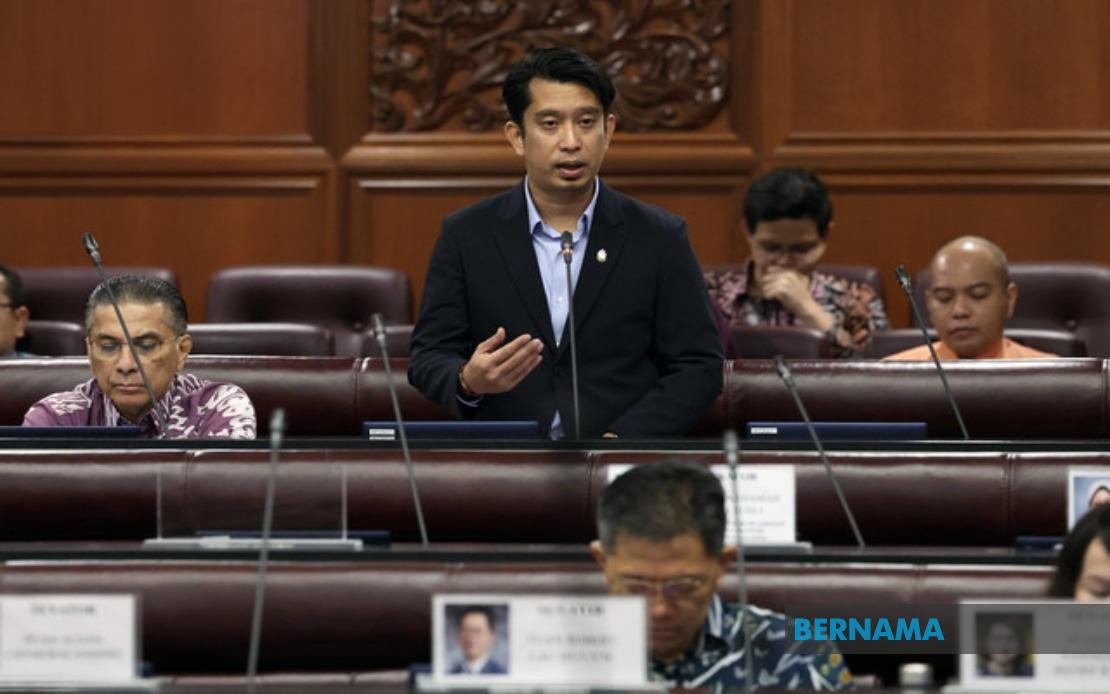
Malaysia's higher education sector has been given clearer authority to protect students in industrial training by withdrawing them from placements deemed unsafe, Deputy Higher Education Minister Adam Adli Abd Halim announced during a parliamentary question session. The directive comes as universities face mounting pressure to strengthen oversight following a fatal incident that claimed the life of a Universiti Putra Malaysia student while performing maintenance work at a water tower facility in Kuala Selangor in June.
The policy framework permits institutions to cancel internship assignments and recall students whenever credible safety hazards emerge, whether identified through institutional assessments or direct reports from students themselves. This represents a significant acknowledgment that current mechanisms require reinforcement, particularly given the frequency of workplace incidents involving young trainees who may lack experience in hazardous environments. The ability to act swiftly without bureaucratic delay addresses a critical gap in existing safety protocols, enabling decisive intervention when warning signs appear.
The tragic death of the UPM student sparked wider questions about how effectively universities monitor the safety standards of host companies before endorsing placements. Adam Adli's response indicates the ministry recognises that institutional due diligence must extend beyond cursory checks. Universities are now being encouraged to conduct substantially more rigorous evaluations of prospective training hosts, examining their historical safety performance, documented incidents, industry standing, and demonstrated commitment to workplace protection measures before approving any student assignments.
Sectors classified as high-risk will face stricter gatekeeping mechanisms. Students can only be placed with organisations that demonstrably meet safety requirements and operate proven safety management systems, ensuring that young workers are not exposed to preventable hazards due to inadequate employer protocols. This categorical distinction recognises that certain industries—including those involving heights, machinery, chemicals, or other inherent dangers—demand heightened scrutiny rather than standardised approval processes.
Preparation requirements have been formalised to ensure students entering potentially hazardous environments possess foundational knowledge. Those assigned to high-risk workplaces must complete relevant safety training courses and obtain appropriate certifications before commencing their placements, creating a baseline competency standard that did not previously exist across all institutions. This mandatory preparation phase should significantly reduce incidents stemming from operator error, carelessness, or insufficient understanding of workplace protocols.
The ministry has detailed comprehensive briefing requirements that must precede all placements. Students must receive structured training covering workplace safety and health principles, risk identification and management, proper use of personal protective equipment, emergency response procedures, and protocols for reporting hazards or incidents. These briefing sessions function as critical touchstones where expectations are clarified and hazard awareness is cultivated before students encounter real workplace environments.
Ongoing supervision represents another strengthened element. Academic supervisors from universities and industry supervisors from host companies share responsibility for monitoring student progress through scheduled physical visits, virtual check-ins where applicable, examination of progress reports, and consistent communication channels. This dual-layer supervision model aims to catch problems early rather than relying on incident reports after harm occurs, though effectiveness ultimately depends on supervisors actually conducting visits and taking concerns seriously.
The University Group Insurance Scheme provides financial protection should students suffer accidents or injuries during their training assignments. While insurance cannot prevent incidents or compensate for loss of life, it does ensure that injured students and bereaved families receive practical support without facing catastrophic financial consequences in addition to physical and emotional trauma. This safety net underscores institutional acknowledgment of inherent risks in work-based learning.
For Malaysian universities and students, these measures represent meaningful but incremental progress. The tragedy at Saujana 1 exposed vulnerabilities in a system that sometimes prioritised industry relationships or curricular requirements over comprehensive safety assessment. Strengthening pre-placement evaluations, requiring safety certifications, improving supervision, and clarifying the authority to withdraw students creates multiple checkpoints rather than relying on any single mechanism. However, implementation consistency remains critical—policies only reduce risk if universities genuinely enforce them rather than treating them as administrative formalities.
Regional implications extend beyond Malaysia's borders. As Southeast Asian universities increasingly embed internship and industrial training components into degree programmes, and as students from across the region pursue placements in multiple countries, safety standards become a competitive and reputational factor. Institutions that demonstrably protect students gain credibility with families, employers, and accreditation bodies, while those perceived as negligent face recruitment challenges and regulatory scrutiny.
The challenge ahead involves translating policy commitments into consistent practice across Malaysia's diverse higher education landscape. Smaller institutions with limited resources may struggle to conduct thorough safety audits of host companies, particularly for placements in remote or industrial areas. Capacity building for university supervisors and clearer accountability mechanisms for institutions that approve unsafe placements could strengthen the framework further. Ultimately, student safety during internships reflects institutional values and should never be compromised for convenience, cost savings, or convenience.

