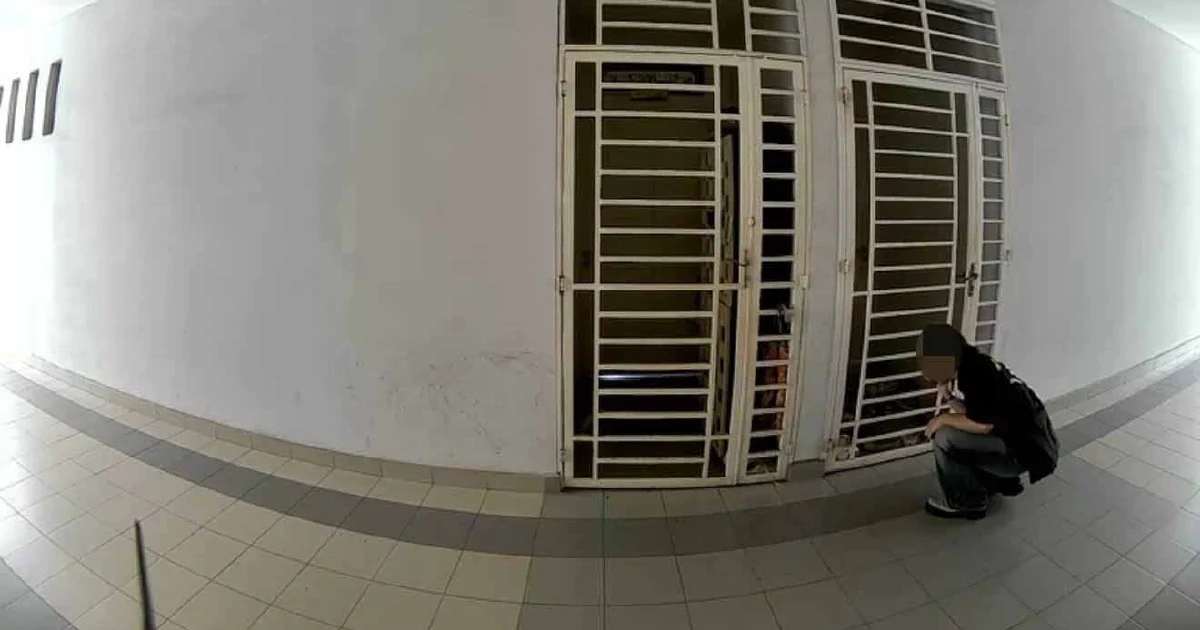
Police in Shah Alam have taken a public university student into custody following allegations that he engaged in a prolonged campaign of stalking and harassment targeting a female fellow student. The behaviour, which authorities say commenced in April, has triggered renewed attention to the problem of interpersonal misconduct on Malaysian campuses and the mechanisms available to victims seeking protection.
The detention came after the complainant reported the matter to law enforcement, describing a pattern of unwanted contact and intrusive conduct that she contends created a climate of fear and discomfort throughout her campus experience. Such cases have become increasingly visible in recent years, with universities and police forces across the nation grappling with how best to respond to allegations of stalking—a category of behaviour that sits in the contested space between persistent but ostensibly harmless attention and outright threats.
Stalking in the Malaysian context remains a serious concern, particularly on university campuses where close-knit student communities and shared living spaces can inadvertently enable obsessive behaviour. The phenomenon often goes unreported because victims fear social stigma, worry about being accused of overreacting, or harbour doubts about whether institutions will take their complaints seriously. The decision by the woman in this case to lodge a formal police report therefore represents a significant step that may embolden other students experiencing similar situations to seek official assistance.
Public universities in Malaysia operate under their own disciplinary frameworks alongside the broader criminal justice system. While the police investigation focuses on potential criminal charges, the institution itself will likely initiate parallel proceedings to determine whether university regulations have been violated. This dual-track approach is intended to ensure both immediate safety measures and longer-term accountability, though critics have pointed out inconsistencies in how different universities implement their policies.
The timing of this arrest carries symbolic weight as Malaysian society continues to grapple with questions about consent, personal boundaries, and the responsibility of educational institutions to create secure environments for their students. Campus safety initiatives have expanded in recent years, with many universities establishing dedicated reporting channels, awareness campaigns, and support services for those affected by harassment. However, the persistence of incidents like this one suggests that gaps remain in implementation and enforcement.
For the student accused of the offence, the consequences extend well beyond potential criminal penalties. A conviction for stalking and harassment could result in imprisonment, fines, or both, depending on the specific charges pursued and the evidence presented. Beyond legal ramifications, a finding of guilt would almost certainly trigger expulsion or suspension from the university, effectively halting academic progress and creating lasting reputational damage that extends into employment prospects and professional circles.
The case also underscores the emotional and psychological toll that persistent stalking inflicts on victims. Individuals subjected to unwanted surveillance, repeated contact despite clear rejection, or monitoring of social media activity often experience heightened anxiety, disrupted sleep, and diminished ability to concentrate on their studies. For university students already navigating the demands of academic life, the addition of such stress can have cascading effects on mental health, academic performance, and social integration.
The involvement of Shah Alam police in this matter reflects the geographic distribution of Malaysia's public universities and the corresponding responsibility of local law enforcement agencies to respond to complaints emanating from their jurisdictions. The police investigation will likely involve interviews with both the complainant and the accused, examination of communications records including text messages and social media interactions, and corroboration from any witnesses who may have observed the alleged behaviour.
From a broader policy perspective, this arrest highlights the ongoing tension between institutional self-regulation and formal criminal justice intervention. While universities possess the institutional authority and agility to respond quickly to misconduct allegations, police involvement brings statutory authority and investigative resources that institutions cannot independently deploy. The question of when and how to escalate cases from one system to another remains a subject of debate among administrators, law enforcement officials, and advocacy groups focused on campus safety.
The incident also raises questions about preventative measures that universities might implement to discourage obsessive behaviour before it reaches the point of police intervention. Training programs for students on healthy relationship dynamics, explicit articulation of consent principles, and accessible reporting mechanisms represent important components of a comprehensive approach. Some institutions have experimented with bystander intervention programs that encourage peers to intervene when they observe behaviour that could constitute harassment.
Looking ahead, this case will likely be closely monitored by student safety advocates and university administrators across the country, as the outcome may influence how other institutions handle similar allegations and what legal precedents are established regarding stalking and harassment on campuses. The investigation and any subsequent judicial proceedings will contribute to an evolving understanding of how Malaysian law applies to digital-era harassment, where traditional boundaries between public and private spaces have become increasingly blurred through social media and messaging platforms.
For the broader university community in Shah Alam and beyond, this development serves as a reminder that safety and respect remain non-negotiable foundations of campus life. Whether institutional responses, law enforcement action, or both prove most effective in addressing such behaviour will continue to shape the landscape of student protection in Malaysian higher education.

