The United States and Jamaica have moved to formalize their security partnership through a newly signed agreement that aims to deepen military coordination and strategic cooperation in combating narco-terrorism throughout the Western Hemisphere. The accord was announced by the US Southern Command (SOUTHCOM), which oversees American military operations across Latin America and the Caribbean, reflecting Washington's intensifying focus on transnational drug trafficking networks that pose destabilization risks across the region.
The framework builds upon decades of security ties between the two nations and represents a significant escalation in their coordinated response to organized crime. According to SOUTHCOM Commander General Francis L. Donovan, the partnership strengthens "our front against cartels" while expanding "joint efforts to combat threats in the Western Hemisphere." This language underscores a shift toward treating cartel activity not merely as a law enforcement challenge but as a national security threat requiring integrated military and strategic responses.
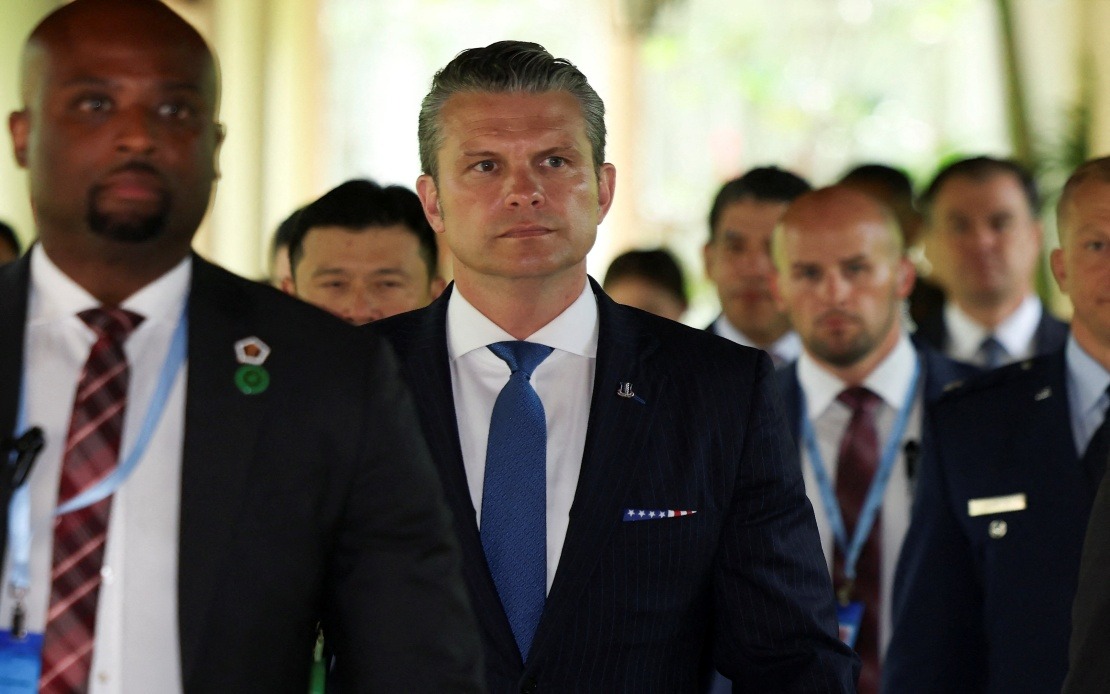
The agreement represents a tangible outcome of discussions that took place in August at the A3C anti-cartel forum convened in Panama. During that gathering, US Defence Secretary Pete Hegseth engaged directly with Jamaica's Deputy Prime Minister and Minister of National Security Horace Chang, indicating high-level political commitment from both administrations. The convergence of these diplomatic channels suggests that addressing narco-terrorism has become a priority for both countries' leadership structures.
For Jamaica, this partnership carries particular significance given the island nation's strategic geography. Positioned in the Caribbean shipping lanes, Jamaica has increasingly become a transit point and potential haven for drug trafficking operations. The country faces persistent challenges with gang violence and narco-trafficking that destabilize communities and strain law enforcement resources. By formalizing military cooperation with Washington, Jamaica gains access to advanced intelligence capabilities, surveillance technology, and tactical expertise that domestic institutions alone cannot provide.
The timing of this agreement coincides with an apparent escalation in US military operations against suspected drug smugglers. In November 2025, Defence Secretary Hegseth announced Operation Southern Spear, a military campaign specifically designed to target drug cartels throughout Latin America. This operation represents a more aggressive posture than previous counter-narcotics efforts, incorporating direct military strikes rather than relying solely on interdiction and law enforcement cooperation.
The scale of operational activity under this initiative has been substantial. Since September 2025, SOUTHCOM reports that US military forces have conducted strikes against at least 67 vessels suspected of involvement in drug smuggling operations across the Caribbean and Pacific Ocean. These operations have resulted in 221 fatalities, according to SOUTHCOM's figures. The intensity and geographic scope of these operations indicate a comprehensive strategy targeting cartel logistics networks across multiple maritime zones simultaneously.
For Malaysian and Southeast Asian observers, this deepening US-Caribbean security architecture carries broader implications for regional stability and great power dynamics. The Caribbean remains strategically important to US interests, and intensified American military presence and operations in the region reflect Washington's determination to maintain influence and security control. However, the tactics employed—including strikes on vessels with significant casualties—raise questions about oversight, rules of engagement, and the long-term effectiveness of military-centric approaches to narco-trafficking problems.
The Jamaica agreement also demonstrates how transnational security challenges increasingly bind nations together in military partnerships. For smaller developing nations like Jamaica, such agreements can provide material benefits including training, equipment, and intelligence sharing. However, they also create dependencies on larger powers and may complicate questions of national sovereignty, as military cooperation often requires granting US forces operational freedom and access to territorial waters and airspace.
The broader context reveals that cartel activity in the Western Hemisphere shows no signs of diminishing despite decades of counter-narcotics efforts. Major trafficking organizations have adapted to interdiction campaigns by diversifying routes, modifying operational procedures, and investing in maritime capabilities. The introduction of military strikes against suspected smuggling vessels represents an escalation that may yield short-term tactical successes but raises questions about whether kinetic operations can fundamentally address the underlying economic incentives driving drug production and trafficking.
From a Southeast Asian perspective, these developments underscore divergent approaches to transnational organized crime. While the US emphasizes military intervention and kinetic solutions, other regions have experimented with alternative strategies combining law enforcement, development assistance, and crop substitution programs. The effectiveness and sustainability of the American approach in the Caribbean may provide valuable lessons—both positive and cautionary—for other regions grappling with similar challenges.
Jamaica's formal entry into this security framework also signals the country's assessment that domestic capacity alone cannot adequately address cartel-related threats. This calculation reflects broader patterns among Caribbean nations, many of which increasingly look to Washington for security partnerships as organized crime organizations grow more sophisticated and better resourced than local law enforcement agencies. The agreement thus represents both a rational security choice for Jamaica and an expansion of American military influence in a strategically important maritime region.

