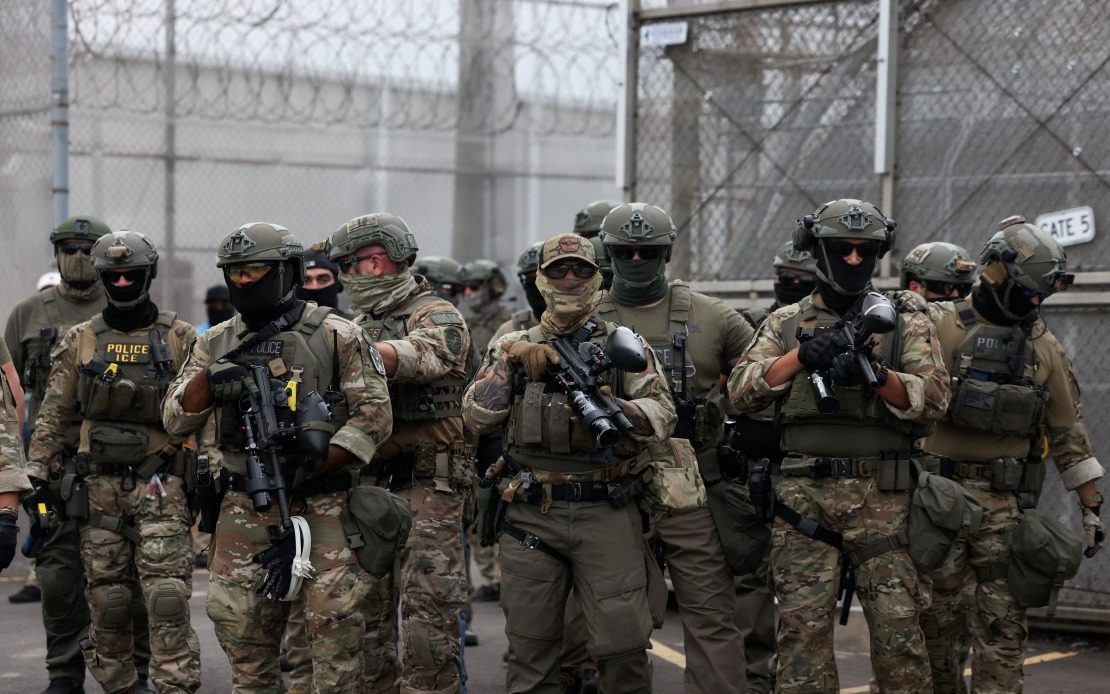
A federal judge in California has issued a nationwide order prohibiting United States Immigration and Customs Enforcement from conducting arrests within immigration courthouses and their immediate surroundings. The ruling represents a significant legal setback for the Trump administration's immigration enforcement strategy and addresses a practice that has drawn intense scrutiny from civil rights advocates and legal experts across the country.
The scope of this injunction extends across all fifty states, effectively halting what has become an increasingly common enforcement tactic. Immigration and Customs Enforcement officers had been apprehending migrants at courthouses in numerous locations throughout 2024, often detaining individuals while their legal proceedings were still ongoing or before they had the opportunity to complete their hearings. This practice has generated considerable controversy within immigrant advocacy circles and among legal professionals who argue it fundamentally undermines the fairness of the judicial process.
Immigration courts serve a critical function in the American legal system, adjudicating removal proceedings for individuals facing potential deportation. These specialized courts handle complex cases involving asylum seekers, undocumented immigrants, and other migrants whose immigration status is contested or uncertain. When enforcement personnel conduct arrests at these venues, it potentially creates an environment of fear and intimidation that discourages migrants from appearing voluntarily at scheduled hearings, knowing they risk immediate detention regardless of whether proceedings have concluded.
The Trump administration implemented the new courthouse arrest protocol at the outset of the president's second term, introducing revised operational guidelines that emphasized the enforcement benefits of conducting arrests in courthouses. Administration officials argued that courthouses provided efficient venues for locating and apprehending individuals subject to deportation orders or immigration violations. However, the federal judge found this rationale insufficient under legal standards governing administrative action.
In issuing the injunction, the California-based federal judge determined that Immigration and Customs Enforcement had failed to provide adequate justification for the policy shift or to meaningfully address legitimate concerns about its consequences. The court found that the agency had not conducted proper legal analysis regarding how the practice might undermine due process rights or discourage attendance at hearings. This reasoning reflects longstanding judicial doctrine requiring government agencies to carefully consider potential harms before implementing policies that could affect fundamental legal rights.
The decision carries significant implications for migrants throughout the United States and, by extension, for immigration enforcement policy across North America. Malaysia and other Southeast Asian nations with diaspora communities in the United States should note that thousands of their nationals have been affected by such enforcement actions. The ruling suggests that American courts remain willing to impose limits on executive immigration enforcement when procedural fairness is compromised, offering some protection to vulnerable populations.
Civil rights organizations have long contended that courthouse arrest policies create perverse incentives that prevent migrants from accessing the justice system. When individuals fear apprehension simply by appearing for their legal hearings, they may decline to attend proceedings, potentially resulting in default deportation orders issued in their absence. This outcome serves neither justice nor orderly immigration administration, critics argue, since it prevents the airing of legitimate claims and produces legally questionable results.
The federal judge's reasoning focused on the inadequacy of the government's explanation for adopting the policy without proper analytical foundations. Under the Administrative Procedure Act, federal agencies must provide reasoned explanations for their decisions and cannot ignore significant impacts of their actions. The court found that Immigration and Customs Enforcement had failed this standard, making its new guidelines vulnerable to legal challenge on procedural grounds apart from the substantive merits of the policy itself.
This decision arrives during a period of heightened immigration enforcement activity and reflects ongoing tensions within the American legal system between executive immigration priorities and judicial oversight of governmental action. The Trump administration had signaled its intent to pursue aggressive deportation policies, but the federal judiciary has begun imposing constraints on how those policies are implemented. Other lawsuits challenging different aspects of the administration's immigration enforcement approach are proceeding through the courts, suggesting that judges will continue scrutinizing the legal foundations of these initiatives.
For Malaysian observers of American politics, the ruling underscores how constitutional frameworks and independent judiciaries can function as checks on executive authority, even during periods of significant policy shifts. The outcome may also influence how other democracies in the region approach questions about executive immigration enforcement authority and the balance between security objectives and legal protections for vulnerable populations.
The immediate practical effect of this injunction is that Immigration and Customs Enforcement personnel nationwide must now refrain from courthouse arrests unless they receive further legal authorization from appellate courts or the Supreme Court reverses this decision. Immigration advocates anticipate the ruling will encourage migrants to appear at hearings without fear of immediate detention, potentially improving court attendance and producing fairer outcomes in immigration proceedings.