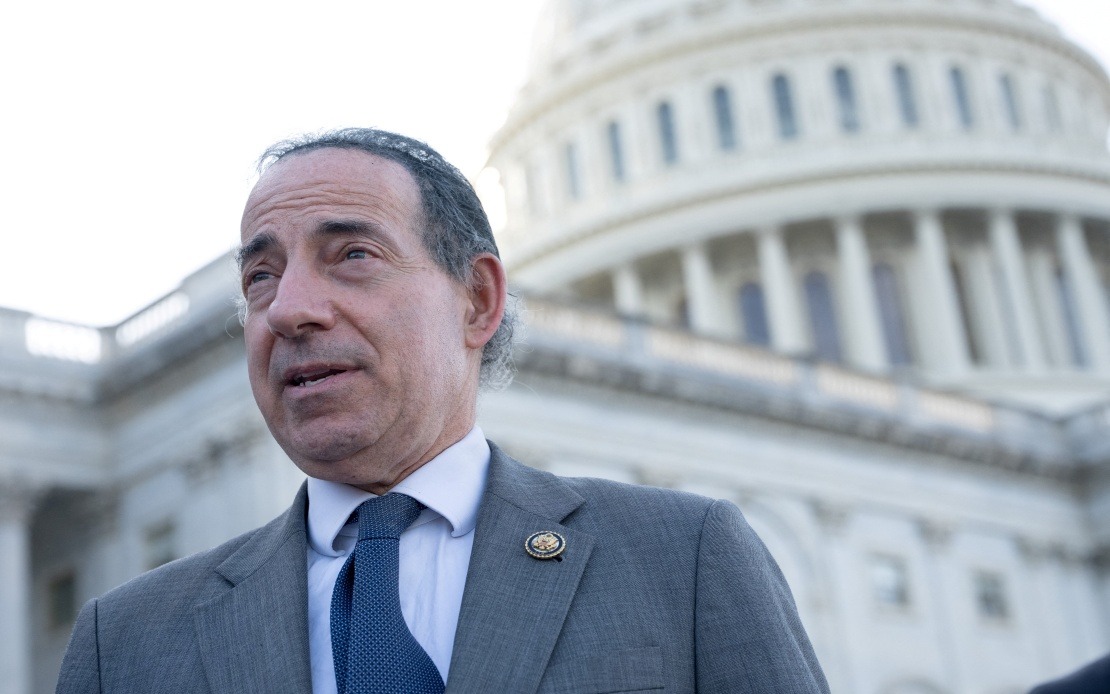
A prominent Democrat in the United States House of Representatives has initiated a formal investigation into FIFA, claiming the global soccer governing body orchestrated a quid pro quo arrangement with the Trump administration to secure immunity from prosecution and preferential policy treatment. Rep. Jamie Raskin, the ranking member of the House Judiciary Committee, outlined the inquiry in a letter sent to FIFA President Gianni Infantino on Sunday, signalling a significant escalation in scrutiny of the international sports organisation's practices and its dealings with American political leadership.
Raskin's investigation centres on what he describes as a "sustained campaign" by FIFA to obtain favourable conditions from President Donald Trump's government. At the heart of the allegations lies the Trump administration's apparent reversal of longstanding anti-corruption enforcement efforts that had previously exposed systematic bribery within world soccer. The congressman characterises the alleged arrangement as far from victimless, suggesting it harmed ordinary sports fans and ticket purchasers while shielding FIFA officials from legal accountability.
The scope of prior Justice Department investigations into FIFA corruption was substantial. According to Raskin's statements, earlier prosecutions had uncovered an extensive international bribery scheme connected to soccer media rights, with the illicit payments exceeding US$200 million. These bribes and kickbacks implicated defendants from more than 20 countries, revealing the truly global nature of the corruption network within football's administrative structures. Despite securing convictions in several cases, the Trump administration subsequently terminated additional prosecutions, effectively allowing convicted defendants to escape further legal consequences.
Beyond the reversal of corruption cases, Raskin's inquiry will examine FIFA's governance practices under Infantino's leadership, particularly allegations that the organisation deliberately weakened internal ethics safeguards while simultaneously pursuing closer relations with the Trump White House. This dual approach—dismantling internal oversight mechanisms while cultivating political protection—suggests a calculated strategy to insulate FIFA from institutional accountability. The congressman contends that this governance deterioration directly corresponded with FIFA's efforts to strengthen ties with the American administration.
The investigation also focuses on FIFA's controversial World Cup ticketing practices, which Raskin characterises as involving illegal price manipulation and fraudulent sales tactics. The allegations encompass several problematic commercial strategies, including aggressive price increases, dynamic pricing mechanisms that adjusted costs based on demand, and policies permitting the downgrading of seat assignments after customers had completed their purchases. These practices disproportionately disadvantaged ordinary fans while potentially generating substantial unauthorised profits for FIFA.
Raskin has formally requested extensive documentation from FIFA, seeking all records pertaining to gifts, payments, or other financial benefits provided to Trump or his associates. Additionally, the committee is demanding communications documenting FIFA's interactions with United States government officials and comprehensive records related to ticketing practices and pricing decisions. The breadth of these requests signals the committee's intention to construct a detailed narrative of the alleged relationship between FIFA and the Trump administration.
A particularly significant element of Raskin's inquiry involves seeking visitor logs from FIFA's offices located within Trump Tower in New York. These records could potentially illuminate the extent and nature of direct contact between FIFA officials and Trump's inner circle, providing documentary evidence of the closeness of their relationship. Such physical evidence of meetings and interactions would form a crucial foundation for establishing the nature and scope of any quid pro quo arrangement.
Raskin has also requested that Infantino appear for a transcribed interview before the House Judiciary Committee while the FIFA president is in the United States. This demand for in-person testimony represents a significant escalation, as transcribed interviews create an official record that can be used in subsequent legal or political proceedings. The congressman established an August 9, 2026 deadline for scheduling this appearance, suggesting the investigation is proceeding with deliberate haste despite the extended timeframe.
For Malaysian readers and Southeast Asian observers, this investigation carries important implications. Many nations in the region have expressed concerns about FIFA's governance, transparency, and commercial practices affecting their own football industries and fans. The examination of FIFA's alleged corruption networks and the influence of major powers on its operations resonates with broader regional discussions about international sports governance and the need for accountability mechanisms that transcend national boundaries. Malaysia, as a football-loving nation with a developing sports sector, has stake in how global sporting organisations conduct their affairs.
The investigation also reflects broader tensions within American politics regarding the Trump administration's approach to anti-corruption enforcement. Rather than expanding prosecutorial efforts against international crime networks, the administration allegedly prioritised political relationships and transactional arrangements. This pattern, if substantiated, raises questions about the consistency and independence of American justice systems when political considerations intersect with international affairs.
The FIFA case additionally underscores vulnerabilities within international sports governance structures. Even with established internal ethics mechanisms, organisational leadership can effectively neutralise these safeguards when motivated by external political incentives. This structural weakness suggests that reform of FIFA governance may require external pressure and oversight mechanisms beyond the organisation's internal capacity to implement.
As Raskin's investigation progresses, it will likely produce findings that either substantially vindicate or refute the serious allegations outlined in his initial letter. The investigation's outcome will have implications not only for FIFA's future governance but also for how international sports organisations manage relationships with major political powers and maintain independence from political interference.

