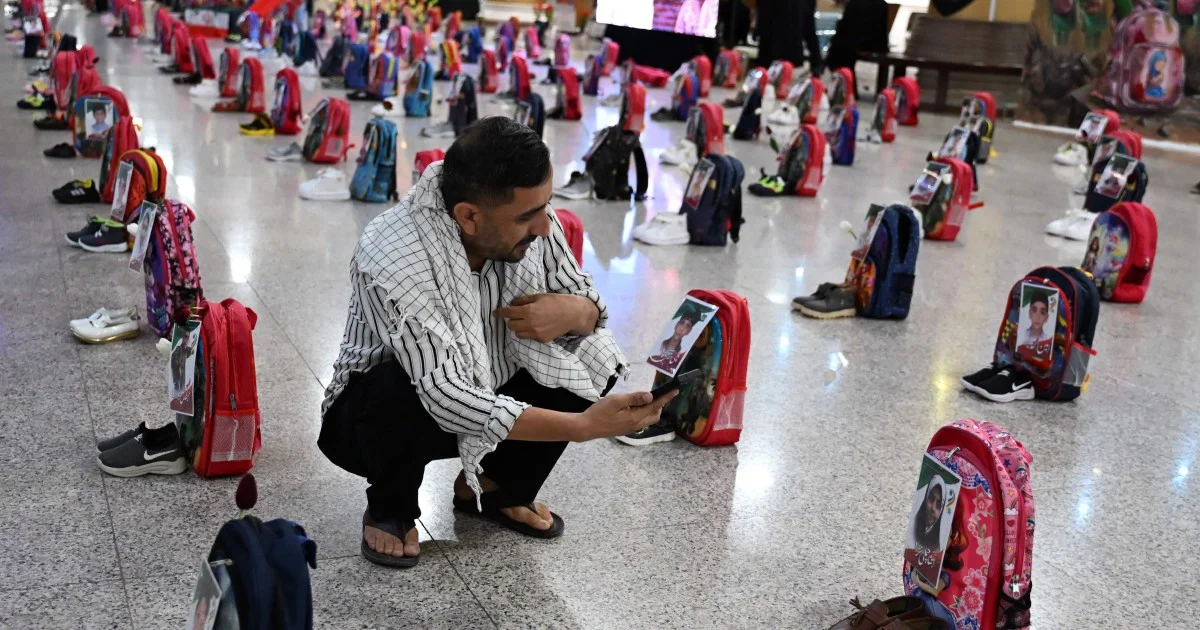
A group of Democratic senators spearheaded by Kirsten Gillibrand has formally called upon the Trump administration to make public the results of a Pentagon investigation concerning a military strike that occurred on February 28 against a girls' educational facility in Iran. The lawmakers issued their demand on Monday, setting a deadline of one week for the disclosure of findings that could prove significant in understanding the circumstances and consequences of the operation.
The February 28 incident at the school in Iran represents a sensitive military matter with potential diplomatic ramifications in the Middle East. The specific details surrounding the strike—including its justification, planning, execution, and any assessments of collateral damage—have remained largely classified or unreleased to the public and Congress. This opacity has prompted legislative scrutiny from across the Democratic caucus, with Gillibrand emerging as the leading voice demanding transparency and accountability.
The push for transparency reflects broader congressional concerns about military operations in the region and their adherence to international humanitarian law. Democratic lawmakers have consistently advocated for robust oversight of military actions, particularly when civilian facilities such as schools are involved. The educational institution's status as a girls' school adds another dimension to the scrutiny, as such facilities typically serve vulnerable populations and carry symbolic significance within their communities.
Gillibrand's leadership on this issue aligns with her established record of demanding accountability from military and defence establishment officials. Her specific request for findings within a seven-day window indicates the senators view this matter as time-sensitive and requiring immediate action from the Pentagon. The compressed timeline suggests lawmakers believe the investigation should already be substantially complete or that further delay would be unjustifiable.
The Trump administration's handling of military transparency has been a point of contention among congressional Democrats throughout his tenure. Questions about declassification, congressional notification, and public disclosure procedures have created friction between the executive and legislative branches. This particular demand sits within that broader context, though the focus here remains narrowly on one specific incident and its investigation.
For Southeast Asian readers and policymakers monitoring US military posture in and around the region, this episode underscores the complex interplay between military operations, domestic political scrutiny, and international relations. The willingness of the Trump administration to conduct operations in Iran despite congressional oversight mechanisms reflects the tensions that can arise when executive authority and legislative accountability intersect. How such matters are resolved domestically can signal broader US commitment to legal and ethical military practices to regional observers.
The Pentagon's investigation presumably examined multiple aspects of the strike, potentially including target identification procedures, intelligence gathering, command-and-control decisions, and post-strike assessments. Public release of such findings could either validate the operation as militarily justified and appropriately executed, or it could reveal procedural failures, intelligence errors, or unintended consequences that warrant policy adjustments or disciplinary action. Either outcome carries implications for how future operations are conducted and authorized.
The insistence on disclosure within one week carries tactical significance. A tight deadline prevents the administration from using extended deliberation as a delay tactic while simultaneously demonstrating that Congress views this matter as urgent. Whether the Pentagon can meet this timeline, or how the administration chooses to respond to the demand if compliance proves difficult, will signal the degree to which the Trump administration intends to cooperate with Democratic legislative oversight on sensitive military matters.
From a broader Middle East strategy perspective, the transparency question also relates to US credibility and adherence to stated principles regarding civilian protection in conflict zones. If an investigation reveals problematic findings, their public disclosure demonstrates accountability. Conversely, withholding findings invites speculation about cover-ups or malfeasance that can undermine US standing internationally, particularly among allies and neutral states observing how Washington conducts military operations abroad.
The specific choice of target—a girls' school in Iran—inevitably frames the entire controversy around civilian protection standards. Even if the facility served military purposes or housed legitimate military personnel, its primary identity as an educational establishment for female students ensures heightened sensitivity. International humanitarian law stringently protects educational facilities, and any operation against such installations faces extraordinary scrutiny.
Gillibrand's mobilisation of fellow Democratic senators indicates this is not merely an individual senator's concern but rather reflects wider party sentiment regarding military accountability and transparency. The collective demand carries greater weight than a solitary voice and suggests this issue could gain further traction if the administration does not cooperate promptly. Future oversight hearings or appropriations decisions could hinge on how the Pentagon responds to this disclosure demand.
As regional tensions periodically flare between the United States and Iran, and as military operations continue across the Middle East, the precedent set by how this investigation is handled carries broader implications. Demonstrating congressional capacity to enforce transparency demands reassures allies and adversaries alike that US military conduct operates within defined legal and ethical frameworks subject to democratic oversight.

