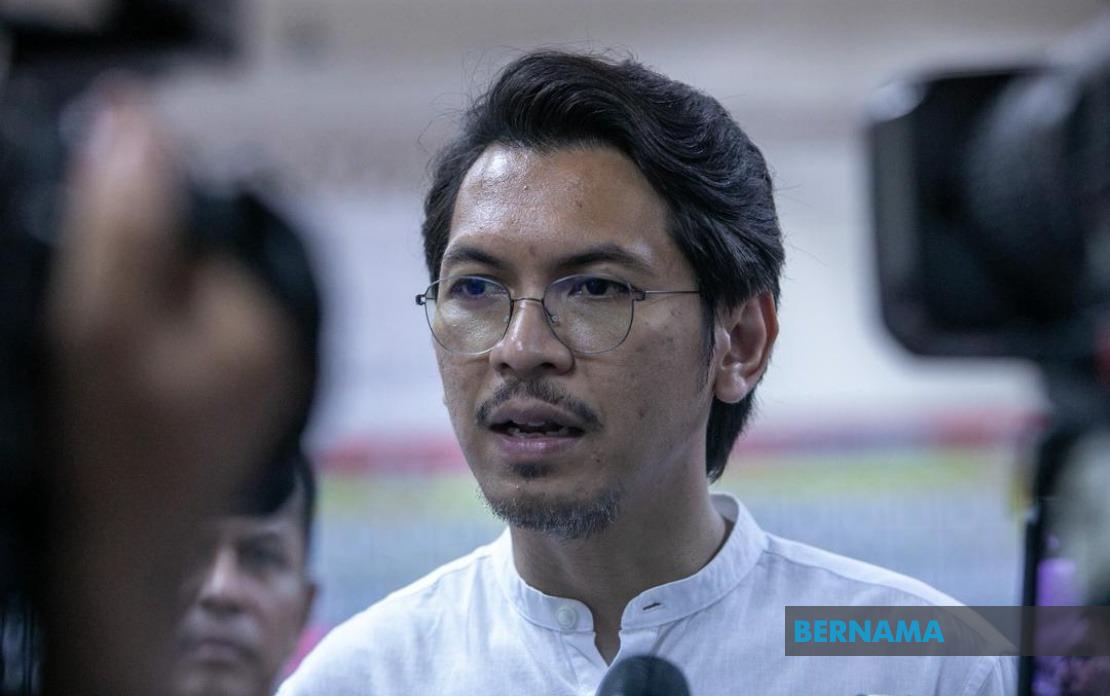
A memorandum of understanding between the United States and Iran holds promise for steadying global oil markets and benefiting Malaysia's economy, according to Muhammad Kamil Abdul Munim, Political Secretary to the Minister of Finance. Speaking at an official ceremony in Kuala Kangsar, Kamil acknowledged that while the diplomatic breakthrough represents a positive development, the practical impact on domestic energy prices will not materialise overnight, requiring patience as supply chains normalise and elevated operational expenses gradually decline.
The geopolitical tension between Washington and Tehran has created significant disruption to one of the world's most critical maritime corridors. The Strait of Hormuz, through which roughly one-fifth of global crude oil flows annually, has become increasingly perilous as sanctions and military posturing have raised insurance premiums, forced alternative routing, and created uncertainty for energy markets worldwide. Kamil welcomed the prospect of reopening established shipping lanes for both oil tankers and merchant vessels, signalling relief for trading nations particularly dependent on stable energy supplies. Malaysia, as a net importer of petroleum products, stands to benefit substantially from reduced transport risks and lower maritime insurance costs that typically get passed downstream to consumers.
However, the Political Secretary cautioned against expecting immediate price relief at the pump. The recovery period will be lengthy and multifaceted, encompassing not merely the resumption of normal shipping patterns but also the gradual unwinding of extra costs accumulated throughout the crisis period. Logistics expenses, transport fees, and insurance premiums that have climbed substantially during the period of heightened tension cannot instantly revert to pre-crisis levels. These elevated operational expenses represent real costs embedded in supply chains and will require time to normalise through market forces, meaning consumers should anticipate a gradual rather than sharp correction in energy prices.
Prime Minister Datuk Seri Anwar Ibrahim has already signalled optimism regarding the diplomatic initiative, expressing confidence that the peace agreement framework could chart a course toward resolving the broader Middle East conflict and establishing durable regional stability. The two nations have been granted a 60-day window to finalise a comprehensive agreement beyond the initial memorandum, a compressed timeline that reflects international urgency around resolving the crisis but also leaves room for negotiations to potentially falter. Kamil's measured commentary, while welcoming the development, reflects the Malaysian government's realistic assessment that diplomatic progress, while encouraging, does not immediately translate into market stabilisation.
The government has already implemented protective measures to shield Malaysian households from oil price volatility. The subsidised price of RON95 petrol has been maintained at RM1.99 per litre, a policy decision that distinguishes Malaysia from many regional peers forced to pass full cost increases to consumers. This pricing stability has insulated Malaysians from the worst effects of global energy market turbulence, though it represents a significant fiscal commitment for the government. Kamil indicated that the Economic Action Council will continue reviewing such interventions periodically, particularly over the crucial four-to-six-month window during which global markets are expected to fully adjust to improved geopolitical conditions.
A separate initiative addressing fuel subsidy distribution, the BUDI MADANI RON95 (BUDI95) programme, currently allocates 200 litres monthly to eligible recipients. This targeted assistance mechanism represents a transition toward more efficient, means-tested energy support rather than blanket subsidisation. Kamil signalled that the government intends to reassess the quota structure before determining whether to expand, maintain, or modify the allocation, with decisions explicitly linked to developments in international crude oil markets. This approach reflects fiscal prudence while acknowledging the need for flexibility as external conditions evolve.
Beyond immediate energy concerns, the government is pursuing broader strategic positioning in global markets. Prime Minister Anwar's planned official visit to Russia exemplifies Malaysia's effort to diversify economic partnerships and secure alternative energy suppliers. Russia possesses substantial oil reserves and significant economic capacity, making it a logical counterparty for a trading nation seeking to reduce dependency on any single source or region. For Malaysia, a relatively modest economy in global terms, cultivating relationships across multiple major powers—including traditional partners in the West and increasingly important players like Russia—reflects pragmatic positioning in an uncertain geopolitical environment.
The energy diversification strategy encompasses more than simple supplier substitution. It represents recognition that Malaysia's development trajectory depends on reliable, affordable energy supplies and that those supplies cannot be entirely dependent on any single corridor or political arrangement. The crisis in the Strait of Hormuz, even if resolved diplomatically, has exposed structural vulnerabilities in global energy distribution. By strengthening bilateral relations with energy-rich nations and exploring new trade channels, Malaysia positions itself to weather future disruptions while negotiating favourable terms with multiple suppliers competing for market share.
From Malaysia's perspective, the US-Iran peace initiative addresses immediate concerns about supply security and shipping safety while also highlighting the importance of diversified economic engagement. The next several months will be critical in determining whether diplomatic progress translates into market normalisation. During this period, government policies maintaining fuel price stability will remain essential for social cohesion and economic predictability. Simultaneously, longer-term energy security requires continuing the diversification efforts exemplified by strengthened Russia engagement, ensuring Malaysia is not excessively vulnerable to any single geopolitical crisis or supplier.
%22%2F%3E%3C%2Fpattern%3E%3C%2Fdefs%3E%3Crect%20width%3D%22100%25%22%20height%3D%22100%25%22%20fill%3D%22url(%23ph5sogmg)%22%2F%3E%3Crect%20width%3D%22100%25%22%20height%3D%22100%25%22%20fill%3D%22url(%23ph5sogmp)%22%2F%3E%3Ctext%20x%3D%2250%25%22%20y%3D%2250%25%22%20text-anchor%3D%22middle%22%20dominant-baseline%3D%22central%22%20fill%3D%22rgba(255%2C255%2C255%2C0.95)%22%20font-family%3D%22Georgia%2C%20'Times%20New%20Roman'%2C%20serif%22%20font-weight%3D%22700%22%20font-size%3D%22320%22%20letter-spacing%3D%22-0.02em%22%3EUS%3C%2Ftext%3E%3C%2Fsvg%3E)
%22%2F%3E%3C%2Fpattern%3E%3C%2Fdefs%3E%3Crect%20width%3D%22100%25%22%20height%3D%22100%25%22%20fill%3D%22url(%23ph1yj1qg)%22%2F%3E%3Crect%20width%3D%22100%25%22%20height%3D%22100%25%22%20fill%3D%22url(%23ph1yj1qp)%22%2F%3E%3Ctext%20x%3D%2250%25%22%20y%3D%2250%25%22%20text-anchor%3D%22middle%22%20dominant-baseline%3D%22central%22%20fill%3D%22rgba(255%2C255%2C255%2C0.95)%22%20font-family%3D%22Georgia%2C%20'Times%20New%20Roman'%2C%20serif%22%20font-weight%3D%22700%22%20font-size%3D%22320%22%20letter-spacing%3D%22-0.02em%22%3EPAS%3C%2Ftext%3E%3C%2Fsvg%3E)
%22%2F%3E%3C%2Fpattern%3E%3C%2Fdefs%3E%3Crect%20width%3D%22100%25%22%20height%3D%22100%25%22%20fill%3D%22url(%23ph3uy27g)%22%2F%3E%3Crect%20width%3D%22100%25%22%20height%3D%22100%25%22%20fill%3D%22url(%23ph3uy27p)%22%2F%3E%3Ctext%20x%3D%2250%25%22%20y%3D%2250%25%22%20text-anchor%3D%22middle%22%20dominant-baseline%3D%22central%22%20fill%3D%22rgba(255%2C255%2C255%2C0.95)%22%20font-family%3D%22Georgia%2C%20'Times%20New%20Roman'%2C%20serif%22%20font-weight%3D%22700%22%20font-size%3D%22151%22%20letter-spacing%3D%22-0.02em%22%3EPerikatan%3C%2Ftext%3E%3C%2Fsvg%3E)