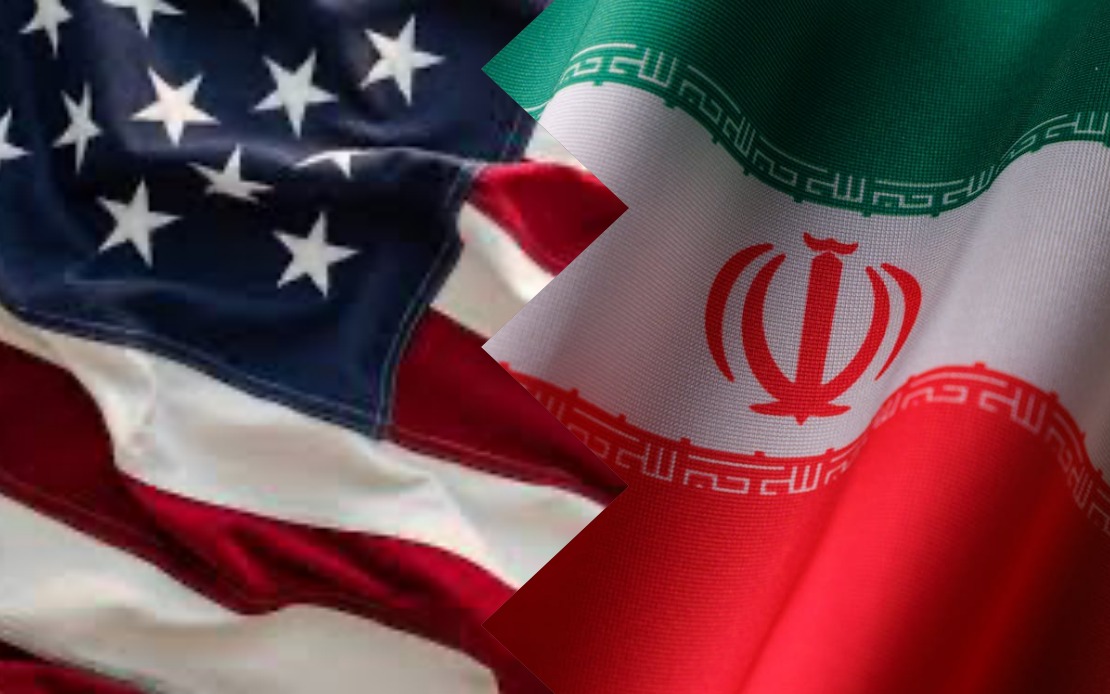
The United States military mounted a fresh offensive against Iran on Wednesday afternoon, marking the second phase of coordinated strikes within a short timeframe. According to the US military's Central Command (CENTCOM), American forces initiated operations at 3 p.m. Eastern Time targeting Iranian military installations and capabilities. The announcement underscored Washington's determination to project military power in one of the world's most strategically significant maritime zones, signalling an intensification of direct confrontation between the two adversaries.
CENTCOM specified that the strike campaign focuses on dismantling Iranian military assets positioned to threaten vessels navigating the Strait of Hormuz, one of the globe's most economically vital waterways. The strategic chokepoint, through which approximately one-third of seaborne traded oil transits daily, has become a focal point for regional military posturing. By targeting capabilities threatening free navigation through this corridor, the United States frames its military operations as protective measures for international commerce and the broader global economy rather than purely offensive actions.
President Donald Trump characterised the strikes as measures holding Iran "accountable" for its actions and regional behaviour. Earlier on Wednesday, Trump issued a pointed warning to Iranian leadership, emphasising that Washington had made its strategic position unmistakable and urging Tehran to "behave" responsibly. The rhetoric reflected a hardline approach, with Trump effectively communicating that further Iranian provocations would invite additional American military responses. This direct messaging strategy aims to establish clear red lines while demonstrating the costs of escalation.
The latest developments represent another chapter in an escalatory cycle spanning recent months. The underlying conflict traces back to February when coordinated United States and Israeli military operations targeted Iranian territory, triggering a visceral response from Tehran. Since then, the two nations have exchanged strikes in rapid succession, each action prompting countermeasures and threatening to spiral into open warfare. The pattern suggests neither side has found an off-ramp to de-escalation, with military options increasingly replacing diplomatic channels.
Pakistan had previously brokered a memorandum of understanding intended to arrest this dangerous trajectory and establish conditions for ending the escalating military exchange. However, the persistence of strikes indicates that the agreement has failed to restrain either party's willingness to employ force. The breakdown suggests deeper disagreements about fundamental security concerns and regional influence remain unresolved beneath the surface, making any ceasefire fragile without addressing underlying grievances.
For Southeast Asian observers, particularly Malaysia, the Strait of Hormuz confrontation carries profound economic implications. Malaysian shipping companies and energy importers depend heavily on uninterrupted passage through these waters. Any further deterioration of regional security could disrupt supply chains, elevate insurance costs for vessels transiting the waterway, and ultimately increase energy prices for consumers across the region. The Malaysian government has consistently advocated for freedom of navigation and opposed militarisation of international waters, making these developments directly relevant to national interests.
The escalation also reflects broader geopolitical realignments affecting Asia-Pacific stability. Major Asian economies including Malaysia, China, India, and Japan rely on reliable shipping corridors and stable energy supplies transiting the Middle East. Military tensions threatening these routes create uncertainty extending far beyond the immediate region. Any conflict expanding between the United States and Iran could trigger wider ramifications, drawing additional powers into confrontation and destabilising existing international frameworks for maritime commerce and energy security.
The timing of these strikes coincides with broader questions about American Middle East strategy under the Trump administration. The renewed emphasis on military pressure contrasts with previous attempts at diplomatic engagement under other administrations. This approach signals a return to policies prioritising deterrence and power projection over negotiation, potentially reshaping regional expectations about Washington's role as both security guarantor and mediator in Middle Eastern disputes. This recalibration has consequences for other American allies in the region and their strategic planning.
Iran's response to the second wave of strikes remains to be seen, but historical precedent suggests Tehran may seek reciprocal military action to preserve deterrence credibility and domestic political standing. Any further Iranian response would likely trigger additional American strikes, potentially establishing a dangerous pattern of tit-for-tat escalation with limited diplomatic off-ramps. The absence of meaningful dialogue channels or confidence-building mechanisms between Washington and Tehran increases risks of miscalculation or unintended consequences spiralling into larger conflict.
The international community, including regional powers and global trading nations, faces pressure to encourage restraint and revive diplomatic initiatives. Malaysia and other ASEAN members have stakes in regional stability and maritime security sufficient to justify active engagement in urging de-escalation. The current trajectory, if unchecked, threatens consequences extending well beyond the immediate combatants to encompass global economic stability and maritime commerce fundamental to Asian development.

