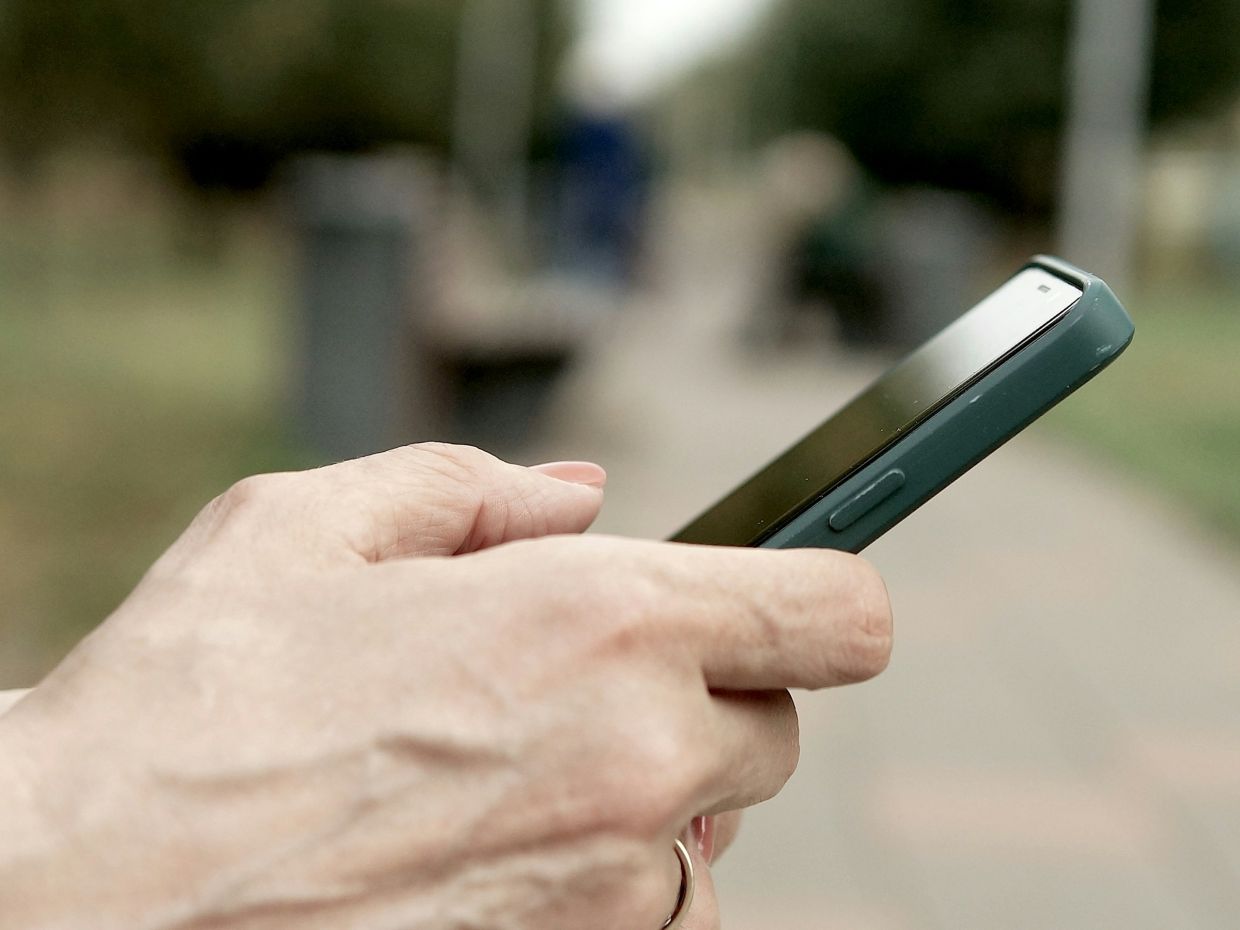
Samuel Tunick's decision to activate a security feature on his smartphone at Hartsfield-Jackson Atlanta International Airport has landed him in federal court facing a felony obstruction charge. The Atlanta resident allegedly provided customs officers with what is known as a duress passcode—a specially configured secondary code that, when entered, automatically erases all digital contents from an Android device. Federal prosecutors argue that by knowingly triggering this data destruction while authorities were interrogating him upon his return from vacation in the Dominican Republic on January 24 last year, he deliberately destroyed evidence. The case represents one of the earliest prosecutions of its kind, targeting not the underlying investigation but the act of using privacy-focused software to wipe a phone.
The self-destruct mechanism that triggered Tunick's legal troubles stems from open-source technology designed to operate similarly to security features found in spy fiction. In this instance, Tunick had installed GrapheneOS, a private mobile operating system compatible with certain Android phones, which includes the capability to configure a duress passcode separate from the standard unlock code. When an authorised duress code is entered, the device does not unlock as expected. Instead, the operating system initiates a complete and irreversible deletion of all digital data stored within, while leaving the physical hardware untouched. This distinction between destroying information and destroying the device itself sits at the heart of the legal controversy.
Federal prosecutors in Atlanta are relying on a rarely invoked statute that criminalises the destruction of evidence or the transfer of assets intended to prevent government seizure, as well as warning others about imminent searches or surveillance operations. The charge carries a maximum penalty of five years in federal prison, substantial fines, or both. The statute's broad language applies whether the prohibited conduct occurs before, during, or after an official search, though legal experts emphasise that the government must establish that the person acted with specific criminal intent to obstruct lawful authority. According to Columbia University law professor Daniel Richman, a former federal prosecutor, the critical element here involves the deliberateness of providing the wipe code to officials while knowing exactly what consequence would follow.
The prosecution's theory rests on treating digital data as property subject to seizure, much like intellectual property or physical evidence. From the government's perspective, the telephone itself constituted merely a container, while the information stored within represented the actual property they possessed lawful authority to seize. By inputting the duress code after being presented with an official demand, Tunick performed a concrete physical action that resulted in destruction of that property. This framing allows prosecutors to sidestep arguments about privacy expectations by focusing exclusively on the destruction itself rather than the underlying investigation or what information the authorities sought to examine.
Tunick's legal defence challenges the entire foundation of the government's authority to conduct the search in the first place. His attorneys contend that the initial seizure of his phone was unlawful, arguing that customs officers lacked proper justification for taking the device. Beyond procedural objections, they maintain that Tunick experienced an unlawful detention, was never afforded his constitutional rights warnings, and was repeatedly denied requests to consult with a lawyer during questioning. The defence also emphasises that even at an international border, American citizens retain fundamental constitutional protections that cannot be wholly suspended. This argument directly confronts the long-standing doctrine that customs and immigration authorities enjoy broad powers to search and seize devices without search warrants or court orders, based on the theory that travellers are not yet on US soil until authorised to enter.
Underlying Tunick's criminal prosecution is a significant political dimension that adds complexity to the case. His lawyers assert that he was targeted because of his public activism against Cop City, an ambitious police and fire training facility planned for a 1,000-acre stretch of urban woodland near Atlanta. Environmental and civil liberties groups have mounted substantial opposition to the project, arguing that the facility would militarise police tactics and eliminate irreplaceable green space in an urban area. Opponents contend that the training centre represents an excessive security state approach to law enforcement development. By framing Tunick's case around the technical act of data deletion rather than explicitly addressing the investigation's underlying focus, prosecutors may be attempting to avoid publicity regarding the political dimensions of their investigation.
Legal experts point out that the statute prosecutors selected carries significant tactical advantages compared to alternative charges. The statue chosen does not require the government to prove or explain what investigation prompted the phone seizure in the first place. Had prosecutors charged Tunick under a different statute that carries a heavier maximum penalty of twenty years imprisonment, federal rules would have compelled them to disclose details about their underlying investigation. By opting for the more narrowly focused obstruction charge, the government maintains flexibility in controlling what information becomes public about why Tunick was stopped and questioned. Richman observed that this prosecutorial choice suggests authorities may prefer to keep the investigation's specifics away from public scrutiny and courtroom disclosure.
The distinction between deleting data before an encounter with authorities and destroying it after being detained and questioned proves legally significant. If a traveller independently chose to erase their phone's contents before approaching an airport checkpoint simply because they wished to prevent government examination of personal files, legal scholars suggest they could mount a credible defence arguing absence of the specific criminal intent required by statute. The situation changes dramatically once an individual is actively stopped, detained, and being interrogated. At that point, intentionally providing a wipe code to officers whom one recognises as exercising official authority creates circumstances that squarely position conduct within statutory violation territory. This temporal element reflects law's traditional understanding that obstructing justice requires knowledge that an authorised official search or seizure is actually occurring or imminent.
The case raises profound questions about digital privacy expectations in an era when authorities increasingly seek access to personal devices at borders and airports. As technology becomes more sophisticated, individuals gain access to tools that provide enhanced security and privacy protections, yet these same tools now potentially expose users to criminal liability if deployed during official encounters. The tension between privacy rights and government investigative authority remains unresolved in American jurisprudence, particularly regarding border searches where courts have historically granted authorities wider latitude. Whether this prosecution succeeds at trial remains uncertain, but the case signals that federal authorities are prepared to pursue novel legal theories against privacy-protective technologies, establishing potentially significant precedent for how courts treat digital destruction in context of official detention and questioning.

