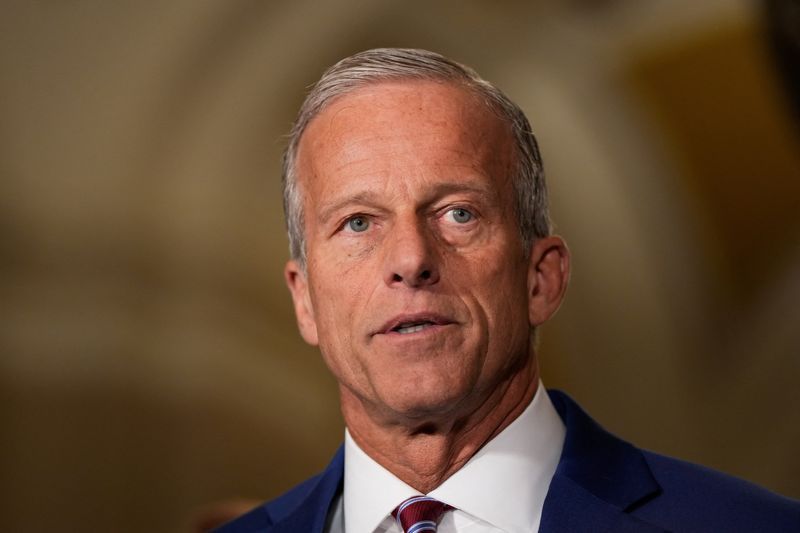
The United States Senate has taken a significant procedural step toward enacting sweeping cryptocurrency legislation, with Senate Majority Leader John Thune filing motions early Saturday to schedule a key vote on the Clarity Act for mid-September when lawmakers return from their August recess. The move signals that Republican leadership believes there remains a viable path to securing the 60 votes necessary for passage, despite substantial resistance from Democratic senators who have raised concerns about the bill's implications and the conflict of interest arising from Trump administration officials' personal crypto holdings.
The Clarity Act represents a watershed moment for digital asset regulation in the United States. The legislation would establish the first comprehensive federal rulebook governing cryptocurrencies, clarifying the regulatory treatment of different digital tokens and delineating which government agencies hold jurisdiction over various aspects of the crypto ecosystem. Specifically, the bill would define which tokens qualify as securities or commodities, a distinction with profound implications for how they are traded, taxed, and overseen. For an industry that has operated in regulatory ambiguity for over a decade, the law promises much-needed legal certainty and standardized compliance frameworks across state and federal levels.
Proponents within the cryptocurrency industry have long argued that such regulatory clarity is essential for mainstream adoption and institutional participation. By establishing transparent rules rather than leaving companies to navigate conflicting guidance from multiple agencies, the legislation could reduce legal risks and encourage major financial institutions to engage more actively in crypto markets. The industry demonstrated its commitment to this legislative priority by spending more than $119 million to support pro-crypto candidates during the 2024 election cycle, effectively placing cryptocurrency reform near the top of the national political agenda.
The bill's advancement would represent a major policy achievement for President Trump, who has made cryptocurrency reform a signature priority of his second administration. Trump's personal financial stake in crypto adds complexity to this situation. In June, he disclosed more than $1.4 billion in income from his family's cryptocurrency ventures, a windfall that critics argue creates an apparent conflict of interest when the administration aggressively champions pro-crypto legislation. Democrats have seized on this issue, arguing that government officials should face stricter restrictions on their own digital asset holdings while simultaneously shaping federal policy in the sector.
The path to 60 votes remains narrow and uncertain. Republicans control fewer than the 53 Senate seats needed for party-line passage, meaning the bill requires support from at least eight Democratic senators. Currently, many Democrats remain opposed to the Clarity Act, citing both the conflict-of-interest concerns and substantive policy objections. Negotiations on restrictions governing officials' crypto ventures remain fluid, and Democratic willingness to support the bill likely hinges on whether Republicans agree to strengthen such safeguards. This dynamic reflects broader questions about how to manage elected officials' financial interests in industries they regulate—a challenge not unique to cryptocurrencies but particularly acute given the nascent and volatile nature of digital asset markets.
The legislation would deliver a second major crypto policy victory for Trump following his signing of separate stablecoin legislation into law last year. Stablecoins, which are cryptocurrencies pegged to traditional currencies like the US dollar, have attracted growing interest from mainstream financial institutions and payment networks. By securing legal recognition for stablecoins and now potentially establishing broader regulatory frameworks through the Clarity Act, Trump's administration would have fundamentally reshaped the legal landscape for digital assets at the federal level.
The banking sector has emerged as a significant opponent of the Clarity Act, particularly regarding provisions that would allow cryptocurrency companies to offer rewards on customer holdings of stablecoins. Banks view such arrangements as direct competition for deposits and customer relationships, potentially fragmenting the traditional banking system's customer base. The banking industry has advocated for more restrictive language to prevent crypto companies from effectively functioning as deposit-taking institutions without the regulatory burdens and safety requirements that apply to traditional banks. This dispute reflects deeper concerns about financial system stability and consumer protection as cryptocurrencies increasingly intertwine with conventional financial infrastructure.
For Malaysian and Southeast Asian observers, the American legislative push carries important implications. As a region with substantial cryptocurrency adoption and growing fintech innovation, Southeast Asia watches closely how major economies regulate digital assets. A comprehensive US framework could influence regulatory approaches in countries like Singapore, the Philippines, and Indonesia, potentially establishing international standards for crypto oversight. Malaysian policymakers and financial regulators have their own considerations, particularly given the country's aspirations to develop a robust fintech ecosystem while protecting consumers and maintaining financial stability.
The Senate's procedural motion sets up what could be an intense legislative battle in mid-September. The vote does not guarantee passage, but rather schedules consideration of the bill. Republicans must intensify negotiations with wavering Democrats and solidify their own party ranks. Democrats may attempt filibusters or offer competing amendments reflecting their policy priorities. The specific language addressing ethics and conflicts of interest could prove decisive in determining whether enough Democrats ultimately support the measure.
The timing of this procedural motion suggests Senate Republican leadership believes the political environment remains favorable for advancing crypto legislation. The crypto industry's sustained lobbying efforts, the Trump administration's explicit support, and Republican enthusiasm for the bill collectively create momentum. However, the necessity of securing Democratic support introduces uncertainty that could delay or complicate final passage. The outcome of this legislative effort will shape not only America's approach to cryptocurrency regulation but also influence how other nations address the same complex policy questions about innovation, financial stability, and governmental oversight of emerging technologies.

