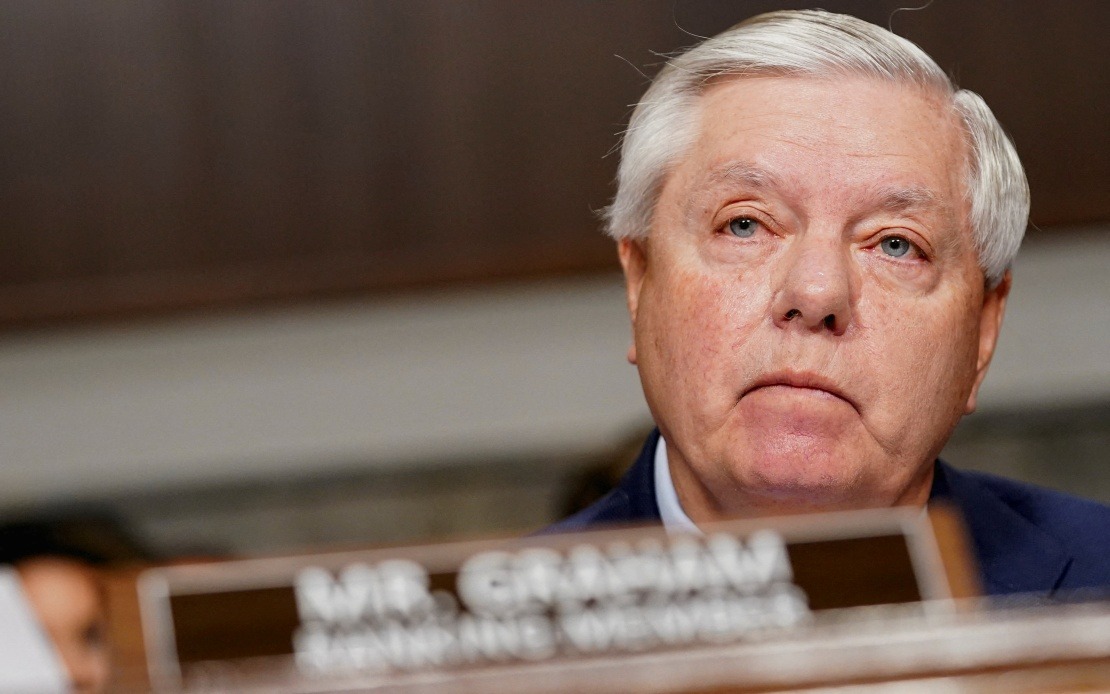
US Senator Lindsey Graham of South Carolina, a long-serving Republican lawmaker and prominent figure in American politics, has died at the age of 71 following what his office described as a brief and sudden illness. The announcement came on Sunday, July 12, with confirmation that Graham passed away on the evening of Saturday, July 11. His family has requested privacy during the difficult period ahead while expressing gratitude for prayers and support from the public.
Graham's political career spanned more than two decades in the upper chamber of Congress. First elected to the Senate in 2002, he secured reelection in three subsequent cycles—2008, 2014, and 2020—establishing himself as a fixture in Republican politics and a key voice on national security matters. His longevity in the chamber reflected his ability to navigate South Carolina politics and maintain electoral support across multiple election cycles spanning two decades of significant change in American politics.
At the time of his death, Graham held the position of chair of the Senate Budget Committee, a role that placed him at the centre of fiscal policy discussions and congressional budget negotiations. He was actively campaigning for a fifth consecutive six-year term in the November election, indicating his intention to continue serving in the Senate. The race would have extended his Senate tenure well into the coming decade, had he succeeded in the ballot.
Graham emerged as one of the most visible and influential figures within President Donald Trump's political orbit. Their alliance had been particularly evident in recent years, with Graham serving as a consistent supporter and advisor on matters ranging from judicial appointments to foreign policy. This close relationship positioned him as a significant player in shaping Republican strategy and Trump's legislative agenda in the Senate. The partnership had attracted considerable media attention and shaped policy discussions within the party.
International affairs formed a major component of Graham's legislative focus throughout his Senate career. His engagement with global security matters was demonstrated just days before his death when he undertook a visit to Kyiv, the capital of Ukraine. There, he held meetings with Ukrainian President Volodymyr Zelenskyy on Friday, July 10, continuing his pattern of active involvement in foreign policy discussions. The timing of this diplomatic engagement underscored his ongoing interest in international developments and Ukraine's situation amidst ongoing conflict.
Graham's sudden passing removes a significant voice from the Republican caucus at a critical moment in American politics. With the November election approaching and control of Congress at stake, the loss of an experienced senator and major fundraiser reshapes the dynamics within the party. His committee positions and influence over budget matters will require reassignment, affecting various policy initiatives under discussion in the chamber. The vacancy created will need to be filled through succession procedures under South Carolina law.
For Southeast Asian observers, Graham's death carries particular relevance given his historical engagement with regional security issues and Asia-Pacific matters. Over his years in the Senate, Graham participated in discussions affecting military alliances, strategic partnerships, and defence cooperation in the Indo-Pacific region, areas of direct concern to Malaysia and neighbouring nations. His voice on matters involving China's regional activities, maritime security, and alliance structures has influenced legislative perspectives on Asia-specific policy questions.
The sudden nature of Graham's illness and death raises questions about succession procedures and the potential impact on scheduled legislative business. South Carolina's governor will appoint a successor to serve until a special election determines who will complete the remaining term. This process will unfold against the backdrop of the broader political calendar and ongoing congressional work on significant issues including defence spending, fiscal policy, and international aid allocations.
Graham's record demonstrates the significant influence individual senators can exercise on national and international affairs. His involvement in budget oversight, military matters, and presidential advisory circles positioned him among the more consequential Republican legislators of recent decades. The loss of such an experienced and well-connected figure removes institutional knowledge and network relationships that took years to develop. These factors will ripple through both Republican leadership structures and Senate committee operations in the coming months.

