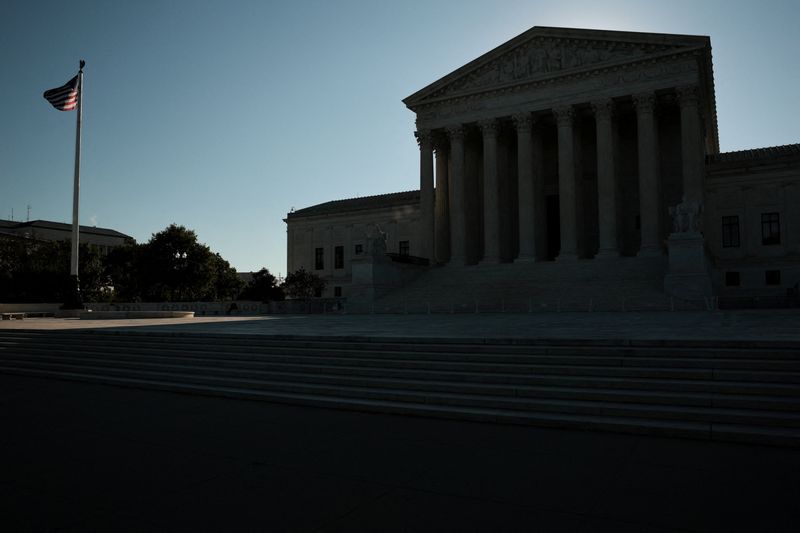
The US Supreme Court on Monday declined to hear an appeal from India-based Tata Consultancy Services challenging a $168 million damages award handed down by DXC Technology in a trade secrets dispute. The decision leaves intact the substantial judgment, which comprises $56 million in compensatory damages and $112 million in punitive damages awarded to the Ashburn, Virginia-headquartered technology company.
At the heart of the case is a 2019 lawsuit filed in Dallas federal court by DXC, whose predecessor Computer Sciences Corp had licensed life-insurance software to Transamerica during the 1990s. DXC alleged that Tata engaged in systematic misappropriation by hiring approximately 2,200 Transamerica employees and leveraging their knowledge of the proprietary system to develop a rival platform. Tata consistently denied wrongdoing, contending the information in question lacked secrecy protection and was accessed through lawful means.
A jury rendered a non-binding advisory verdict in 2023 recommending damages of $210 million for willful trade secret theft. US District Judge Brantley Starr subsequently reduced this figure to $168 million in 2024. The New Orleans-based 5th US Circuit Court of Appeals affirmed the lower court's decision in 2025, prompting Tata to seek Supreme Court intervention.
Tata's Supreme Court petition centred on two main arguments: that DXC should have been required to demonstrate direct losses to qualify for unjust enrichment damages, and that the punitive component of the award was disproportionately large. Under US law governing trade secrets, courts may award damages reflecting both the plaintiff's losses and the defendant's wrongful gains from misappropriation. The DXC judgment relied solely on the unjust enrichment doctrine.
DXC defended the judgment as a straightforward application of established legal principles that did not warrant higher court review. By refusing to grant certiorari, the Supreme Court effectively validated the appellate court's reasoning and allows the full award to stand.