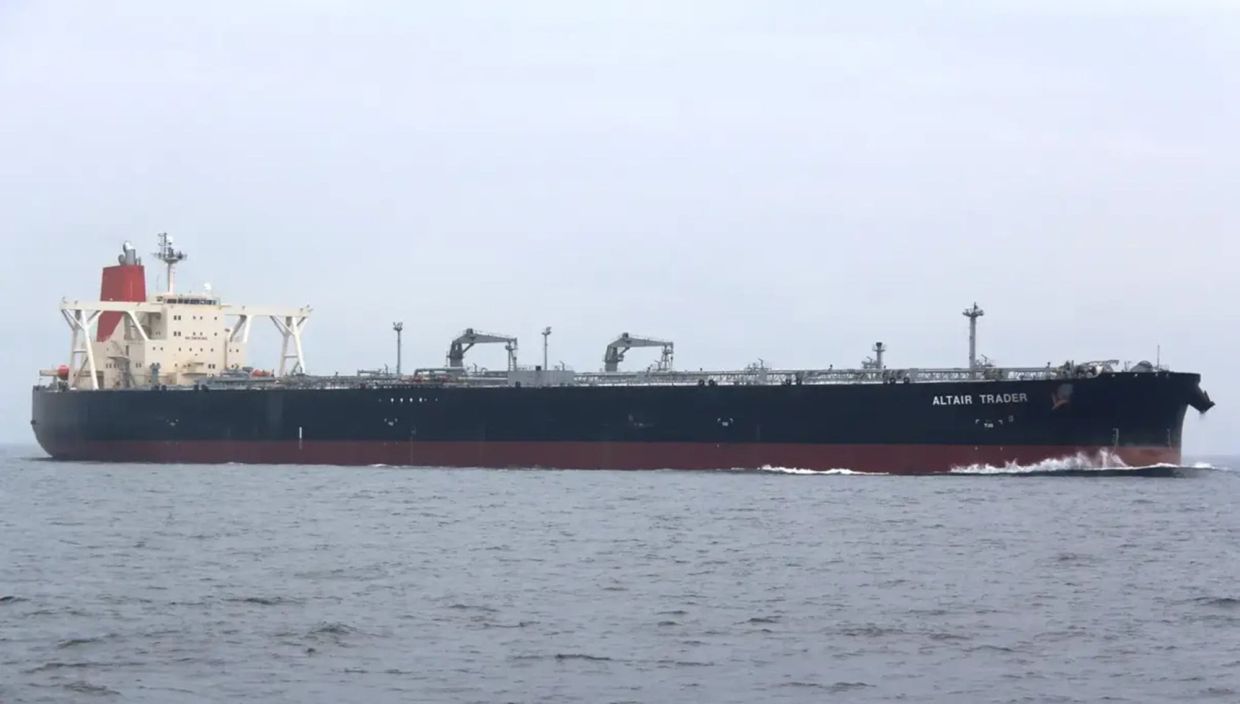
The United States launched a fresh round of economic sanctions targeting eight shipping enterprises with ties to mainland China and Hong Kong, accusing them of facilitating the transfer of Iranian crude oil and petrochemical products to Asia as part of Tehran's efforts to circumvent international restrictions. The coordinated action by the State Department and Treasury Department represents an escalation of Washington's campaign to disrupt Iran's ability to monetise its petroleum reserves, while simultaneously reinforcing the US Navy's enforcement operations along Iranian maritime boundaries.
According to Treasury Department assessments, six of the eight vessels identified in the designations transported Iranian crude specifically destined for Chinese ports, with some tankers moving millions of barrels throughout 2026. The targeted companies—one based in mainland China and five operating from or through Hong Kong—face asset freezes within the American financial system and restrictions on dealings with US entities and individuals. The action creates potential complications for foreign financial institutions, which risk secondary sanctions exposure should they facilitate transactions involving the designated firms, adding another layer of pressure on international banking relationships.
The sanctions architecture extends beyond shipping operators to encompass Iranian entities accused of operating what Washington characterises as coercive maritime insurance schemes. The Persian Gulf Marine Insurance Company and Hormuz Safe Marine Services Authority stand accused of extracting mandatory insurance premiums from commercial vessels transiting the Strait of Hormuz, one of the world's most strategically vital energy waterways. Treasury officials contend that these insurance products protect against risks deliberately manufactured by Iran itself, describing the arrangement as an extortion mechanism that generates revenue for the Islamic Revolutionary Guard Corps while imposing costs on legitimate global commerce.
China's immediate response rejected the allegations and condemned what Beijing characterises as Washington's pattern of abusing sanctions mechanisms to disadvantage Chinese enterprises. Liu Pengyu, spokesman for the Chinese embassy in Washington, asserted that Sino-Iranian commercial cooperation remains transparent and lawful, and therefore merits international acceptance rather than punishment. He pledged that Beijing would continue defending what it views as the legitimate rights of Chinese companies, signalling no intention to comply with American pressure to restrict trade relationships with Iran.
The designations carry significant implications for maritime commerce across Asia, particularly given the critical role of Chinese and Hong Kong shipping operators in regional trade networks. Qi Hang Ship Management Limited of mainland China and Hong Kong-based entities including Confident Apex Limited, Billion Nexus International, Nevada Spirit Company, and Marinova Freight now face operational constraints that could disrupt existing contracts and future business arrangements. The specific mention of vessels such as the Well Sail, Lily, Al Salmi, Breeze V, Natsumi, and Crystal provides detailed evidence of the alleged sanctions-evasion activities, establishing a clear documentary trail of crude movements across major shipping routes.
State Department officials framed the sanctions action as complementary to broader military enforcement strategies, explicitly linking economic designations to the US Navy's blockade operations against Iranian ports and coastlines. Tommy Pigott, the State Department spokesman, characterised the enforcement of navigational restrictions as a global interest requiring coordinated international support. This integration of economic and military pressure represents a comprehensive strategy intended to constrain Iran's financial capacity while raising the operational costs and risks for any shipping enterprise willing to engage in Iranian petroleum transactions.
Treasury Secretary Scott Bessent articulated the administration's assessment that Iran's economy faces severe financial strain, characterising the regime as desperate for revenue to sustain government operations and fund military institutions. By systematically dismantling the shadow fleet infrastructure and imposing costs on companies facilitating oil exports, Bessent argued, the US seeks to prevent Iran from financing what Washington views as destabilising regional activities conducted by the IRGC. The emphasis on the revolutionary guard corps reflects American concerns about Iranian military capabilities and proxy operations across the Middle East.
The targeting of Hormuz Safe Marine Services Authority, which reportedly accepts Bitcoin and other digital assets as payment, suggests Washington's recognition that Iran increasingly relies on non-traditional financial mechanisms to circumvent conventional banking sanctions. The company's development by Iran's Ministry of Economy and its provision of ostensibly protective services to transiting vessels represents a sophisticated attempt to monetise security concerns while generating revenue for state institutions. Treasury allegations characterise these arrangements as schemes where Iranian authorities simultaneously manufacture maritime risks and profit from the insurance products ostensibly designed to mitigate those risks.
For Malaysian readers and Southeast Asian policymakers, these sanctions developments carry several important implications. The extension of US enforcement actions into shipping networks operated by Chinese and Hong Kong entities creates potential complications for Malaysian maritime commerce, particularly given Malaysia's substantial shipping industry and its position within regional trade flows. Companies involved in energy trading or maritime services must carefully assess their exposure to designated entities and potential secondary sanctions risks from conducting business with blacklisted firms.
The sanctions also underscore the diverging approaches Washington and Beijing adopt toward Iran, reflecting broader geopolitical competition for influence across Asia. China's explicit refusal to align with American restrictions on Iranian trade demonstrates Beijing's commitment to maintaining independent foreign policy, even when facing potential economic consequences. For ASEAN nations seeking to balance relationships between the United States and China, these enforcement actions present diplomatic and commercial challenges, as regional companies must navigate conflicting regulatory environments and competing pressure from Washington and Beijing.
The insurance scheme allegations targeting Hormuz Safe and Persian Gulf Marine Insurance Company may prove particularly consequential for Southeast Asian shipping enterprises, as many regional vessels transit the Strait of Hormuz regularly. The characterisation of Iranian insurance products as coercive mechanisms could complicate the legitimate commercial calculations of Malaysian, Singaporean, and other regional shipping operators, who must determine whether accepting Iranian maritime insurance coverage creates sanctions compliance risks or secondary sanctions exposure.
Looking forward, the escalating nature of US sanctions enforcement suggests Washington intends to progressively increase the costs and operational complications facing Iran's oil export capacity. Each new designation adds to the list of entities beyond which international commerce providers must avoid, effectively tightening the cordon around Iranian petroleum markets. China's resistance to these restrictions combined with its capacity to absorb Iranian oil exports positions Beijing as an increasingly critical destination for Tehran's petroleum revenues, fundamentally reshaping energy trade patterns across Asia and reinforcing the structural realignment of global commerce away from US-centred financial systems.

