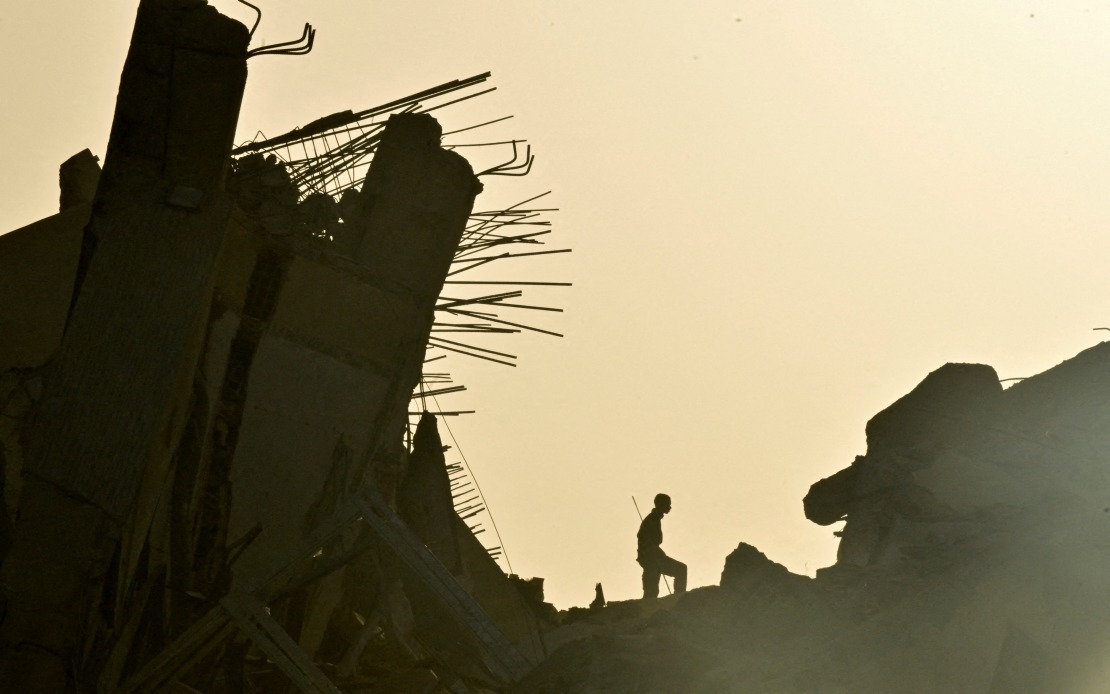
Venezuela is grappling with a catastrophic humanitarian crisis following twin earthquakes that have claimed at least 1,450 lives and left more than 3,200 people injured, according to official assessments released on Sunday. The back-to-back tremors, measuring 7.2 and 7.5 in magnitude, struck the nation on Wednesday with devastating force, triggering hundreds of subsequent aftershocks that have further destabilized already damaged structures and complicated ongoing rescue operations.
The geographical focus of destruction has centered on Venezuela's densely populated coastal zones, particularly the state of La Guaira and the capital city of Caracas, where entire residential and commercial districts have been reduced to rubble. According to National Assembly President Jorge Rodríguez, thousands of individuals remain unaccounted for and are believed to be entombed beneath collapsed debris, a grim reality that intensifies the urgency surrounding search and rescue efforts. The tremors triggered 430 aftershocks in total, each one posing additional dangers to rescue personnel and potentially causing further structural collapses that could claim more lives.
The scale of international response underscores the severity of Venezuela's predicament. Approximately 30,000 emergency personnel from within Venezuela have been mobilized, complemented by 2,700 specialized rescue experts from 24 foreign nations who have traveled to assist in the arduous work of locating and extracting survivors. Despite this massive coordinated effort involving diverse teams, medical specialists, and search dog units, the passage of time presents an increasingly bleak outlook for those buried alive. Rescue professionals have emphasized that the statistical likelihood of discovering living survivors diminishes dramatically after 72 hours have elapsed, placing enormous pressure on all personnel involved to accelerate their operations before this critical threshold passes.
The infrastructure devastation has been comprehensive and systematic. Damage assessments reveal that more than 2,500 buildings have either completely collapsed or sustained severe structural damage requiring demolition or extensive reconstruction. Among the most alarming figures is the destruction of healthcare infrastructure, with 38 hospitals either destroyed or rendered inoperable, precisely when medical resources are most desperately needed to treat the injured and prevent secondary casualties from disease and infection. Additionally, approximately 780 residential homes have been obliterated, displacing tens of thousands of families and creating an immediate crisis of homelessness alongside the ongoing loss of life.
The implications for Venezuelan society extend far beyond the immediate death toll and physical destruction. The collapse of so many hospitals threatens to overwhelm whatever medical capacity remains functional, potentially leading to preventable deaths among the injured who might otherwise survive with adequate treatment. The psychological trauma inflicted upon survivors and families searching for missing relatives will persist long after rescue operations conclude, creating a secondary humanitarian emergency focused on mental health and social cohesion. For Malaysia and other Southeast Asian nations maintaining diplomatic and trade relationships with Venezuela, this disaster serves as a stark reminder of the region's seismic vulnerability and the importance of robust disaster preparedness infrastructure.
The scale of this catastrophe invites comparative reflection on how vulnerable nations across the Pacific Ring of Fire, including those in Southeast Asia, must continuously strengthen their earthquake response capabilities. Venezuela's experience demonstrates that even with substantial international assistance, coordination challenges and logistical constraints can impede rescue effectiveness. For Malaysian policymakers and disaster management authorities, Venezuela's tragedy underscores the critical importance of maintaining up-to-date building codes, conducting regular infrastructure inspections, and investing in advanced early warning systems that could provide crucial seconds of advance notification to residents and emergency services.
Rodríguez's acknowledgment that thousands remain trapped beneath rubble reflects the incomplete picture that rescue coordinators currently possess. In the immediate aftermath of major seismic events, communications infrastructure typically fails, making it impossible to establish precise casualty figures or determine with certainty how many individuals have been affected. The fluid nature of these statistics means that final death tolls could climb substantially as search operations progress and as secondary effects such as disease, malnutrition, and untreated injuries claim additional lives in the weeks following the initial tremors. International humanitarian organizations are already positioning supplies and personnel to address these secondary crises, recognizing that the post-disaster phase often proves as lethal as the initial catastrophe.
The rapid international mobilization of rescue resources reflects contemporary global disaster response protocols, yet also exposes persistent gaps in preparedness. The 24-country coalition providing assistance demonstrates international solidarity, but also highlights how dispersed expertise and resources must be when a single nation faces a disaster of this magnitude. For Venezuela's government, managing the expectations and coordination of this multinational effort while simultaneously attending to domestic crisis management requires diplomatic finesse and administrative sophistication. The success or failure of this coordinated response will establish precedents for future regional disasters and may influence how Southeast Asian nations approach cross-border disaster cooperation mechanisms.

