Vietnamese authorities have escalated their crackdown on corruption within the agricultural sector, apprehending four people including Deputy Minister of Agriculture and Environment Hoang Trung as part of an ongoing investigation into illicit practices surrounding durian shipments destined for China. The Ministry of Public Security's announcement signals the government's determination to address systemic malfeasance that has compromised one of Vietnam's most lucrative export commodities and threatened the nation's standing as a reliable supplier to its largest trading partner.
Hoang Trung stands accused of exploiting his ministerial authority by sanctioning unlawful policies, particularly through the creation of unauthorised "sub-licences" that allegedly channelled benefits to politically connected interests. These unlawful arrangements are believed to have generated substantial illegal profits from durian export operations. Alongside Trung, Nguyen Quang Hieu, who serves as deputy head of the department of crop production and plant protection, faces identical accusations of misconduct stemming from the same export certification network. Two additional agricultural ministry personnel have been detained on separate charges of fabricating official documentation, rounding out the quartet of detainees announced by police.
The Communist Party moved swiftly to sever its relationship with Hoang Trung, expelling him from membership this week according to state media reports. This administrative action underscores how seriously party leadership views the allegations and reflects broader efforts to demonstrate commitment to anti-corruption measures within government ranks. Such expulsions signal that high-ranking officials are not insulated from accountability, though observers will note that party discipline and criminal prosecution operate through separate channels in Vietnam's political system.
Investigators have identified the Center for Testing, Certification and Quality Services, operating under the agriculture ministry's purview, as the focal point of the scheme. Two private enterprises—NhoNho Technology Co. and Thuy Fruit Co.—also feature prominently in the expanding probe, which reportedly involved the detention of eight individuals during the previous year. The certification irregularities appear to have created pathways for unqualified or substandard shipments to reach Chinese importers while legitimate producers faced competitive disadvantages, a dynamic that officials say has inflicted measurable harm on the broader durian export community.
Government statements characterise the fallout from these corrupt practices as exceptionally damaging, extending beyond financial loss to encompass harm to Vietnam's international reputation as a dependable agricultural exporter. The breaches allegedly resulted in "serious damage" to the legitimate rights of durian growers and exporters, alongside "exceptionally large" losses to the state budget. Perhaps most troubling for policymakers, the corruption has cast a shadow over Vietnam's entire agricultural sector precisely when maintaining market confidence is paramount. Chinese authorities have demonstrated increasing vigilance regarding food safety and regulatory compliance, meaning any scandal affecting supply chains poses genuine risk to market access.
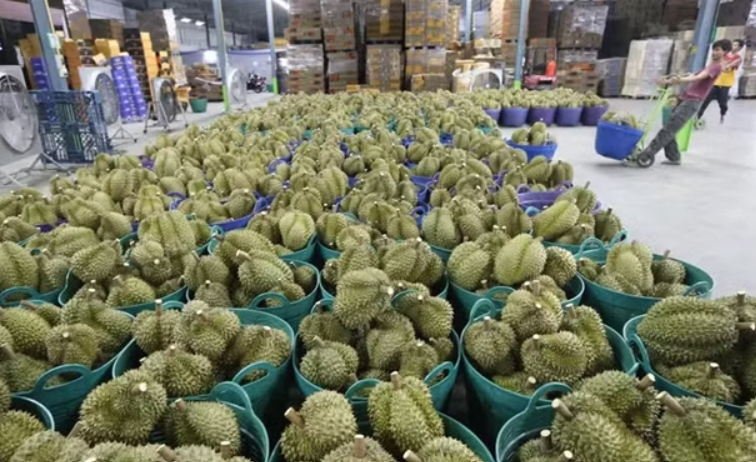
The durian trade represents an outsized portion of Vietnam's agricultural export portfolio, particularly to China. During the five-year span from 2021 through 2025, Vietnam exported in excess of three million tonnes of fresh durian and approximately 190,000 tonnes of processed frozen durian, with China accounting for more than ninety-five percent of total export volumes. This overwhelming concentration of demand within a single market creates both extraordinary opportunity and considerable vulnerability. Any disruption to Vietnamese durian's reputation or market standing could devastate rural livelihoods across the country's major producing regions.
The timing of these detentions reflects Vietnam's defensive position in maintaining access to the Chinese market amid intensifying scrutiny of export quality standards and plant health regulations. Beijing has periodically tightened phytosanitary requirements and quality controls, using food safety justifications that critics sometimes view as protectionist measures. In such an environment, the emergence of a certification fraud network appears catastrophically counterproductive, handing Chinese regulators legitimate grounds to impose stricter inspections or temporary import restrictions on Vietnamese durians. The government's visible enforcement action may serve to reassure Chinese authorities that Vietnam takes import compliance seriously, though remedial measures will likely extend far beyond these initial arrests.
Neither the Ministry of Agriculture, nor the two implicated private companies have offered public statements regarding the allegations or their involvement in the investigation. This silence may reflect legal counsel advice during active investigations, or it could indicate the gravity of circumstances facing the organisations concerned. Industry observers anticipate that broader structural reforms to the certification apparatus will follow once criminal proceedings conclude, potentially affecting how durian exports are processed, tested, and authorised for shipment to international markets.
The investigation underscores how corruption within government regulatory institutions can undermine entire economic sectors by eroding the trust mechanisms that international trade depends upon. For Southeast Asian exporters competing in global markets, the Vietnamese durian case offers sobering lessons about the commercial costs of governance failures. Malaysia and Thailand, which also export tropical fruits to China, will likely monitor the Vietnamese situation closely to assess whether similar vulnerabilities exist within their own certification and export oversight systems. The episode also highlights how corruption rooted in domestic politics can translate into tangible economic consequences affecting farmers, exporters, and government revenues across multiple tiers of the economy.

