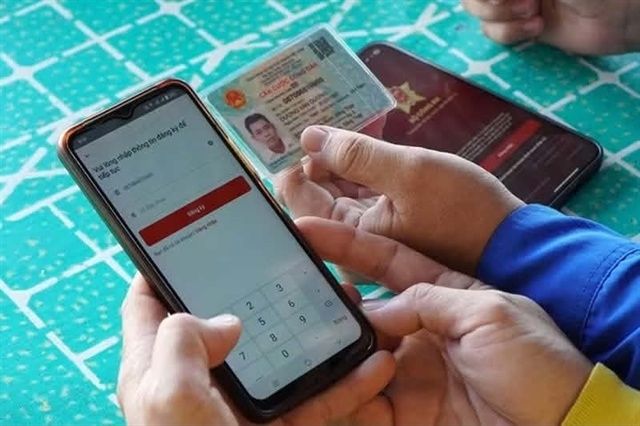
Vietnam has taken a significant step towards modernising its digital governance framework by introducing a new government decree that extends electronic identification privileges to foreign nationals, marking a notable shift in the country's approach to digital inclusion and administrative efficiency. The policy, set to commence on September 28, 2026, reflects Hanoi's commitment to streamlining identification systems and reducing bureaucratic friction for both residents and expatriates navigating Vietnamese administrative processes.
Under the revised framework, any foreign national who has legally entered or maintains lawful residence within Vietnam may now request an electronic identification account at any of the available security levels. This expansion represents a departure from previous restrictions that typically confined digital identity services primarily to Vietnamese citizens, thereby potentially facilitating smoother integration of foreign workers, students, investors, and long-term residents into Vietnam's increasingly digital economy and society.
The decree simultaneously addresses a persistent administrative challenge by amending core principles governing digital identification and authentication. Notably, it eliminates the requirement for individuals and organisations to repeatedly submit supporting documentation when relevant information has already been consolidated within the national system. This streamlining measure represents a practical recognition that duplicate document collection creates unnecessary friction and inefficiency in an era when digital data integration should be seamless across government agencies.
Domestic provisions within the decree establish tiered access structures based on age and citizenship status. Vietnamese citizens aged six and above who possess valid citizen identity cards or standard identification documents may obtain Level 1 or Level 2 electronic accounts upon application. Children under six with issued identity cards are restricted to Level 1 accounts, a distinction reflecting security and verification protocols appropriate for younger users. These provisions create a comprehensive digital identity ecosystem encompassing the entire Vietnamese population across age demographics.
Corporate and institutional entities also benefit substantially from the revised framework. Any agency or organisation legally established or registered to operate within Vietnam may now access electronic identification accounts at any security tier. This extension recognises that businesses, non-governmental organisations, and public institutions increasingly require robust digital authentication mechanisms to function effectively in contemporary Vietnam's competitive economy.
The decree introduces substantial expansion to Vietnam's document integration framework, establishing that 66 categories of documents issued to individuals can now be consolidated and updated through the national identification application. These encompass foundational documents such as birth certificates and residence certificates, travel documents including ordinary passports and visa documentation, and essential licensing records such as vehicle registration certificates, driving licences, and investment authorisation documents. This comprehensive list reflects the scope of government-issued documentation that Vietnamese citizens regularly navigate throughout their lives.
Equally significant, the framework now incorporates 140 categories of documents pertaining to agencies and organisations, substantially exceeding the volume of individual documentation categories integrated into the system. These institutional documents include certificates of seal specimen registration, official identification name certificates, business licences across various classifications, and export-import authorisation documents. This expansive institutional documentation portfolio underscores Hanoi's recognition that corporate digital verification requires equally comprehensive integration as individual authentication.
For Southeast Asian and international observers, Vietnam's electronic identification expansion carries broader implications regarding digital governance trajectories across the region. The policy demonstrates how upper-middle-income nations in the region are leveraging digital infrastructure to enhance administrative efficiency whilst maintaining security protocols through tiered access levels. The integration of foreign nationals into digital systems suggests Vietnam recognises that contemporary economies require seamless identification mechanisms for expatriate workers and investors who increasingly drive economic growth and innovation.
The Malaysian context provides instructive parallels and distinctions. Vietnam's approach to document integration reflects similar ambitions to Malaysia's digital transformation initiatives, though implementation timelines and technical infrastructure may differ across the two nations. Malaysian readers and policymakers might observe how Vietnam's tiered approach to electronic identification—permitting multiple security levels rather than imposing uniform access standards—offers flexibility that accommodates diverse user categories and security requirements.
The September 2026 implementation date provides Vietnam with an extended runway for technical preparation, agency coordination, and stakeholder communication. This deliberate timeline contrasts with more rapid digital rollouts elsewhere in Southeast Asia, suggesting Vietnamese authorities prioritise comprehensive system testing and phased deployment over expedited implementation. Such measured approaches typically yield more resilient digital infrastructure, though they extend transition periods during which parallel legacy systems must operate concurrently.
International business communities operating within Vietnam may experience material benefits from streamlined authentication processes. Multinational corporations, outsourcing service providers, and foreign-invested enterprises increasingly depend on robust digital identification for employee verification, transaction authentication, and regulatory compliance. Vietnam's expanded electronic identification framework potentially reduces friction in these operational domains, indirectly enhancing Vietnam's competitiveness as an investment and employment destination relative to regional peers with less developed digital identity infrastructure.
The decree's implications extend beyond administrative convenience towards addressing contemporary governance challenges related to cybersecurity, fraud prevention, and regulatory oversight. By consolidating diverse documentation categories within centralised digital systems, Vietnamese authorities gain enhanced capacity to verify identity claims, prevent document forgery, and maintain comprehensive administrative records. These capabilities assume heightened importance as Vietnam's economy integrates further into global value chains and faces escalating cybersecurity threats alongside opportunities from digital transformation.
Looking forward, Vietnam's electronic identification expansion exemplifies how middle-income nations throughout Southeast Asia are leveraging digital infrastructure investments to enhance administrative efficiency, facilitate economic participation, and strengthen regulatory oversight. The framework's extension to foreign nationals and residents signals policy recognition that contemporary economies function most effectively when identification systems accommodate diverse population categories rather than restricting access narrowly to citizen populations. This philosophical shift aligns Vietnam with broader regional and global trends emphasising inclusive digital governance architecture.

