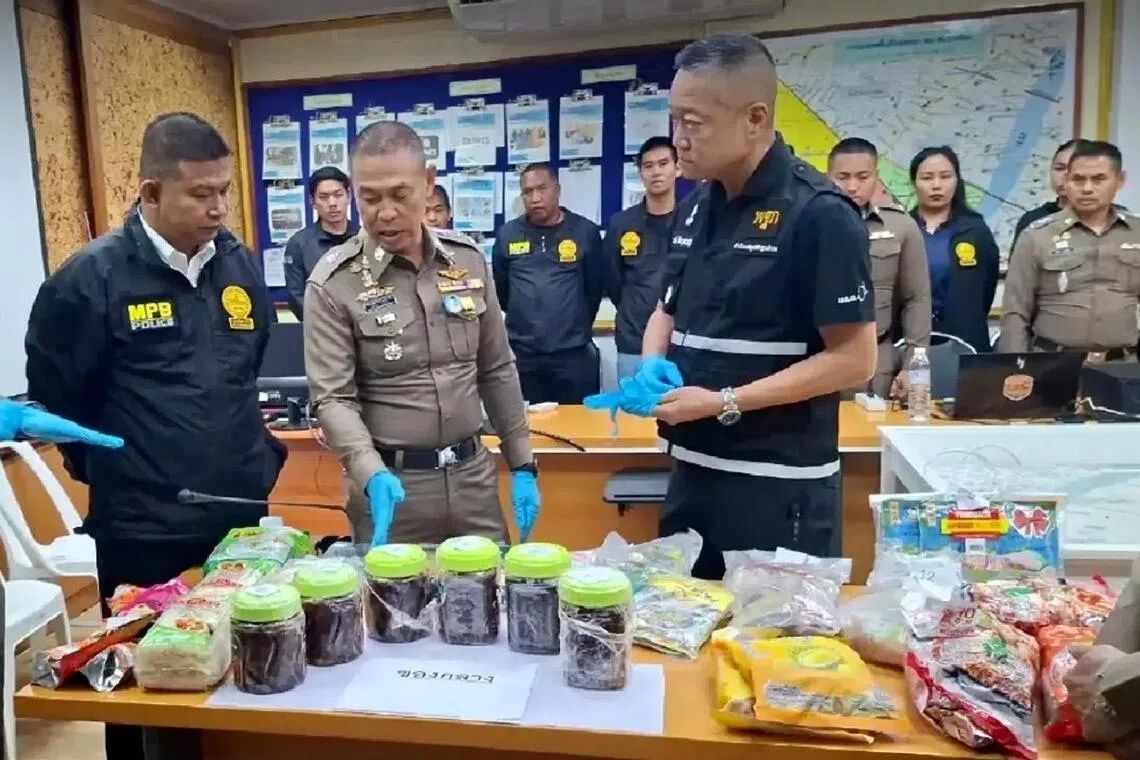
Thai authorities have exposed a sophisticated cross-border methamphetamine operation in which a Vietnamese criminal network strategically used Thailand as a logistics hub to smuggle crystal methamphetamine hidden inside tamarind paste containers destined for Japan. The case, revealed by Bangkok's Metropolitan Police Bureau on July 17, demonstrates the evolving tactics employed by organised drug syndicates seeking to exploit Southeast Asia's porous borders and the trust placed in seemingly innocuous food products.
The investigation commenced after a courier contracted to transport goods internationally became suspicious of several tamarind jars earmarked for delivery to Tokyo. The individual, who earned money by carrying merchandise overseas, grew alarmed at the unusual heaviness of the containers and decided to report the matter to police on July 13. This intervention proved crucial in disrupting what investigators believe was an ongoing operation capable of distributing significant quantities of controlled substances across the region.
When Bangkok Metropolitan Police Division 7 examined the tamarind jars, officers discovered six foil-wrapped packages ingeniously concealed within the paste. Laboratory testing subsequently confirmed the packages contained over two kilogrammes of crystal methamphetamine, commonly referred to as ice on the street market. The discovery underscores how drug traffickers continually adapt their concealment methods, exploiting the high volume of agricultural exports flowing through Thailand to mask illicit shipments destined for lucrative overseas markets like Japan.
Police investigators determined that the criminal network operated with a hierarchical structure designed to insulate leadership from operational exposure. Vietnamese nationals allegedly orchestrated the entire scheme from Hanoi, directing activities remotely through the anonymity afforded by social media platforms. The operational model relied on contracting anonymous delivery riders via Facebook to collect packages from residences occupied by Vietnamese expatriates throughout Thailand, effectively creating layers of separation between the conspiracy's architects and the final couriers responsible for international transport.
This compartmentalisation strategy reflects sophisticated money-laundering and operational security practices increasingly observed in transnational drug networks. By employing multiple intermediaries with minimal direct contact, the organisers sought to prevent law enforcement from establishing clear connections between leadership and actual drug shipment. Thai couriers recruited for the final leg of delivery appeared to have limited knowledge of their cargo's true contents, a common technique that potentially shields lower-level participants from the most serious trafficking charges while maintaining plausible deniability at higher echelons.
Financial investigation revealed that operational expenses and compensation payments flowed through a bank account registered to Sompong, a Thai national subsequently arrested in connection with the ring. Vietnamese operatives allegedly made systematic cash withdrawals ranging from 20,000 to 50,000 baht at intervals before promptly departing Thailand for Vietnam. This pattern of repeated withdrawals and rapid international movement appeared designed to avoid triggering banking system alerts while simultaneously making forensic accounting more challenging for investigators attempting to reconstruct transaction histories and establish financial accountability.
Police believe the operational structure involved a minimum of four primary individuals working in coordinated roles spanning hierarchy, logistics, financial management, and international courier functions. Arrest warrants have been issued for Sompong and three Vietnamese nationals suspected of participating in money withdrawals, managing the anonymous social media accounts used for hiring couriers, or directing specific aspects of the trafficking operation. Sompong has maintained his innocence regarding the allegations, though investigative authorities appear confident in their evidentiary foundation.
The investigation also identified Sompong's girlfriend as a person of interest, though authorities have not named her in any arrest warrant. Investigators suspect she possessed knowledge of the operation's existence and potentially facilitated certain activities, though the extent of her involvement remains under examination. This aspect of the case highlights how drug syndicates often entangle family members and intimate partners in their operations, sometimes deliberately and sometimes through proximity and circumstance.
For Malaysian law enforcement and Southeast Asian security analysts, this case illuminates several critical patterns. The exploitation of Thailand as a transit point reflects the country's geographical centrality and its role as a major food export hub, making it ideal cover for contraband movement. The targeting of Japan as a destination market indicates the continued demand for crystal methamphetamine in East Asian jurisdictions where the drug commands premium prices. The use of trusted food products like tamarind paste suggests traffickers conduct careful market research regarding which commodity categories receive the least invasive inspections at international borders.
The modus operandi also demonstrates how traditional organised crime structures increasingly employ modern technology and social media platforms to coordinate illicit activities while maintaining operational anonymity. Police agencies across the region face mounting challenges in monitoring digital communications and financial flows that intentionally obscure criminal responsibility. The compartmentalised hiring model using anonymous Facebook accounts represents a deliberate effort to render surveillance ineffective and investigation laborious.
From a policy perspective, this investigation underscores why regional cooperation on drug trafficking matters remains essential. The involvement of Vietnamese organisers, Thai facilitators, and Japanese end-markets highlights the interconnected nature of methamphetamine distribution networks spanning multiple jurisdictions and requiring coordinated international response. Thailand's position as a crucial fulcrum in these networks makes strengthening border controls, enhancing customs inspection protocols for food products, and improving financial surveillance capabilities increasingly vital priorities.
The case also raises questions about the vulnerability of unwitting couriers, some of whom may genuinely remain unaware of their cargo's true nature. This exploitation of economically desperate individuals seeking modest income through courier work represents a cynical facet of international trafficking operations. Greater protections for individuals engaged in cross-border courier services, coupled with public awareness campaigns about manipulation tactics, might reduce recruitment success rates for criminal syndicates.
As investigations continue and authorities pursue the identified suspects, this case will likely yield additional intelligence about the operational scope and international reach of Vietnamese-led methamphetamine networks targeting Southeast Asian and East Asian markets. The successful interdiction demonstrates that law enforcement vigilance and willing reporting from suspicious individuals remain effective countermeasures, even as traffickers grow increasingly sophisticated in their concealment and operational security methods.

