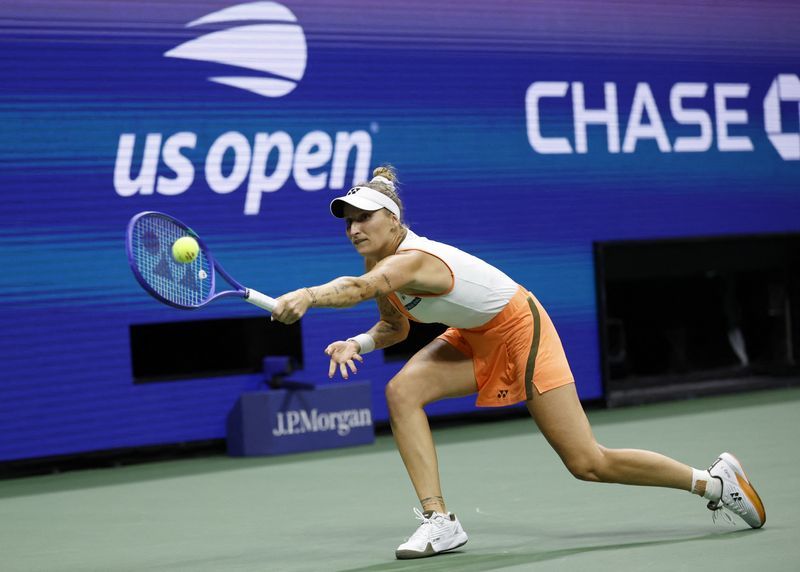
Marketa Vondrousova, the Czech tennis player who captured the Wimbledon title in 2023, has initiated legal proceedings at the Court of Arbitration for Sport to overturn a four-year suspension imposed on her for declining to undergo an out-of-competition doping test. The world's highest sporting tribunal confirmed receipt of the appeal on Tuesday, though organisers have not yet scheduled a hearing to examine her case.
The controversy stems from an incident in December when a doping control officer arrived unannounced at Vondrousova's residence at 8:15 p.m. and requested an immediate sample. The 27-year-old chose not to comply with the demand, leading to the International Tennis Integrity Agency charging her with missing a test—a violation of anti-doping regulations. The ban was formally handed down in June, effectively sidelining one of recent tennis's most accomplished players during her competitive peak years.
Vondrousova's response to the ban has centred on the circumstances surrounding the test attempt rather than denying her commitment to clean sport. In statements released in April, she described reaching a psychological and physical breaking point after enduring months of considerable stress, framing the late-evening intrusion at her home as an unreasonable invasion of her privacy. She has consistently maintained that she has never engaged in doping and pointed to the negative result of a voluntary test she underwent three days after the December 3 incident as corroboration of her position.
The suspension, which will keep her sidelined until June 21, 2030, represents a significant career disruption for a player still in her prime. At the time the ban takes effect, Vondrousova will be 30 years old, potentially unable to compete during years that might otherwise represent her remaining window for major title runs and tournament victories. For context, her achievements before the suspension underscored her status among elite competitors—she previously reached the French Open final in 2019, secured a silver medal at the Tokyo Olympics in 2021, and claimed the prestigious Wimbledon crown just two years ago.
The timing of her absence from professional tennis compounds concerns about her career trajectory. Vondrousova has been absent from competition since January, when she withdrew from the Adelaide International citing a shoulder injury. This extended period away from the circuit has already taken a measurable toll on her competitive standing; her world ranking has plummeted from a career-high position of number six to 153 in the current standings. The combination of the injury layoff and the subsequent ban threatens to erase years of accumulated ranking points and competitive momentum.
The appeal to CAS represents a critical juncture for Vondrousova's future in professional tennis. The Court of Arbitration for Sport operates as an independent tribunal designed to resolve disputes in international sport through fair and neutral adjudication. Cases involving anti-doping violations fall within its jurisdiction, and the court has authority to uphold, modify, or overturn sanctions imposed by sporting bodies. Her legal team will need to construct an argument that addresses both the procedural aspects of the testing process and the substantive questions surrounding whether non-compliance in this specific context warrants the maximum four-year suspension available under tennis regulations.
For Malaysian and Southeast Asian tennis enthusiasts, this case underscores the complexities and sometimes contentious intersection between anti-doping enforcement and players' rights. The broader region has developed growing interest in professional tennis, with several athletes competing at international levels and following developments in the sport closely. Vondrousova's situation raises questions about testing protocols, the reasonable expectations placed on athletes regarding compliance, and whether current anti-doping frameworks adequately balance the legitimate interests of sporting integrity with the personal circumstances and privacy considerations of competitors.
The case also highlights tensions within international sports governance regarding strict liability principles in anti-doping rules. Tennis, like most major sports, operates under a strict liability standard whereby athletes bear ultimate responsibility for compliance with testing protocols regardless of intent or mitigating circumstances. Vondrousova's appeal implicitly challenges whether this framework operates fairly when applied to situations involving unscheduled home visits and demands for immediate testing. Her legal arguments will likely focus on whether the circumstances of the December test attempt align with the spirit and letter of anti-doping regulations or whether they represent an excessive exercise of testing authority.
The hearing process at CAS, once scheduled, will require both Vondrousova's representatives and the International Tennis Integrity Agency to present comprehensive arguments supported by evidence and legal reasoning. The court will examine whether the test attempt was conducted in compliance with established protocols, whether Vondrousova's response constitutes a rule violation worthy of maximum sanctions, and whether procedural fairness was observed throughout the investigation and charging process. These determinations will significantly influence not only Vondrousova's immediate future but potentially establish precedents affecting how testing is conducted across professional tennis.
Meanwhile, the tennis world awaits clarity on whether Vondrousova's career can be salvaged through successful appeal. Her inability to compete for a sustained period during what should be her peak earning and achievement years represents a substantial loss, both personally and for the sport, assuming no resolution materialises before 2030. The case demonstrates how swiftly circumstances can change for professional athletes and how enforcement mechanisms, intended to protect competitive integrity, can sometimes create consequences that extend far beyond the original infraction in question.

