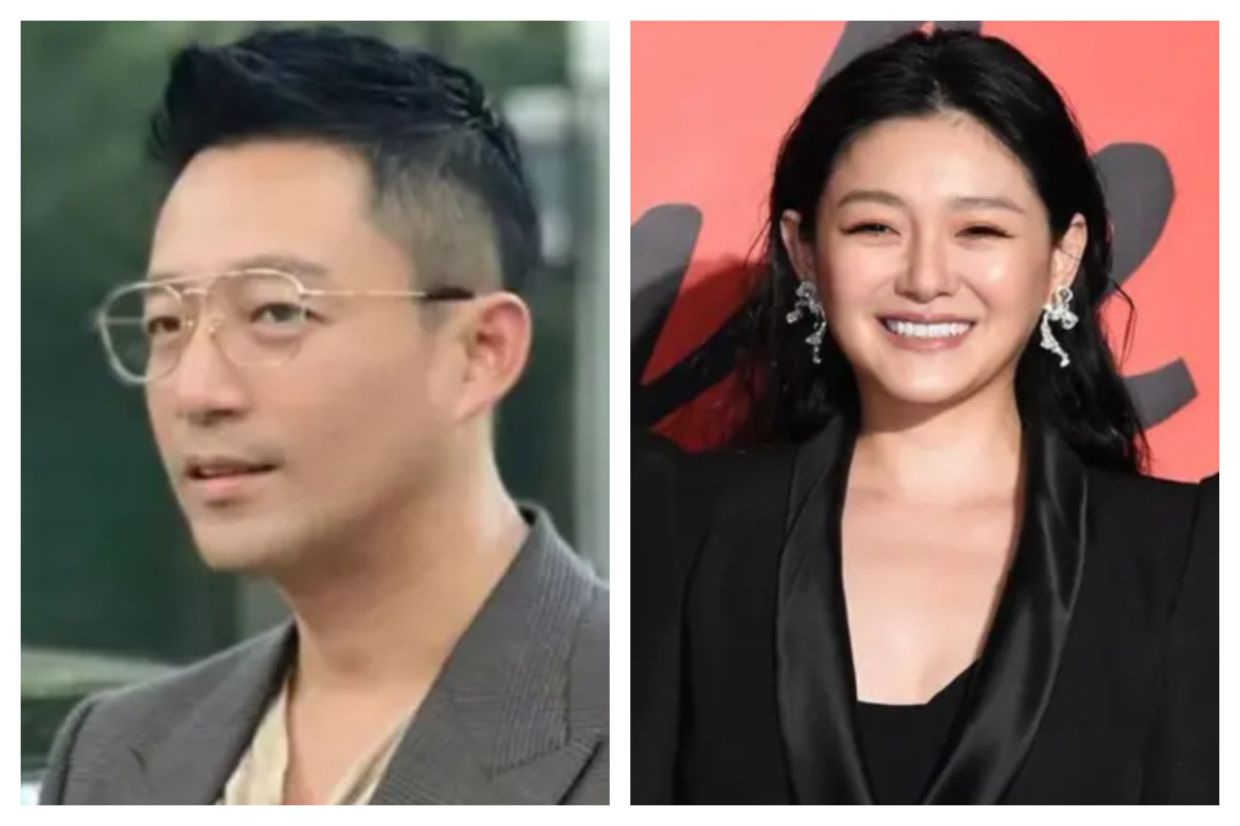
Chinese entrepreneur Wang Xiaofei has stepped forward to address swirling speculation about the inheritance and estate management of his late ex-wife, Taiwanese actress Barbie Hsu, through a statement issued by his representative on July 8. The move comes as various claims have circulated regarding the division of her substantial assets, mortgage obligations, and the living arrangements of family members left behind following her death from pneumonia in 2025.
According to Wang's representative, the entrepreneur has made clear his respect for the legal distribution of Hsu's estate, which allocates one-third to her current husband, Korean singer Koo Jun-yup, professionally known as DJ Koo. This position underscores Wang's willingness to accept the inheritance arrangements despite his former marriage to Hsu spanning 11 years before their 2021 divorce. The statement was designed to quell persistent rumors that have engulfed the family since Hsu's passing, creating unnecessary distress and drawing intrusive media attention.
The core of Hsu's estate distribution reflects her two minor children from her marriage to Wang, who together inherit two-thirds of her assets held under trust fund arrangements designed to protect their interests until they reach maturity. Recognizing the complexity of managing a minor's inheritance, Wang has taken the proactive step of petitioning the court to appoint a special representative with authority to safeguard his children's legal rights and financial interests throughout the inheritance process. This legal guardianship measure demonstrates his commitment to ensuring the children's welfare remains the priority during estate settlement.
One particularly damaging rumor that spread through both Taiwanese and regional media claimed that Hsu's residential property had been listed for auction due to accumulated unpaid mortgage obligations, a scenario that would have created financial distress for her aging mother. Additionally, reports suggested that Hsu's mother faced the threat of eviction from the family home, a claim that sparked considerable public concern and sympathy for the surviving family members left vulnerable by the sudden loss.
Wang's representative categorically denied these allegations, clarifying that Wang has personally maintained all mortgage payments on the property since Hsu's death, with the obligation now technically assigned to her children's trust arrangements. This financial responsibility, undertaken without public fanfare, reflects Wang's commitment to stability for the family unit despite the dissolution of his marriage to Hsu. The representative further emphasized that Hsu's mother remains not only welcome but actively supported in her continued residence at the family home, contradicting the narrative of displacement that had gained traction in media coverage.
Concerning Koo's position as Hsu's second husband, Wang's statement acknowledged that the Korean entertainer holds a legitimate legal claim to one-third of the estate pursuant to Taiwanese inheritance law. Wang's representative made the significant concession that Koo retains complete autonomy over his inherited share and may dispose of it according to his own judgment, while Wang pledges to respect whatever decision Koo ultimately makes regarding his portion. This measured approach seeks to move beyond family conflict and demonstrate maturity in handling a sensitive financial matter involving multiple parties with competing interests.
Median estimates from Taiwanese financial analysts suggest Hsu's total estate carries a valuation approaching 600 million yuan, equivalent to approximately RM361 million, making it a considerable fortune requiring careful stewardship. This assessment encompasses several significant asset categories, including her property investment near the National Taiwan Museum of Fine Arts in Taipei, a high-value penthouse unit, and substantial financial assets that comprised her divorce settlement with Wang following their separation. The breadth and complexity of these holdings underscores the necessity for professional legal oversight and transparent administration to prevent further misunderstandings.
For Malaysian and Southeast Asian observers, the case illuminates the intricate intersection of family law, inheritance rights, and cross-border celebrity status that increasingly characterizes high-profile deaths in the region. Taiwan's inheritance regulations allocate statutory portions to surviving spouses and children based on predetermined percentages, creating legal obligations that supersede personal preferences or family dynamics. This structure, while designed to protect vulnerable family members, can generate tension when multiple marriages occur within an individual's lifetime, as seen in Hsu's situation where her second marriage to Koo created a competing claim on her assets.
The involvement of court-appointed legal representatives and trust fund mechanisms reflects a sophisticated approach to protecting minors' interests, a practice increasingly common across East and Southeast Asia where high-net-worth estates generate complex administration challenges. Wang's proactive petition for special representation demonstrates awareness that family disputes over inheritance frequently damage children's security and emotional wellbeing, particularly when matters become public spectacles subject to media scrutiny and speculation.
Wang's statement additionally serves a broader purpose of managing public perception and protecting his reputation in the aftermath of Hsu's death. By demonstrating financial responsibility toward mortgage obligations and respect for legal inheritance distributions, Wang positions himself as a reasonable stakeholder committed to family stability rather than financial gain. This public relations strategy, while calculated, reflects the realities of how inheritance disputes are increasingly resolved through narrative management and transparent communication rather than contentious litigation.
The representative's explicit appeal to media outlets requesting restraint and cessation of rumor-mongering highlights the genuine harm caused by unverified speculation in contemporary digital news environments. For families navigating grief compounded by estate administration, constant media pressure and fabricated claims create additional burdens that complicate already sensitive matters. The request underscores growing awareness among high-profile figures and their representatives that responsible journalism requires verification before publication, particularly regarding sensitive family matters.
Moving forward, the Taiwanese court's supervision of the estate settlement process through appointed legal counsel provides structural safeguards against further disputes and ensures compliance with inheritance law. For Koo, Wang, and Hsu's children, this formal oversight offers both clarity and protection, allowing each party to understand their rights and obligations while preventing opportunistic claims that might otherwise burden the administration process further.

