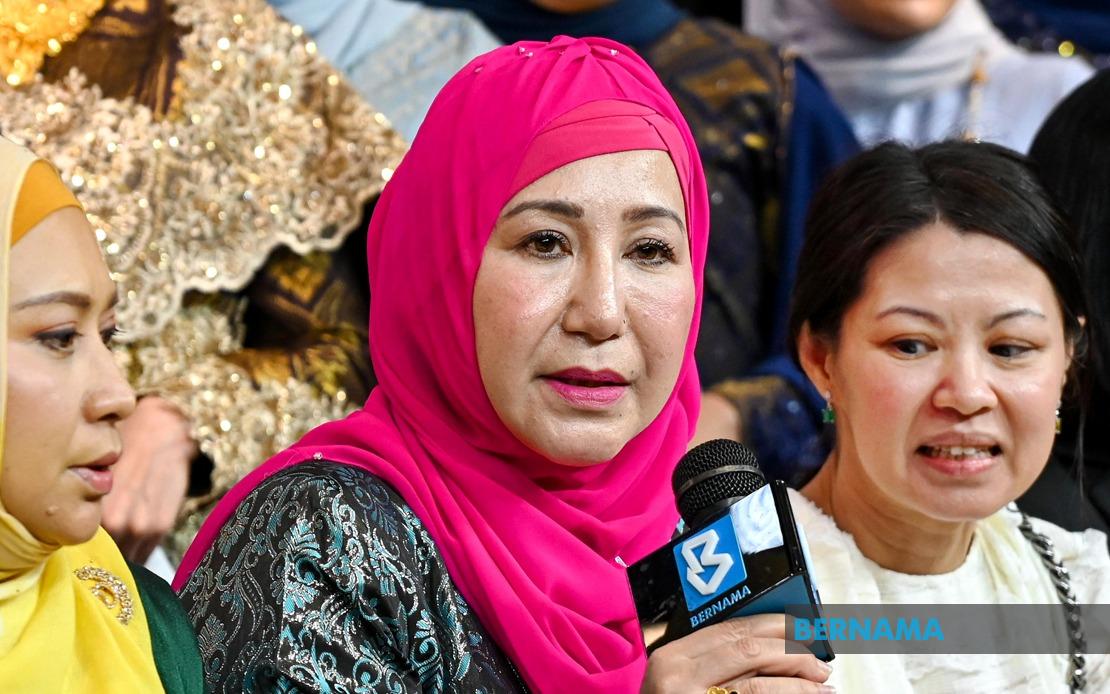
The Persatuan Usahawan Wawasan Wanita Malaysia (WAWASANITA) is moving forward with plans to construct a dedicated food manufacturing and packaging facility in Sungai Besar, a strategic initiative designed to elevate the commercial viability of rural-based cottage industries across the district. The project represents a significant attempt to address longstanding challenges facing small-scale food producers in Malaysia's heartland, particularly regarding product standardisation, market access, and international competitiveness.
According to WAWASANITA president Dr Norli @ Norlaili Alias, the undertaking will unfold through coordinated collaboration with a broad coalition comprising more than 60 non-governmental organisations, business entities, industry associations, and local village leadership structures. This multi-stakeholder approach signals recognition that rural economic transformation requires integrated support systems extending beyond individual entrepreneurs, encompassing supply chain coordination, regulatory guidance, and collective market positioning.
The envisioned facility addresses a persistent constraint limiting Malaysian cottage producers from scaling operations. By concentrating manufacturing capabilities and packaging infrastructure under unified management, the hub will enable participating entrepreneurs to access technology platforms and quality-assurance mechanisms that would otherwise remain financially prohibitive for isolated operators. This pooled-resource model is particularly relevant for Malaysia's rural manufacturing sector, where fragmentation and limited capital availability have traditionally prevented small producers from meeting international food safety standards and aesthetic packaging expectations demanded by overseas retailers.
Dr Norli outlined the hub's operational strategy, emphasising how centralised production would enable adoption of advanced preservation techniques and modernised packaging solutions that extend product shelf life and enhance visual market appeal. These improvements directly address why many Malaysian cottage-industry snacks struggle to penetrate export markets despite possessing authentic flavour profiles and strong domestic recognition. The bundling of diverse products under a single unified brand identity—exemplified by the proposed "Kerepek International" designation—will simplify international buyer procurement processes and strengthen brand coherence across diverse product lines.
The financial projections associated with this initiative are substantial. WAWASANITA anticipates participating entrepreneurs will experience approximately 30 per cent increases in both sales volumes and profit margins through improved product positioning and operational efficiency. For rural Malaysia's women-led enterprises, historically operating with modest turnover and constrained reinvestment capacity, such margin expansion represents meaningful economic advancement and strengthened household financial security.
The hub's international ambition extends beyond domestic market consolidation. By establishing certified production standards and unified quality benchmarks, the facility will position Malaysian cottage-industry snacks for meaningful penetration of Southeast Asian export markets and potentially distant markets where premium-positioned ethnic food products command premium pricing. This geographic diversification reduces dependence on saturated domestic retail channels and exposes rural entrepreneurs to revenue streams previously inaccessible to individual operators.
Present during the initiative's announcement in Sungai Besar were Political Secretary to the Rural and Regional Development Minister Datuk Mohd Razlan Muhammad Rafii, alongside Sungai Besar UMNO chief Datuk Seri Jamal Md Yunos and Sungai Panjang state constituency coordinator Datuk Mohd Imran Tamrin. This high-level political representation underscores the project's positioning within broader rural development and livelihood enhancement priorities, signalling government commitment to translating rural entrepreneurship rhetoric into tangible infrastructure investment.
Simultaneously, the programme distributed support beyond food manufacturing. Mohd Razlan presented offer letters to 20 Selangor-based entrepreneurs establishing car detailing and mobile coffee service enterprises, indicating a wider portfolio approach to rural income diversification. The occasion also included contributions directed toward supporting asnaf children, demonstrating interconnected social welfare considerations embedded within rural economic initiatives.
The timing of this announcement carries particular relevance for Malaysian policymakers grappling with persistent rural-urban income disparities and youth outmigration from agricultural regions. By creating economically viable entrepreneurial pathways within rural locations, initiatives like the Sungai Besar food hub potentially address root economic drivers of demographic decline in Malaysia's interior districts. For women entrepreneurs specifically, who face disproportionate barriers accessing financing and distribution networks, the provision of shared manufacturing infrastructure represents meaningful economic inclusion advancement.
The food hub's viability will ultimately depend on execution capacity, particularly regarding quality consistency, regulatory compliance, and sustained market demand cultivation among international buyers. Malaysian cottage-industry operators possess genuine competitive advantages through authentic product formulations and artisanal production methods, yet translating these inherent strengths into sustainable export revenues requires systematic attention to buyer relationship management, packaging compliance standards, and supply chain predictability—domains where many rural producers remain underexperienced.
For Southeast Asian readers, this initiative illustrates broader regional trends toward formalising informal-sector food production and leveraging regional trade frameworks to facilitate cross-border commerce. As ASEAN members progressively standardise food safety regulations and tariff structures, early-moving initiatives establishing integrated production hubs may capture disproportionate advantages in emerging intra-regional supply chains, positioning Malaysian rural producers competitively relative to counterparts in neighbouring economies.

