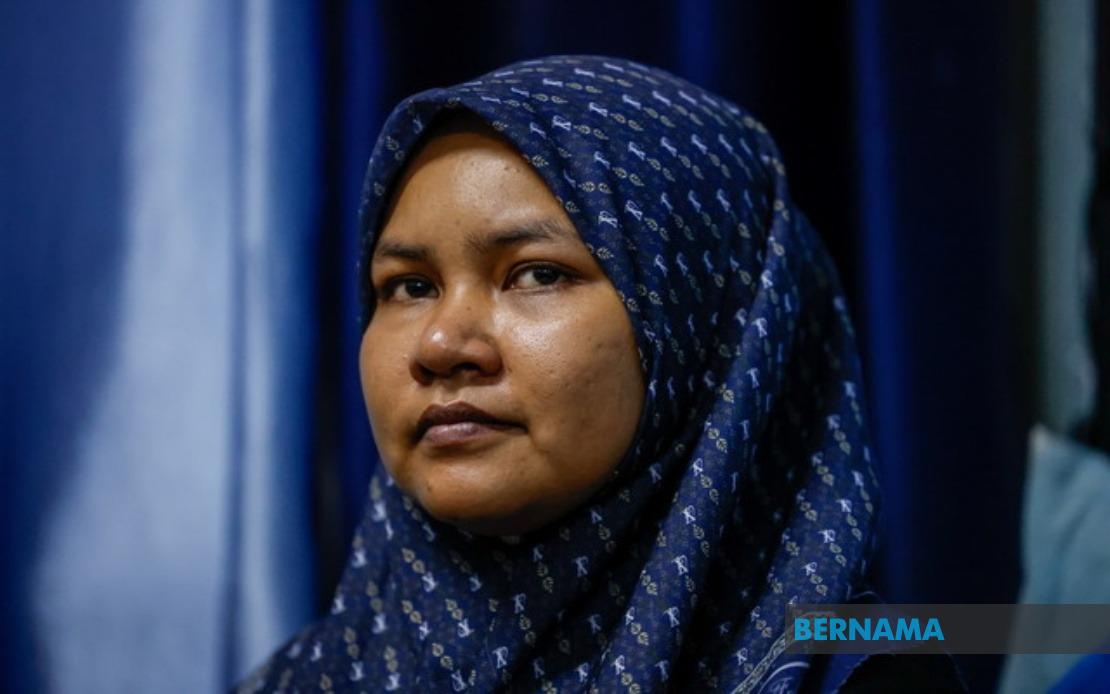
The widow of delivery rider Amirul Hafiz Omar is preparing to take civil action against the driver believed responsible for her husband's death on Jalan Raya Barat in Klang. According to her legal representative, Nor Nadia Abdul Majid intends to file a RM1 million civil suit in August, contingent on the completion of necessary administrative procedures at the courts.
Lawyer Nur Iffah Hizwani Omar indicated that the legal groundwork has already been completed, with a writ of summons and statement of claim drafted and ready for submission. However, the filing has been delayed pending the issuance of a Letter of Administration from the Kuala Lumpur High Court, which is expected to be resolved by July 28. This administrative step is essential to formally establish the widow's legal standing to pursue the claim on behalf of the deceased's estate.
Once the Letter of Administration is granted, Nor Nadia's legal team will need to obtain income documentation from the e-hailing platform where her husband worked. These supplementary income records are crucial for calculating the precise amount to claim in the statement of claim, ensuring the compensation reflects the full financial losses suffered by the family. The suit itself will be filed at the Shah Alam High Court, following standard civil procedure in Malaysian courts.
The case stems from an incident on March 29 when the 33-year-old rider was struck by a vehicle on the Klang main road. The driver, R. Saktygaanapathy, 28, now faces serious criminal charges. He was initially charged under Section 302 of the Penal Code for murder, though no plea was recorded as the matter falls under High Court jurisdiction. Subsequently, on June 3, he pleaded not guilty to an amended charge under the Dangerous Drugs Act 1952 for self-administering tetrahydrocannabinol (THC), indicating that drug impairment may have been a factor in the collision.
The parallel criminal and civil proceedings represent distinct avenues of accountability. While the criminal case determines culpability and potential imprisonment, the civil suit aims to secure financial compensation for the family's loss of income and support. This dual-track approach is common in Malaysian law, allowing families to pursue damages independently of criminal outcomes.
Nor Nadia, now 32, has spoken candidly about the emotional toll of her loss and the practical challenges of maintaining her household alone. She described a delayed grief response, noting that the initial three months after her husband's death felt almost surreal, as though he had simply left for his customary work shift. Only gradually did the reality of permanent loss crystallise, bringing with it waves of overwhelming sorrow that intensify whenever she observes reminders of his dedicated routine.
The mother is now shouldering all parental and household responsibilities that her husband previously managed. He had maintained a consistent ritual of driving their children to school each morning and collecting them at midday for lunch, a pattern he followed faithfully regardless of weather conditions. These intimate family routines underscore the tangible human cost of the incident—not merely a loss of income, but the disruption of daily care patterns that anchored the family's emotional and practical stability.
For Malaysian families dependent on gig economy workers like delivery riders, the death of a primary earner represents a cascade of vulnerabilities. The gig sector, which has expanded substantially in recent years across Southeast Asia, frequently lacks the comprehensive employment protections and insurance coverage available in traditional employment arrangements. Riders typically work as independent contractors, shouldering their own accident insurance and health coverage burdens. This structural reality amplifies the financial devastation when tragedy strikes, making civil litigation one of the few avenues available to families seeking redress.
The case also highlights broader concerns about road safety and impaired driving in Malaysia. The involvement of suspected drug use as a contributing factor to this fatal collision echoes recurring patterns in traffic incidents across the nation. Enforcement of traffic laws and drug-driving regulations remains a persistent challenge, with detection and prosecution rates varying significantly across different jurisdictions and time periods.
For the delivery and logistics sectors—industries that have become integral to Malaysia's digital economy—this incident serves as a sobering reminder of occupational hazards faced by riders operating on busy urban roads. The sector's rapid expansion has outpaced regulatory frameworks designed to protect worker safety, leaving individuals like Amirul Hafiz Omar exposed to considerable risk in exchange for modest income.
The anticipated August filing of the civil suit marks a significant milestone in Nor Nadia's pursuit of justice and financial recovery. While the outcome cannot restore her husband or reverse the family's loss, a successful claim could provide material support during this prolonged period of adjustment. The case may also establish precedent for similar claims by gig economy workers' families, potentially influencing how courts assess damages in such circumstances and raising awareness about compensation standards for this vulnerable workforce segment.
As the legal process advances, the case will likely attract attention from advocates concerned with gig worker protections, road safety enforcement, and the application of drug-driving laws. The convergence of these issues—occupational vulnerability, substance-impaired driving, and civil remedy—represents a microcosm of challenges facing modern Southeast Asian societies navigating rapid economic transformation alongside persistent safety and regulatory gaps.

