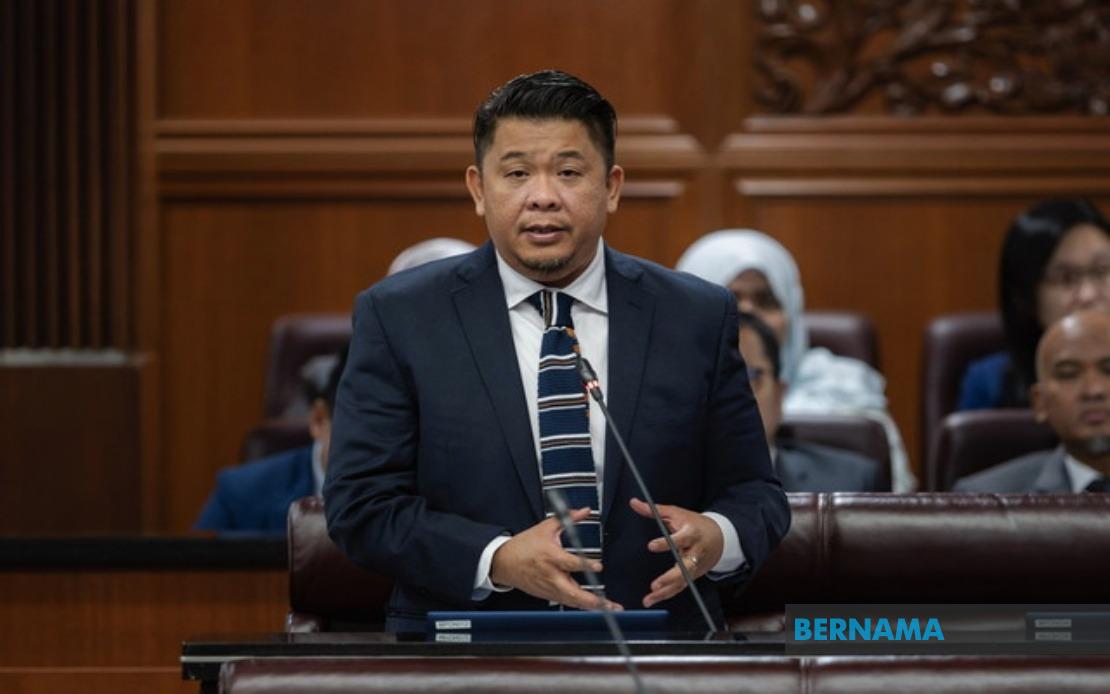
The Malaysian government is maintaining constant surveillance of more than 21,000 of its nationals scattered across 14 countries experiencing armed conflicts, signalling heightened vigilance over citizen safety in an increasingly unstable geopolitical landscape. Deputy Foreign Minister Datuk Lukanisman Awang Sauni disclosed the extensive monitoring operation during parliamentary proceedings, emphasising that the Foreign Ministry has developed robust contingency measures to extract citizens rapidly if conditions deteriorate. The revelation underscores growing official concern about the vulnerability of Malaysians abroad, particularly in volatile regions where sudden escalations can trap citizens without swift exit routes.
The scale of this monitoring exercise reflects the genuine complexity facing Wisma Putra in managing diaspora security across multiple jurisdictions with different risk profiles and accessibility challenges. The ministry's approach incorporates lessons learned from previous regional conflicts, allowing policymakers to anticipate obstacles and establish protocols that function effectively under pressure. Rather than relying on ad-hoc responses when crises emerge, the government has institutionalised preparedness by creating frameworks that coordinate multiple stakeholders across the public and private sectors. This systematic methodology represents a significant evolution in how Malaysia manages emergency situations affecting its overseas population.
The evacuation framework encompasses collaboration with diverse institutions including the Royal Malaysian Air Force, commercial airlines capable of organising charter operations, travel agencies, umrah tour operators, and the national oil company Petronas. This multi-agency approach acknowledges that different groups of Malaysians—whether business executives, students, religious pilgrims, or energy sector workers—require tailored assistance mechanisms. Petronas specifically maintains independent evacuation protocols for its workforce, recognising that corporate employees need specialised logistical support distinct from tourist evacuations. By engaging both government entities and private sector partners, Malaysia has created redundant systems where multiple organisations can execute rescue operations simultaneously, reducing bottlenecks that historically plague emergency responses.
All Malaysian diplomatic missions have developed customised contingency plans reflecting their specific operational environments and local risk assessments. These plans incorporate systematic mapping of where Malaysians reside within each jurisdiction, established communication channels for alerting citizens during emergencies, pre-arranged resource coordination mechanisms, and detailed evacuation sequences tailored to regional geography and transportation infrastructure. The flexibility built into these plans allows officials to scale responses according to actual threat levels rather than implementing uniform approaches that may prove either excessive or inadequate. As security developments unfold, diplomatic posts continuously update their planning documents, ensuring that strategies remain relevant to evolving circumstances rather than becoming obsolete as situations transform.
The Foreign Ministry actively encourages Malaysian citizens planning travel or temporary residence abroad to register their presence through multiple channels including email contact with their nearest mission, direct telephone communication, or through the dedicated e-Consular digital system. Citizens can further enhance their situational awareness by activating the MyWorldAlert application, which delivers real-time information about security developments and provides pathways to emergency assistance when required. This multi-layered registration system creates institutional knowledge of who Malaysians are, where they are located, and how to contact them during crises. The technological infrastructure supporting these registrations enables rapid dissemination of critical alerts and facilitates coordinated response when evacuations become necessary.
Regional tensions reached a critical threshold earlier this year when conflict erupted across West Asia, prompting the Foreign Ministry to issue three separate travel advisories warning citizens about deteriorating security conditions. These advisories represented escalating governmental concern as the situation developed, with each iteration reflecting changing assessments of danger levels facing Malaysians in affected areas. The initial advisories likely focused on awareness-raising, subsequent ones may have recommended departure, while final iterations potentially mandated evacuation of non-essential personnel. The issuance of multiple travel warnings demonstrated the ministry's commitment to keeping citizens and potential travellers continuously informed rather than issuing singular blanket pronouncements that quickly become outdated.
An important turning point emerged when a ceasefire was announced on April 8, creating conditions for regional stabilisation and gradual reopening of airspace that had previously been closed or severely restricted. The restoration of commercial air routes significantly improved Malaysia's capacity to execute evacuations, as civilian aircraft could now operate routes that had been impossible during active hostilities. With virtually all airspace in the region now functioning normally following improvements in the security environment, Malaysia's options for citizen extraction have expanded substantially. This reopening represents a genuine window where preventative evacuations become logistically feasible, reducing the desperation that characterises last-minute rescues when circumstances become truly dire.
The monitoring operation and evacuation preparedness carry particular significance for Malaysia given the substantial numbers of citizens engaged in religious tourism to Middle Eastern destinations. Umrah pilgrimages constitute a major component of Malaysian overseas travel, with tens of thousands undertaking these journeys annually. Any escalation affecting Middle Eastern infrastructure would immediately impact this pilgrim population, potentially trapping hundreds or thousands without clear exit strategies. Similarly, Malaysian students enrolled in regional universities, business professionals working for multinational corporations, and energy sector workers represent additional populations requiring protection frameworks. The diversity of Malaysians abroad means that effective government response demands flexibility in accommodating different needs and circumstances.
The deputy minister's parliamentary explanation reflects broader Southeast Asian concerns about the sustainability of regional stability and the vulnerability of their citizens in zones experiencing persistent conflict. Malaysia's detailed preparedness approach offers a potential model for neighbouring countries managing similar challenges, demonstrating how systematic coordination across government agencies and private sector partners can establish genuine protective capacity. However, the existence of elaborate plans provides only theoretical protection; their effectiveness ultimately depends on rapid decision-making, clear communication, and the willingness of host nations to permit Malaysian extraction operations during crises. The government's public disclosure of these monitoring efforts also serves a reassurance function for Malaysian families with relatives abroad, signalling that official attention is focused on their safety even when media coverage fades.
Looking forward, Malaysia's experience managing these conflict-affected populations will likely influence how regional governments approach citizen protection and evacuation planning. The integration of military assets, commercial capabilities, corporate resources, and diplomatic infrastructure represents a sophisticated recognition that modern crises require orchestrated responses transcending traditional government boundaries. As geopolitical tensions persist globally and new conflicts emerge, the frameworks Malaysia has constructed may require continuous refinement to address evolving threats. The government's commitment to maintaining these preparedness systems, despite the significant administrative burden and resource requirements, underscores how seriously Wisma Putra takes its responsibility for Malaysian citizens wherever they reside.

