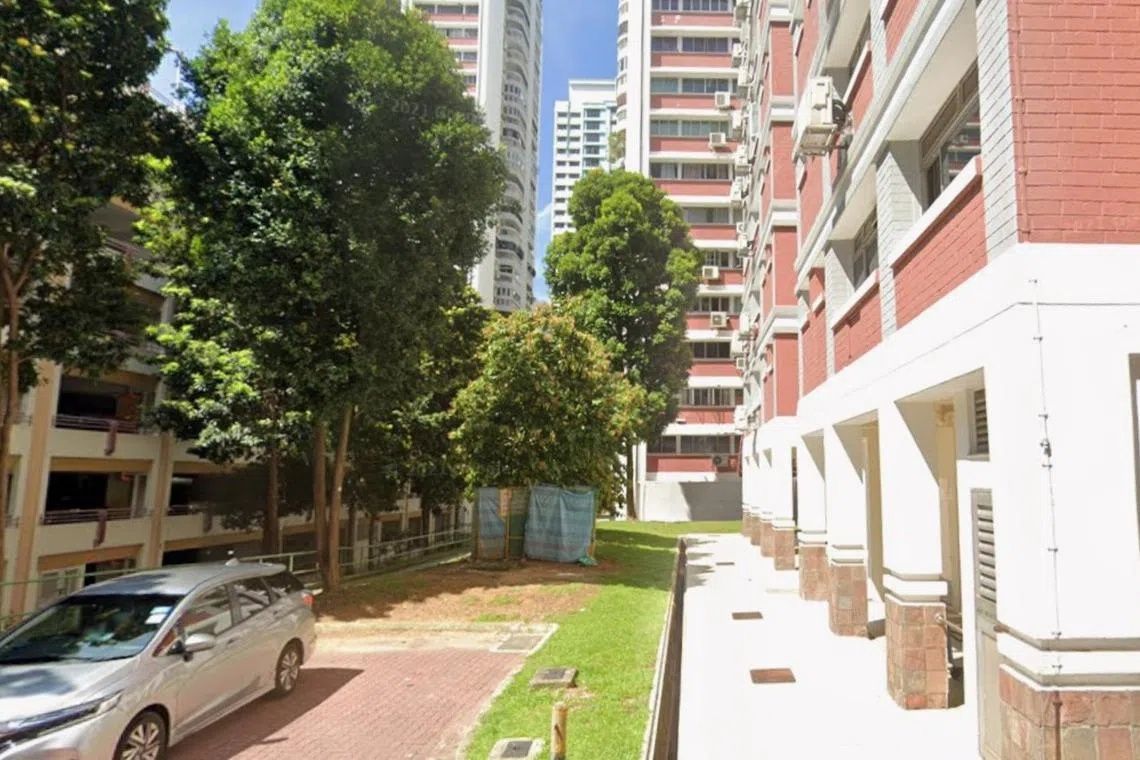
A 46-year-old woman faces charges after allegedly wielding a knife against an acquaintance at a Housing Board residential block in Singapore's Bukit Merah neighbourhood on Saturday evening, authorities confirmed. Police responded to an emergency call at 7 Kim Tian Place at approximately 7.40pm on July 4, arriving to find evidence of a violent confrontation that left the victim injured and requiring immediate medical attention.
The 43-year-old victim sustained injuries serious enough to warrant hospitalisation at Singapore General Hospital, where she was admitted conscious and under observation. Officers recovered a knife from the scene and took the older woman into custody on suspicion of causing grievous hurt using a weapon. The alleged assault unfolded in proximity to other residents of the block, with visible traces of the incident discovered at the void deck area commonly used by inhabitants.
Singapore's police force launched a formal investigation into the circumstances surrounding the confrontation, examining the nature of the relationship between the two women and any potential triggers that escalated to violence. The phrase "acquaintance" suggests an existing personal connection between the parties rather than a random attack, indicating authorities are likely exploring interpersonal disputes or unresolved tensions as possible motivations.
The incident underscores ongoing concerns about safety in Housing Board estates, where thousands of residents live in close quarters and community disputes occasionally escalate to violence. Such occurrences, though not uncommon, typically attract police attention and media scrutiny given their public nature and impact on neighbourhood residents who may witness or hear about such incidents.
Chinese-language publication Shin Min Daily documented the scene shortly after emergency services attended, noting visible bloodstains marking the void deck location where the attack occurred. This physical evidence corroborated witness accounts and police findings, with such traces routinely collected and preserved as part of investigative procedures to support potential prosecution.
The broader context of this incident reflects Singapore's continued focus on maintaining public order and community safety, with police maintaining swift response protocols for reports of violent crime. The speed of the police response in this instance demonstrates the effectiveness of the emergency reporting system that enables rapid mobilisation of officers to HDB blocks across the island.
For residents in Bukit Merah and neighbouring precincts, such incidents occasionally generate discussions about personal security and neighbourhood cohesion. Housing Board communities across Singapore have historically maintained relatively strong informal social networks, though urbanisation and changing demographics have sometimes altered traditional community dynamics that once served as informal safety mechanisms.
The investigation phase will determine whether charges proceed and what level of culpability prosecutors determine based on evidence gathered. Singapore's criminal justice system carefully distinguishes between degrees of assault, with charges of causing grievous hurt with a weapon carrying significant legal weight and potential imprisonment.
The case exemplifies the intersection of domestic or acquaintance-based violence with public space crime, a classification that law enforcement agencies monitor closely. Unlike street crime between strangers, such incidents often involve history and context that investigative teams must unravel through interviews and evidence examination.
As inquiries continue, the victim's recovery and cooperation with authorities will prove crucial to establishing the sequence of events and determining culpability. The weapon's recovery immediately at the scene significantly strengthens the prosecution's position should charges be filed, as physical evidence directly corroborates the allegation.
Beyond the individual case, the incident reminds residents across Singapore's public housing estates of the importance of community awareness and conflict resolution. While violent eruptions remain relatively rare in the densely populated Housing Board environment, awareness campaigns occasionally emphasise the availability of counselling and mediation services for residents experiencing interpersonal difficulties.

