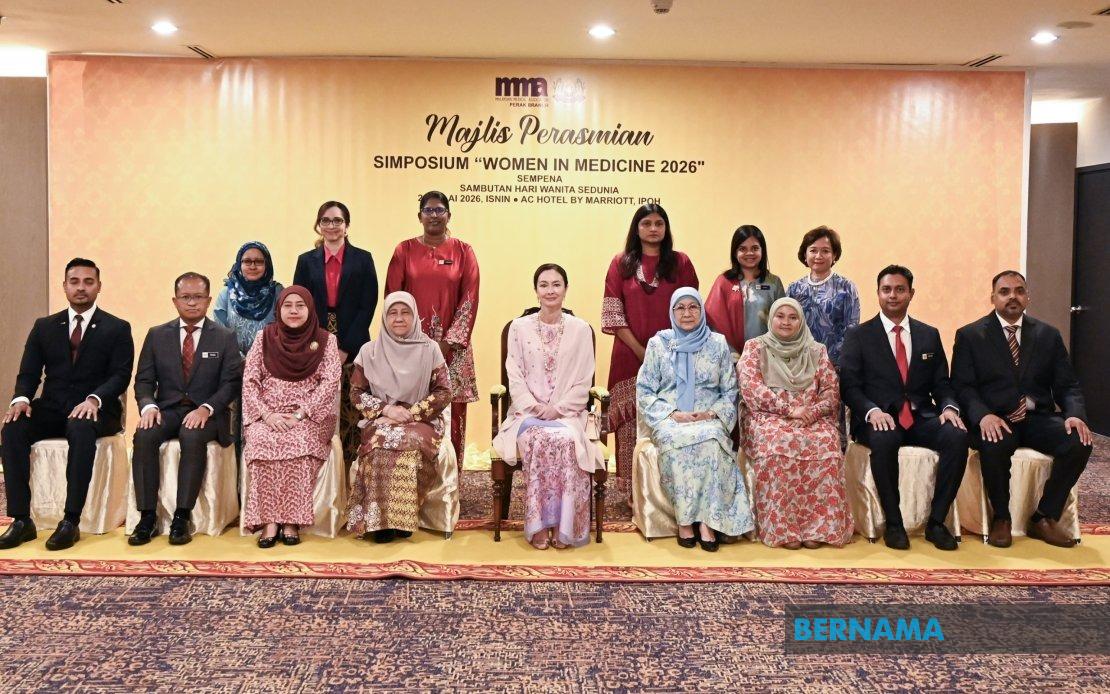
Malaysia's healthcare system needs women occupying prominent leadership positions to navigate an increasingly complex medical landscape shaped by mental health crises, lifestyle diseases and technological disruption, according to Dr Monesh Pillai, chairman of the Perak Malaysian Medical Association. His comments at the Women in Medicine Symposium 2026 in Ipoh underscore a growing recognition across Southeast Asia's medical establishment that gender diversity at decision-making levels directly translates into better policy outcomes and patient care.
The healthcare challenges confronting Malaysia have fundamentally shifted in recent years. Non-communicable diseases including diabetes, hypertension and cardiovascular conditions now account for the majority of healthcare burdens, strains that disproportionately affect ageing populations. Simultaneously, mental health conditions remain significantly underdiagnosed and under-resourced, with digital transformation and artificial intelligence reshaping how medical services are delivered across urban and rural settings. These multifaceted crises demand not simply technical expertise but leadership approaches characterised by empathy, systems thinking and patient-centric innovation—qualities that research increasingly associates with women in senior roles.
Dr Pillai's argument reflects a broader tension in Malaysia's professional hierarchies. While women constitute substantial proportions of medical school cohorts and nursing workforces, their representation in senior leadership—hospital directorships, medical association presidencies, health policy roles—remains disproportionately low. This phenomenon extends across Southeast Asia, where institutional barriers, career interruption due to caregiving responsibilities and cultural expectations continue to suppress women's advancement into executive positions. The medical field offers particular urgency because healthcare decisions at the leadership level directly determine treatment protocols, resource allocation and the institutional culture within which all practitioners work.
The symposium, officially inaugurated by Raja Permaisuri of Perak Tuanku Zara Salim, proceeded under the International Women's Day theme centred on rights, equality and empowerment. Dr John Emmanuel, organising committee chairman for the event, expanded on this framing by emphasising that women's empowerment in healthcare transcends merely creating opportunities; it requires establishing structural conditions enabling women to exercise genuine leadership and shape institutional futures. His remarks positioned gender inclusion not as a social welfare concern but as a strategic imperative for healthcare excellence.
The contemporary medical profession encompasses far more diversity of roles than historical practice acknowledged. Beyond hospital-based clinical work, women today lead research programmes, drive pharmaceutical innovations, chair medical departments, direct nursing teams, manage allied health professions including physiotherapy and laboratory services, and increasingly shape health policy at governmental level. This expanded scope means that healthcare modernisation cannot succeed through narrow recruitment strategies targeting doctors alone; instead, systemic transformation requires women's active participation across administrative, educational, research and advocacy functions. Malaysia's health ministry and regional medical institutions increasingly recognise this necessity as they compete internationally for top talent and seek to position their systems as innovation hubs.
Monash University Malaysia's president Datuk Dr Adeeba Kamarulzaman delivered a keynote address examining how women navigate the transition from clinical practice into global health policy environments. Her presence and topic selection signalled recognition that women's leadership trajectories often diverge from traditional hierarchical advancement, with many women clinicians making significant impacts through research, international collaboration and policy advocacy rather than climbing administrative ladders. This reality necessitates institutional frameworks that recognise and reward diverse pathways to influence and contribution. Malaysian medical institutions seeking to retain and advance their most talented women practitioners must develop career structures accommodating these varied professional identities.
The symposium programming also addressed specific health equity dimensions. Dr Sangeetha Siniah's presentation on allergy and immune health in women and children touched on an often-neglected intersection: how women's physiological and social experiences shape health outcomes in their dependents and communities. Women's healthcare leadership brings heightened attention to preventive medicine, family-centred approaches and the social determinants affecting health outcomes. These perspectives, when embedded in senior decision-making, tend to reorient healthcare systems toward earlier intervention and community health rather than exclusively emphasising acute hospital-based treatment.
Peering forward, Malaysia's healthcare transformation agenda over the coming years will likely depend significantly on the speed with which the profession addresses gender representation in leadership. The National Health Policy and strategic documents increasingly prioritise digital health infrastructure, primary care strengthening and mental health system development. Each of these domains would benefit substantially from women's participation in strategic planning and implementation oversight. Regional competitors including Singapore and Thailand have made deliberate efforts to advance women into senior medical roles, and Malaysia risks lagging in talent attraction and system innovation if it fails to create similarly conducive environments.
The Perak MMA's commitment to hosting this symposium reflects growing awareness among medical associations that professional credibility and public trust increasingly depend on demonstrating institutional commitment to diversity and inclusion. Malaysian doctors and healthcare workers, particularly younger cohorts, increasingly evaluate their employers and professional bodies partly on gender equity metrics and women's representation in leadership. Medical schools producing graduates increasingly drawn from diverse socioeconomic and ethnic backgrounds naturally expect their professional organisations to mirror that diversity and create pathways enabling all qualified practitioners to advance.
Moving beyond rhetoric requires concrete institutional changes. These include establishing transparent promotion criteria, creating mentorship networks connecting aspiring women leaders with established senior practitioners, supporting flexible career pathways accommodating caregiving responsibilities, conducting periodic audits of gender representation at all organisational levels, and actively recruiting women into committee positions and leadership training programmes. The Malaysian Medical Association's national office might also consider issuing guidance to member institutions on implementing systemic gender equity strategies, positioning women's advancement not as compliance exercise but as essential to professional excellence and patient care quality.

