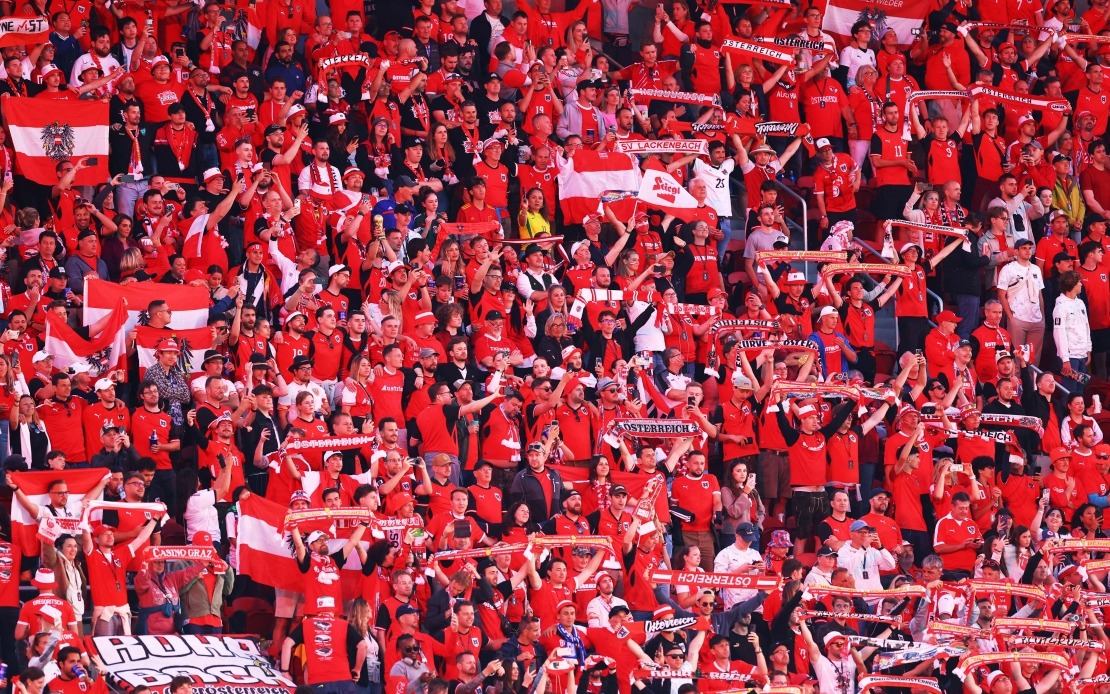
The expanded FIFA World Cup has delivered blockbuster numbers across multiple metrics, with governing body FIFA reporting unprecedented attendance figures and consumption records following the conclusion of the group stage. The 72 matches held across the United States, Canada, and Mexico attracted 4.644 million fans—a gain of more than 1 million spectators compared to the 1994 tournament staged in the US, which drew 3.587 million attendees, according to figures released by German news agency dpa.
The raw attendance leap reflects both the expansion of the tournament format and the broader appeal of football in North America. The current edition featured 48 teams competing across 80 total matches, compared to the 1994 edition's 24-team format with 52 matches. This structural doubling explains the absolute gains in overall attendance, though it masks a more nuanced picture when examining per-match viewer engagement. The average attendance per match has declined to 64,508 fans compared to 68,991 in 1994, suggesting that while more matches are being played and drawing crowds, individual fixtures are attracting slightly smaller audiences on average. This pattern may reflect scheduling challenges, venue capacity variations, and the distribution of higher-profile matchups across the expanded fixture list.
For Malaysian football followers and Southeast Asian observers, this expansion signals FIFA's strategic pivot toward larger, more inclusive tournament formats designed to capitalise on emerging markets and regional growth in fan engagement. The success of the expanded format in North America provides a template that could influence future tournament architecture, potentially affecting qualification pathways and regional tournament structures that impact Asian football development.
Goal-scoring productivity has also reached historic levels. The 215 goals scored during the group stage constitute a record mean of three goals per match, surpassing the 2022 tournament's tally of 179 goals across 64 matches and an average of 2.8 per game. This elevated scoring rate suggests either improved attacking football, defensive vulnerabilities exploited by the wider talent pool, or a combination of both factors. The expansion to 48 teams inevitably introduces greater quality variation across squads, potentially creating mismatches that inflate goal tallies in certain fixtures.
The tournament utilised 999 players across its 48 participating nations, with Canadian captain Alphonso Davies symbolically becoming the 1,000th player when entering the field during Canada's knockout-stage victory over South Africa. This figure underscores the scale of the competition and the breadth of international talent deployment, offering opportunities for emerging nations and lesser-developed football programmes to gain World Cup experience.
Beyond the pitch, the tournament has generated substantial economic activity and fan engagement across North American host cities. Stadium food and beverage sales painted a vivid picture of consumption patterns during the group stage. Vendors dispensed approximately 2.8 million beers and nearly one million bottles of water within stadium precincts. The sale of 300,000 hot dogs reflects both the tournament's duration and the integration of North American food culture into the match-day experience—a notable detail for understanding how major tournaments adapt to local preferences and hospitality expectations.
The official fanfests established throughout the three host countries drew over 5.5 million visitors beyond stadium attendees, indicating substantial out-of-venue engagement with the tournament. These festival zones generated considerable economic spillover, with visitors consuming more than 2 million alcoholic beverages and approximately 2 million soft drinks. The bifurcated attendance pattern—stadium-based and fanfest-based—demonstrates how modern World Cups function as comprehensive entertainment ecosystems rather than purely match-centred events.
For Malaysian and regional stakeholders, these metrics carry implications for infrastructure planning and tournament bidding strategies. Should Southeast Asian nations pursue future World Cup hosting rights under an expanded format, they would need to contemplate stadium capacities, transportation networks, and ancillary venue development capable of accommodating comparable crowds. The North American experience suggests that expanded tournaments generate significant economic activity but demand substantial logistical coordination across multiple jurisdictions.
The attendance and consumption data also reveal changing patterns in fan behaviour and tournament attendance. The preference for fanfest attendance alongside stadium matches suggests that the modern World Cup appeal extends beyond competitive football to encompass cultural celebration, social gathering, and entertainment consumption. This shift may influence how future tournaments market themselves and structure the fan experience, with particular relevance for regions developing football infrastructure and fan engagement strategies.
The tournament's commercial performance, reflected in beverage and food sales, indicates robust spending capacity among attendees and successful monetisation of the match-day experience. For Malaysian football administrators and commercial entities, these figures provide benchmarks for understanding revenue potential and consumer willingness to spend at major sporting events.
As FIFA contemplates future tournament formats, the North American expansion has provided a significant data point supporting the viability of larger competitions. The record-breaking absolute attendance figures, combined with competitive goal-scoring records and substantial out-of-venue engagement, suggest that expanding tournament participation and infrastructure can deliver both competitive spectacle and economic benefits, potentially influencing how subsequent World Cups and continental competitions are structured across different regions.

