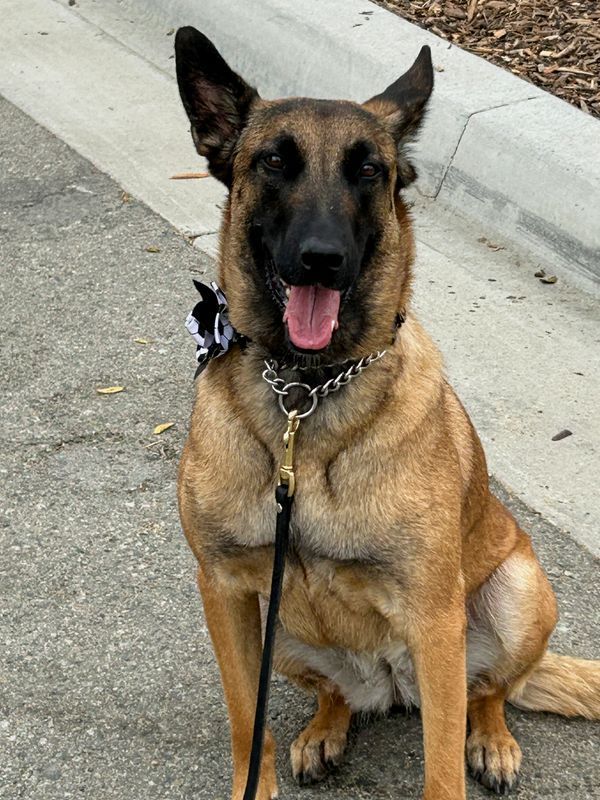
The 2026 FIFA World Cup hosted across the United States, Canada, and Mexico required an unprecedented security apparatus to manage potential threats across a sprawling three-nation tournament. Among the frontline defenders was Kali, a five-year-old Labrador Retriever stationed at Los Angeles Stadium, whose gentle demeanour masked her critical role in preventing explosives, fireworks, and firearms from entering the venue. Kali and hundreds of canine units like her formed the first defence line against security risks that tournament organisers viewed as substantial given the geopolitical backdrop surrounding the competition.
The security challenge extended beyond standard event management. The United States and Iran maintained hostile relations during the tournament, with Iran's national team required to play their group-stage matches on American soil. The Trump administration had also strained diplomatic ties with numerous nations participating in the sprawling soccer event, creating a complex security environment. Additionally, inter-country tensions between competing teams, civil unrest in host nations—including cartel-related violence in Mexico—and large-scale political protests during Iran's matches in Los Angeles all contributed to elevated threat assessments among security officials.
Glen Kucera, president of Allied Universal Enhanced Protection Services, the nation's largest private canine security provider, oversaw approximately 300 of his firm's 1,000 dog teams deployed for World Cup security. The scale of the tournament presented unprecedented logistical demands, with matches held across 16 cities spanning three countries. Security personnel were not confined to stadiums but extended to training facilities, hotels, transportation routes, and surrounding areas. The concentration of resources required meant that detection dogs came from diverse sources: federal agencies like the Bureau of Alcohol, Tobacco, Firearms and Explosives; local law enforcement including the Los Angeles County Sheriff's Department; and private security contractors. This multi-agency approach reflected the distributed nature of security needs across the tournament.
The deployment strategy revealed deliberate choices about presentation and psychology. Kucera emphasised that approximately 95 percent of canine security's effectiveness derived from its visual deterrent value rather than actual threat detection. The presence of security dogs communicated to attendees that comprehensive screening was occurring, discouraging would-be perpetrators from attempting to breach security. Stadium entrances featured detection dogs positioned to ensure every attendee passed close enough to be assessed by trained canine units, creating a psychological barrier to criminal activity.
The selection of dog breeds reflected a nuanced understanding of international perceptions. Security organisers predominantly deployed friendly breeds like Labradors rather than German Shepherds or more visually intimidating dogs. This choice acknowledged that populations from countries where canines are not commonly kept as pets, or where dogs are associated with oppressive state security apparatus, might experience fear or cultural discomfort. By prioritising approachable breeds, organisers attempted to balance security effectiveness with visitor comfort and inclusivity—a distinction that Kucera noted was central to tournament planning.
Beyond explosives detection, security officials contended with culturally-rooted challenges. Supporters from numerous nations traditionally celebrate goals with fireworks, and security personnel worked diligently to prevent such items from entering stadiums. This dual-purpose screening—detecting both malicious threats and well-intentioned contraband—required consistent vigilance throughout the tournament. Detection dogs were particularly valuable for identifying these items without the delays and intrusiveness of more invasive screening methods.
The Iran matches presented singular security complications. Iranian authorities required the national team to remain in Mexico, entering the United States only immediately before matches and departing shortly afterward. This compressed schedule created dynamic security needs that shifted match to match. Iran's games against New Zealand and Belgium in Los Angeles, coupled with their final group match against Egypt in Seattle, occurred amidst sustained political protests outside venues. The combination of compressed logistics, heightened geopolitical sensitivity, and anticipated public demonstrations elevated the complexity of threat assessment and resource deployment.
Different host cities implemented tailored security approaches reflecting local capabilities and threat assessments. In Guadalajara, Mexico, robot dogs complemented traditional canine units in detecting explosive threats, incorporating technological innovation into security protocols. Vancouver's Canadian security agencies developed multi-layered strategies positioning detection dogs as central components within broader threat-detection frameworks. These variations demonstrated that while canine security provided consistent value across venues, implementation reflected local conditions and institutional strengths.
The unprecedented scale of coordinating hundreds of detection dog teams simultaneously across a three-nation tournament presented logistical challenges distinct from previous major security events. While security organisations regularly managed detection dogs at significant sporting events, concerts, and diplomatic functions, the World Cup's geographic dispersion and duration required mobilising resources at quantities and complexity levels rarely attempted. Handlers, veterinary support, accommodation for dogs, scheduling coordination, and inter-agency communication systems all required sophisticated management to ensure consistent security standards across all venues.
As the tournament concluded without major security incidents, the deployment validated the chosen approach. Whether the success reflected actual threat prevention or primarily deterrent effects remained difficult to quantify definitively. Security officials could point to the absence of detected explosives or firearms as evidence of effective screening, though the counterfactual—what attempts might have been made absent visible security—remained unknowable. What remained clear was that hundreds of detection dogs had contributed meaningfully to creating a security environment that balanced public safety imperatives with the need for a welcoming, inclusive tournament atmosphere for global audiences.
The experience offered lessons for future mega-events. Tournament organisers increasingly recognised that security effectiveness and visitor experience need not be antagonistic. The deliberate choice to deploy approachable dog breeds, visible but non-threatening security infrastructure, and transparent screening procedures demonstrated that comprehensive protection could coexist with public comfort. As international sporting competitions continue to navigate heightened geopolitical tensions and security concerns, the North American World Cup's canine security model—combining psychological deterrence, technological supplementation, and cultural sensitivity—provided a template that other event organisers may seek to emulate in addressing similar challenges.

