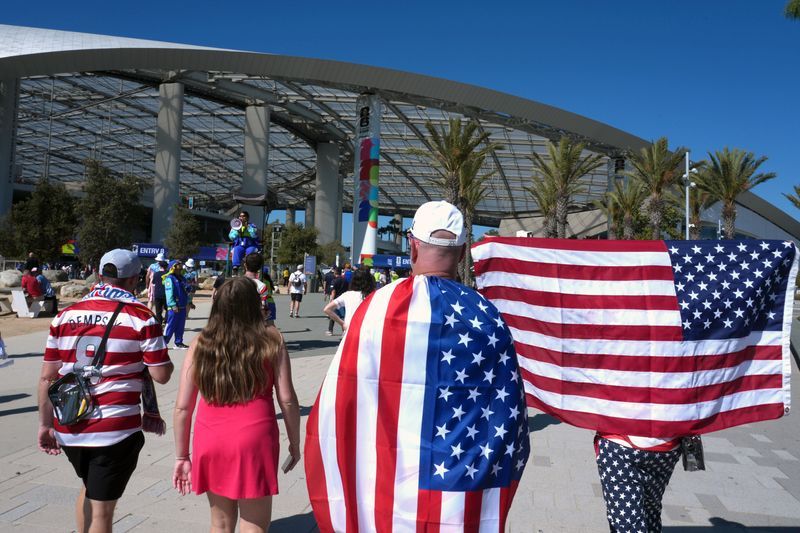
The excitement of Jeremy Wright's Christmas gift to his wife—two tickets to watch the Netherlands face Japan on June 14—dissolved into frustration when StubHub sent a cancellation notice just five hours before kickoff. After driving from Austin to Dallas with other fans celebrating in their hotel lobby, the Wrights received a devastating email stating their tickets could not be delivered. Though StubHub's automated response promised replacement seats under its FanProtect Guarantee, the platform offered only a refund when Wright attempted to claim alternative tickets. Hours of failed attempts to reach customer support left the couple driving back to Austin in the rain, without the match experience they had anticipated for over ten months.
The Wrights' ordeal is far from isolated. Throughout this month, dozens of frustrated ticket buyers have vented their anger across social media platforms after experiencing similar last-minute cancellations through StubHub, the prominent American resale ticketing marketplace. Many customers reported receiving assurances of replacement tickets only to discover the platform could not fulfil those promises. These episodes underscore a troubling vulnerability in the secondary ticketing ecosystem surrounding the world's largest sporting event, one that extends far beyond a single vendor's operational failures.
StubHub operates as a resale-only platform without official FIFA partnership status, meaning the company neither possesses tickets nor controls pricing. According to StubHub's statement, order cancellations stem from seller delivery failures rather than platform malfunction. The company attributes widespread cancellations to FIFA's ticketing infrastructure affecting transfers across all resale platforms. This explanation, however, drew immediate pushback from FIFA, which rejected any suggestion that its systems were responsible for third-party platform issues. FIFA maintains that its ticketing platform operates reliably at scale and pointedly noted that only its official resale marketplace can guarantee proper ticket delivery.
The fundamental problem underlying the crisis involves a practice known as speculative ticketing, according to Scott Friedman, a ticketing expert previously employed by the Cleveland Cavaliers who now directs the Ticket Talk Network. Sellers list tickets at artificially low prices months in advance, banking on acquiring those same tickets later at even lower costs to pocket the difference—essentially shorting the ticket market. This strategy mirrors stock market speculation and carries identical risks. However, World Cup ticket prices defied typical secondary market patterns by rising continuously as the tournament approached rather than declining. Sellers who had locked in listings found themselves unable to secure replacement tickets without accepting substantial losses, prompting them to cancel orders entirely rather than absorb those costs.
Dacy Gillespie, a writer and personal stylist, purchased four tickets for Argentina's June 16 match against Algeria as a Christmas surprise for her two sons. After driving roughly 250 miles from St. Louis to Kansas City on matchday, she received an email from StubHub confirming that the seller could not deliver her tickets. Unlike the Wrights, Gillespie purchased through StubHub specifically because she found FIFA's official platform confusing and unnecessarily complex. Her experience demonstrates how the alternative platforms, despite their risks, appeal to consumers frustrated by official channels. FIFA charges a 30 percent commission on resale through its official marketplace, substantially increasing ticket costs and driving price-sensitive buyers toward cheaper third-party options like StubHub.
The mechanics of StubHub's supposed safeguards reveal significant gaps in consumer protection. Though the platform's policies explicitly prohibit speculative ticketing, so-called ghost tickets—listings without provided seat numbers—remain endemic to the system because StubHub does not require sellers to include this information when posting inventory. Wright's September 6 purchase of his tickets, four days before FIFA even launched its first official sales draw, strongly indicates his order came from a speculator betting on price movements. His order confirmation showed only the generic "Category 3" seating designation, with no actual seat identification. StubHub maintains that sellers must upload ticket scans or provide proof of purchase at listing time, with violators facing financial penalties and account suspension, yet these enforcement mechanisms failed to prevent the scale of cancellations witnessed during this tournament.
Only after the Wrights and Gillespie escalated their complaints to social media and achieved viral attention did StubHub respond with substantive remedies. The company offered the Wrights complimentary semi-final seats, while providing Gillespie £3,000 to partially offset her costs purchasing replacement tickets from other sources. Sarah Wright captured the fundamental unfairness of this outcome: "We had to raise holy hell to get the attention. There's almost a survivor's guilt kind of feeling for us—we got complimentary tickets, but what about all the other people?" This disparity between those with sufficient social media reach to publicize their grievances and the silent majority of affected consumers raises serious equity concerns.
StubHub's corporate response has included establishing a dedicated World Cup support team and expanding resources to source replacement tickets for affected customers. A company spokesperson reiterated that facilitating fan attendance remains the platform's paramount objective for the tournament's remainder. Yet these measures arrive only after the reputational damage has crystallized. Marsha-Gaye Knight, a clinical assistant professor at the NYU Tisch Institute for Global Sport, warns that the ticketing crisis threatens substantial long-term harm to StubHub's brand reputation. The company faces additional pressure from regulatory action—the UK's markets watchdog recently ordered StubHub UK to refund more than 50,000 customers and imposed a £900,000 fine for failing to display total pricing upfront, revealing a pattern of consumer protection violations extending beyond the World Cup context.
The broader implications for Southeast Asian sports fans purchasing tickets through global resale platforms warrant careful consideration. As major sporting events increasingly gravitate toward dynamic pricing and official platforms implement substantial resale commission structures, secondary marketplaces like StubHub gain appeal through competitive pricing. Yet the World Cup experience demonstrates that cost savings may come at the expense of delivery certainty. Regional consumers should recognize that resale platforms operate in a fundamentally different risk environment than official channels, where seller defaults can leave buyers holding worthless confirmations. For Malaysian fans planning attendance at future regional or international sporting events, the choice between slightly cheaper tickets through unregulated resellers and costlier but guaranteed official channel purchases carries genuine consequences.
FIFA's insistence that only its official platform guarantees ticket delivery contains legitimate merit, notwithstanding the platform's complexity and high commission rates. The governing body has positioned itself as the ultimate arbiter of which tickets are legitimate and transferable, giving FIFA both power and responsibility to prevent the speculative practices that triggered the current crisis. However, FIFA's simultaneous implementation of dynamic pricing—another first for World Cup ticketing—has generated additional friction with fans already frustrated by escalating costs. The tension between FIFA's profit-maximizing strategies and consumer access represents an unresolved structural challenge that secondary platforms like StubHub inadvertently expose.
For consumers across the region considering purchases through resale marketplaces, the World Cup cancellation wave offers a cautionary lesson about the perils of speculative selling and ghost ticketing. While platforms implement policies prohibiting these practices, enforcement remains inconsistent and often reactive rather than preventive. The existence of replacement ticket guarantees provides some security, yet the Wright and Gillespie experiences demonstrate that these guarantees function best for customers with sufficient visibility to escalate complaints through social media channels. Ordinary fans lacking this advantage face a much grimmer reality when sellers default, discovering too late that policy language shields them far less than they had assumed.

