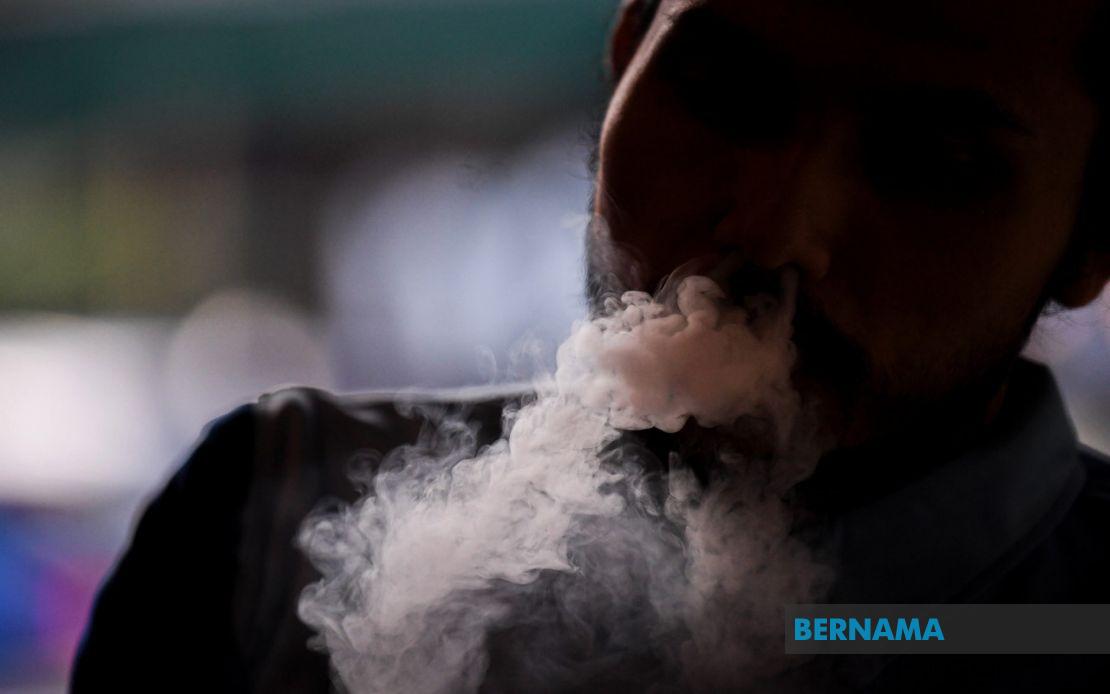
The World Youth Foundation (WYF) has intensified its campaign to eliminate vaping in Malaysia, formally urging federal and state governments to implement a comprehensive ban on electronic cigarette sales. The push comes following a major forum in Melaka where WYF leadership presented evidence of escalating substance abuse involving vaping devices, which have become vehicles for delivering illegal drugs to an increasingly vulnerable youth demographic.
Datuk Mohd Ridhwan Mohd Ali, WYF chairman, articulated the organization's central concern: electronic cigarettes are being systematically repurposed to conceal and distribute prohibited substances including marijuana, methamphetamine, and emerging synthetic drugs. This dual-use vulnerability transforms what manufacturers market as harm-reduction devices into effective drug delivery systems that evade casual detection. The chairman warned that the trend represents an acute threat particularly to school-age students, where social normalization of vaping creates cover for harder drug experimentation among peers.
The WYF's resolution, formalized during the Forum Bahaya Dadah Sintetik dan Ancaman Bahan Psikoaktif Baharu held in Melaka with attendance from Yang Dipertua Negeri Melaka Tun Mohd Ali Rustam, marks a significant advocacy milestone. The organization has committed to presenting this position directly to state assemblies, federal authorities, and Malaysia's Ministry of Health in coming months. This multi-level institutional approach reflects recognition that vaping regulation requires coordinated action across Malaysia's federal structure rather than isolated state-level measures.
Significantly, seven Malaysian states have already moved unilaterally toward vape prohibition—Johor, Kelantan, Terengganu, Perlis, Kedah, Pahang, and Perak—demonstrating receptiveness to such restrictions at the subnational level. WYF's advocacy seeks to consolidate these scattered initiatives into harmonized national policy, preventing the regulatory arbitrage that currently allows vape suppliers to concentrate operations in non-prohibiting jurisdictions. The organization explicitly hopes Melaka will join this growing cohort of restrictive states.
International precedent substantially strengthens WYF's position. More than 30 nations globally have enacted vape sales restrictions, including four Southeast Asian neighbors: Indonesia, Singapore, Thailand, and Brunei. This regional clustering creates particular urgency for Malaysian policymakers, as cross-border smuggling of vaping devices becomes economically incentivized when Malaysia remains the regional outlier permitting unrestricted sales. The existence of established regulatory frameworks in comparable regional economies eliminates the implementation uncertainty that often delays policy adoption.
Beyond the headline demand for sales bans, WYF outlined a comprehensive strategy addressing the broader synthetic drug ecosystem. The organization advocates expanding drug-education curricula throughout Malaysia's institutional education system, employing scientifically-grounded instruction paired with lived testimony from affected individuals. This pedagogical approach moves beyond abstract warnings toward evidence-based literacy about the genuine risks of both synthetic drugs and vaping, particularly targeting the school-age cohort where intervention proves most cost-effective.
The foundation similarly emphasizes digital prevention architecture, proposing deployment of artificial intelligence and data analytics to identify illicit drug distribution networks operating through coded language, symbolic communication systems, and implicit marketplace exchanges. Such technological countermeasures recognize that modern drug trafficking has substantially migrated online, requiring enforcement approaches adapted to digital-era realities rather than street-level interdiction methodologies alone.
WYF's advocacy additionally highlights the critical role of platform responsibility, calling for enhanced cooperation with major social media corporations and digital service providers to identify, quarantine, and remove content advertising illicit drug sales. This public-private partnership model acknowledges that technology companies possess surveillance and enforcement capabilities that government agencies often lack, creating mutual interest in eliminating drug promotion from digital spaces where youth increasingly encounter commercial messaging.
The foundation's recommendations extend to supply-chain monitoring, emphasizing need for intensified scrutiny of e-commerce platforms, social media marketplaces, and darknet channels through which synthetic drugs and vaping apparatus circulate. Coordinated action among Malaysia's law enforcement agencies—spanning police, customs, and specialized drug units—requires operational integration currently insufficient to address the distributed, decentralized character of contemporary drug distribution networks.
International cooperation emerges as a final pillar of WYF's strategy, particularly engagement with ASEAN partner nations and the United Nations Office on Drugs and Crime (UNODC). Regional harmonization of enforcement standards, shared intelligence on trafficking patterns, and coordinated border security protocols at sea and airports create friction against transnational drug movement. UNODC partnership specifically provides access to global best-practice frameworks and technical expertise in combating synthetic drug proliferation, a challenge exceeding any single nation's capacity.
The vape sales ban represents merely the visible policy objective masking a deeper institutional concern: Malaysia's emerging vulnerability to synthetic drug infiltration occurring through multiple vectors simultaneously. Vaping devices function as symptom rather than root cause, reflecting broader failures in supply-chain security, digital platform governance, and cross-border enforcement coordination. WYF's advocacy thus operates at multiple analytical levels, with the straightforward sales restriction serving as an accessible policy entry point toward comprehensive system reform.
For Malaysian stakeholders, the WYF campaign signals accelerating policy pressure toward vape prohibition. Federal health authorities face mounting evidence that unrestricted electronic cigarette availability facilitates harder drug experimentation among youth, while regional peers increasingly adopt restrictive approaches. The convergence of medical evidence, regional example, and domestic advocacy creates political momentum potentially sufficient to overcome vaping industry resistance and establish Malaysia's position within the emerging regional prohibition consensus.

