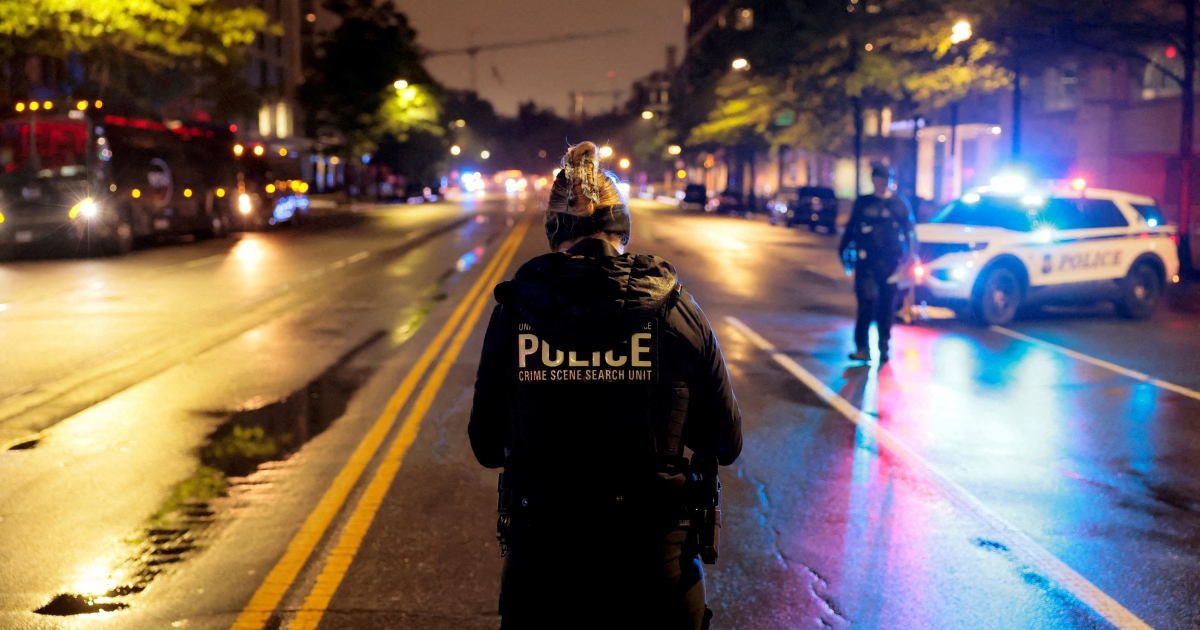
A person struck by gunfire during an armed confrontation between Secret Service personnel and an assailant at the White House perimeter in May is moving forward with legal action against the federal protective agency. The injured party's legal representatives confirmed they intend to lodge a personal injury claim on Tuesday, marking an escalation in fallout from the incident.
The May incident near the nation's most heavily guarded residence raises significant questions about operational procedures during active security threats and the extent to which civilian bystanders should bear the consequences of security responses. Such cases often hinge on whether security personnel followed established protocols and whether reasonable precautions were taken to shield non-combatants from crossfire.
The lawsuit represents a growing legal challenge to federal agencies when civilian injuries occur during law enforcement or security operations on sensitive government property. Past cases involving bystander injuries have produced mixed outcomes, with courts typically examining whether protective measures were adequate and whether agents acted with proper restraint.
For Malaysian readers and the broader Southeast Asian context, this case underscores a critical tension in security operations worldwide. When highly sensitive sites require protection, balancing threat neutralization with civilian safety becomes extraordinarily complex. The region's own security challenges, from border incidents to airport security situations, involve similar dilemmas about proportionality and protective measures.
The specific circumstances of what prompted the shooting, how many rounds were discharged, and where the bystander was positioned relative to the confrontation will likely form the crux of legal arguments. Documentation of the threat assessment, communications between responding officers, and whether warning protocols were activated typically becomes central to these proceedings.
Federal agencies defending such claims generally argue that their personnel acted within authorized procedures to address an imminent security threat. They typically contend that agents exercised appropriate judgment given the dangerous circumstances and that bystander injuries, while regrettable, resulted from the actions of the armed individual rather than negligence by protective personnel.
The plaintiff's legal team will probably emphasize factors such as the proximity of civilians, the availability of alternative tactics, and whether sufficient cordoning or evacuation procedures were implemented before force was used. They may also examine whether the perceived threat level truly justified the intensity of the response that resulted in civilian casualties.
Successful outcomes for bystanders in such litigation remain challenging, as courts often grant considerable deference to security professionals' on-site judgments during active threats. However, evidence of procedural violations, inadequate planning, or excessive force can tip the scales toward plaintiffs.
This case also reflects broader national security debates in the United States about protective measures at iconic government buildings and whether current protocols adequately safeguard both national security and public safety. The White House, as the executive residence and seat of presidential power, maintains extraordinarily stringent security arrangements that are nonetheless periodically tested by security breaches or confrontations.
The incident highlights the real human cost of security incidents that capture headlines for brief moments but leave lasting physical and psychological consequences for those unexpectedly caught in the crossfire. Bystanders at the scene face trauma, medical expenses, and ongoing recovery challenges that extend far beyond the immediate news cycle.
From a procedural standpoint, the lawsuit likely to be filed will navigate federal tort claims procedures, which differ substantially from ordinary civil litigation. The United States typically enjoys sovereign immunity protections that limit liability, though specific statutory exceptions allow claims against federal agencies for certain negligent acts committed by employees acting within the scope of their duties.
The outcome of this litigation will potentially establish precedent for how future similar incidents are addressed legally and may influence policy discussions regarding civilian protection during security operations at federal sites. International security practitioners and Southeast Asian security professionals often observe such cases to understand how different jurisdictions balance protection imperatives against civilian rights and institutional accountability.
Beyond the immediate legal dispute, the case underscores the importance of transparent investigations, clear communication protocols, and documented decision-making processes in high-stakes security scenarios. For nations and institutions managing sensitive facilities, such incidents provide cautionary lessons about the necessity of comprehensive training, rules of engagement clarity, and post-incident accountability measures.

