Johor's Machap state constituency presents a peculiar electoral puzzle: while nearly half of registered voters are young adults between 25 and 45 years old, the majority have relocated to pursue livelihoods elsewhere, leaving behind communities increasingly dominated by retirees and elderly residents. This demographic imbalance has become a defining challenge for the region and a focal point in the run-up to the July 11 state election, with candidates grappling with how to reverse a trend that reflects deeper structural problems affecting rural and semi-rural Malaysia.
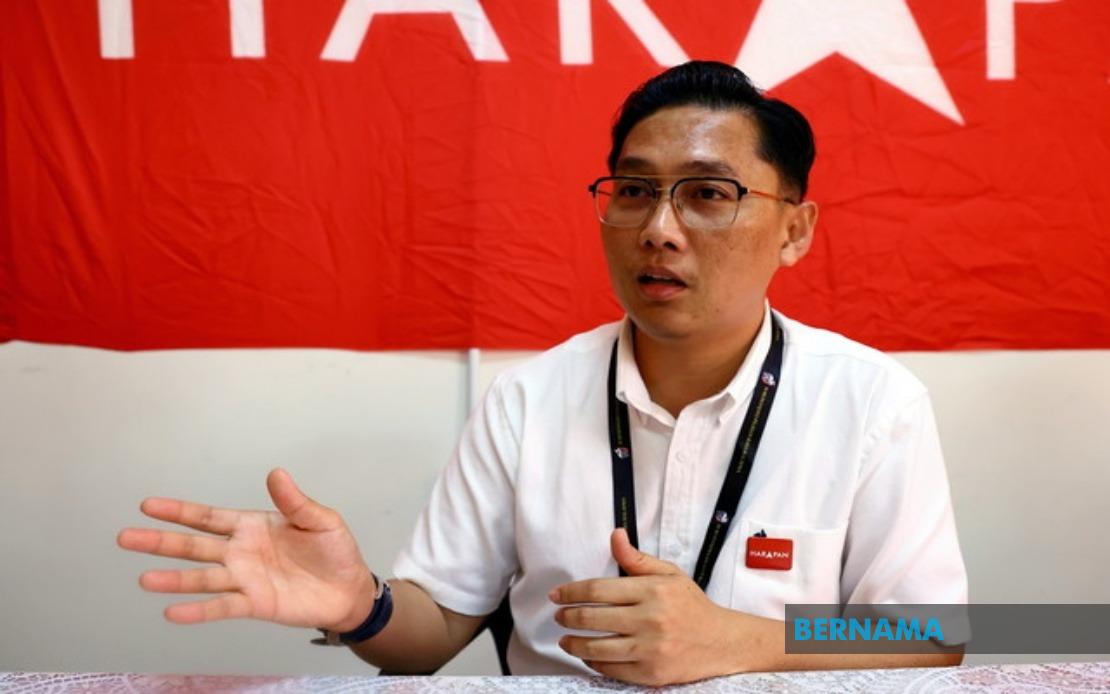
Pakatan Harapan's candidate Nur Hafiz Roslan has identified youth exodus as central to his campaign platform, viewing the migration not as inevitable economic mobility but as evidence of policy failure. In an interview at Kluang, Nur Hafiz articulated a diagnosis that extends beyond simple rural-urban migration narratives. He pointed to inadequate infrastructure investment and the scarcity of meaningful employment prospects as the primary culprits driving younger residents to seek opportunities in established economic hubs such as the Klang Valley and even across the border in Singapore. Demographic data he cited suggests that roughly 60 per cent of those who currently reside full-time in the constituency are senior citizens, a stark reversal that raises questions about the sustainability of community institutions, consumer spending patterns, and local economic vitality.
The electoral roll itself presents the paradox at the heart of this contest. Among registered voters, those aged 25 to 45 constitute nearly 51 per cent of the total electorate—a demographic cohort that should represent Machap's future and electoral strength. Yet the reality on the ground tells a different story: the vast majority of these younger voters have built their professional and personal lives outside the constituency. They work in established industrial zones, live in urban centres with better amenities, and maintain only nominal ties to their hometown. This creates a governance challenge for any elected representative, as they must respond to constituents who have effectively departed while still attending to those who remain.
Nur Hafiz's campaign strategy reflects an understanding that traditional ground operations have limited reach when the target audience is geographically dispersed. The PH machinery has accordingly pivoted toward digital engagement, deploying social media platforms and online channels to communicate directly with outstation voters. This technological adaptation acknowledges that candidates cannot rely solely on physical presence and grassroots meetings when so many potential voters live and work elsewhere. The strategy attempts to bridge the geographical divide by bringing campaign messages and policy commitments into the digital spaces where dispersed voters actually spend their time.
Central to Nur Hafiz's platform is a commitment to improve the material conditions that drive emigration in the first place. He has emphasised infrastructure development and expanded internet connectivity as priorities that could make Machap more attractive to residents and businesses alike. Enhanced broadband coverage, in particular, could enable remote work arrangements that would allow younger residents to remain in the constituency while maintaining professional connections to external markets. Similarly, infrastructure investments—whether in roads, utilities, or commercial facilities—could catalyse local economic activity and create employment opportunities that currently do not exist.
The candidate's name carries symbolic weight in his campaign messaging. Nur Hafiz, meaning "light," has become a metaphor for renewal and positive change. He has explicitly invoked this wordplay, positioning himself as a figure who will illuminate new pathways for Machap's development. This rhetorical framing taps into broader sentiments of hope and transformation, suggesting that the exodus problem is not intractable but rather requires fresh vision and committed leadership. Whether this symbolism translates into concrete policy outcomes remains a question only voters and time can answer.
The direct appeal to outstation voters forms another crucial element of the campaign. Nur Hafiz has specifically called on Machap natives living away to return for the election on July 11, framing the act of voting as a civic responsibility toward both parents who remain in the constituency and the broader community. This mobilisation effort recognises that even if young voters cannot or will not permanently relocate, their participation in this election could influence the direction of local governance. The emotional appeal to filial duty and hometown loyalty attempts to convert sentimental attachment into electoral action.
Nur Hafiz faces a formidable opponent in the incumbent Menteri Besar Datuk Onn Hafiz Ghazi, representing Barisan Nasional, in what has shaped up as a two-candidate contest. This straight fight elevates the stakes and simplifies the choice for voters, both those physically present in Machap and those casting ballots from afar. The Menteri Besar's position affords him the resources and visibility of state executive office, yet the youth exodus issue presents a potential vulnerability if voters perceive it as evidence of insufficient attention to the constituency's long-term development needs.
For Malaysian observers monitoring this race, Machap's challenges resonate across numerous constituencies nationwide. The pattern of young adults departing for economic opportunity while elderly populations remain is replicated in many semi-rural and rural areas from Peninsular Malaysia to Sarawak and Sabah. How candidates address this issue—whether through infrastructure promises, job creation pledges, or technological solutions—may offer insights into emerging political narratives around rural development and generational economic equity. The July 11 election will reveal whether voters believe Nur Hafiz's vision for renewal or prefer to retain Onn Hafiz's stewardship of the state.
The outcome in Machap will likely hinge on whether outstation voters feel sufficiently motivated to return and whether those remaining in the constituency believe that promised infrastructure and employment initiatives are credible and imminent. It will also depend on how effectively each candidate mobilises support through their respective networks and communication strategies. In a constituency where half the registered voters live outside its borders, the campaign that best reaches and persuades distant constituents while remaining responsive to present residents may emerge victorious.

