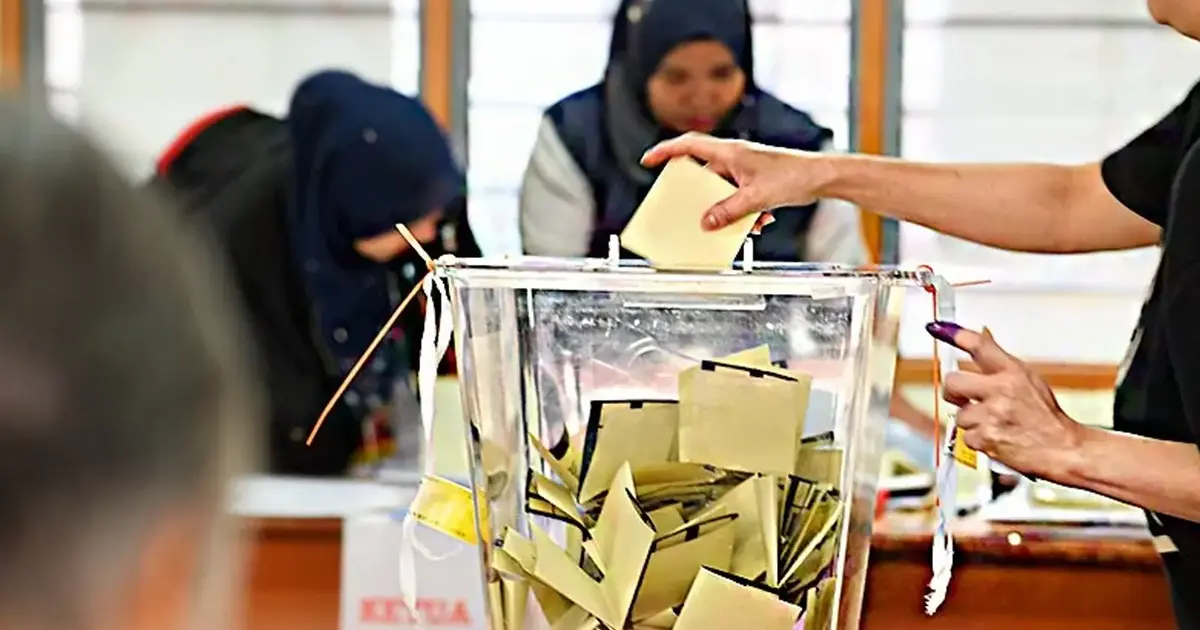
Johor's forthcoming electoral contest may ultimately be decided not by traditional strongholds or long-established political machinery, but rather by voters in their twenties and thirties—a generation grappling with acute economic pressures and uncertain futures. Political analysts tracking the state's demographic patterns have identified the 21-39 age cohort as the pivotal swing group capable of reshaping Johor's political landscape, a finding that should prompt both incumbent and opposition forces to fundamentally reassess their campaign messaging and policy commitments.
The significance of this younger demographic cannot be overstated in the Malaysian context. Unlike previous electoral cycles where established party networks and rural support bases held decisive sway, contemporary Johor politics is being reshaped by an emerging generation far more concerned with tangible improvements to their material circumstances than with historical grievances or identity-based appeals. This cohort has witnessed Malaysia's economic slowdown firsthand, experienced the prolonged effects of the COVID-19 pandemic on employment prospects, and confronted housing costs that have spiralled beyond the reach of ordinary wage earners.
Economic stability represents perhaps the most pressing concern animating this age group's electoral calculations. Young adults in their twenties and thirties are navigating a labour market characterised by wage stagnation, contract-based employment arrangements that offer minimal security, and growing competition from automation and artificial intelligence. For many, the promise of steady income and career progression that defined their parents' working lives has become increasingly elusive. Political parties that fail to articulate concrete solutions to unemployment and underemployment—particularly in skilled trades and professional sectors—risk losing relevance with voters who measure political performance in direct economic terms.
The jobs question intersects critically with another concern dominating young voters' minds: housing accessibility. In Johor, as throughout Malaysia, property prices have accelerated dramatically, outpacing wage growth by substantial margins. Young families seeking to purchase their first home now confront down payments and mortgage obligations that consume disproportionate portions of household income. Rental markets in urban centres like Johor Bahru have similarly tightened, creating an affordability crisis that political parties cannot ignore. Candidates offering merely sympathetic rhetoric rather than ambitious housing programmes are unlikely to persuade voters wrestling with this existential challenge.
Family commitments present another dimension of the economic anxiety reshaping youth electoral behaviour. Many voters in this age bracket are simultaneously managing childcare expenses, education costs for dependents, elderly parent support obligations, and their own financial security needs. The absence of comprehensive social safety nets or affordable childcare infrastructure transforms personal financial management into a grinding daily struggle. Parties proposing expansive family support systems, improved parental benefits, and accessible early childhood education facilities thus possess meaningful electoral advantages over competitors offering nothing beyond vague promises of future prosperity.
What distinguishes contemporary youth political engagement from earlier generational patterns is its fundamentally pragmatic character. Younger voters increasingly demonstrate less patience with ideological abstractions or personality-driven politics. Instead, they evaluate parties and candidates through a rigorous cost-benefit lens, asking directly what tangible improvements politicians can deliver to their household finances and life prospects. This orientation creates both opportunities and vulnerabilities for competing political coalitions attempting to court this demographic.
For established parties, particularly those holding state power, the challenge lies in demonstrating that their governance has materially benefited young constituents. Generic claims about development and progress no longer suffice; younger voters expect specific evidence of improved employment outcomes, expanded affordable housing, reduced living costs, and enhanced social services. Incumbent administrations unable to point to concrete achievements addressing these priorities face electoral vulnerability despite their institutional advantages.
Opposition parties, conversely, can capitalize on younger voters' dissatisfaction with current circumstances by articulating compelling alternative policy frameworks. However, they too confront a credibility test: younger voters increasingly demand detailed, costed policy proposals rather than merely anti-incumbent positioning. Generic opposition messaging criticising the government without offering substantive alternatives struggles to mobilise this demographic as effectively as comprehensive policy platforms addressing identifiable problems with proposed solutions.
The regionalisation of youth concerns also matters significantly for Johor specifically. As Malaysia's most industrialised southern state, Johor hosts diverse economic sectors and labour markets. Manufacturing hub Kulai faces different employment challenges than services-oriented Johor Bahru; agricultural regions confront distinct rural youth exodus pressures; and port-dependent areas experience unique economic vulnerabilities. Political parties addressing youth concerns with monolithic statewide approaches risk missing opportunities to speak directly to locality-specific anxieties affecting younger constituents in different Johor districts.
Social media and digital communication platforms have simultaneously transformed how younger voters access political information and evaluate candidate credibility. Traditional party machinery, while still relevant, no longer monopolises political discourse in ways benefiting established political formations. Parties attempting to reach younger demographics must develop authentic digital presence, transparent communication strategies, and demonstrated responsiveness to online constituent engagement. Institutional heavyweights unable or unwilling to adapt communication methods face generational disconnection regardless of their policy offerings.
The timing of this electoral cycle also carries significance. Post-pandemic economic disruptions continue reverberating through Malaysian labour and housing markets, meaning younger voters' anxieties remain acute and politically salient. Political parties recognising this moment's urgency and responding with ambitious, credible proposals addressing youth economic security stand positioned to reshape Johor's electoral terrain in their favour.
Ultimately, Johor's election outcome may hinge less on traditional considerations of party loyalty, ethnic politics, or established support bases than on which political forces most convincingly persuade voters aged 21-39 that they have genuinely understood their circumstances and can deliver meaningful improvement. In this regard, younger voters function not merely as an important demographic segment but as an emerging electoral force capable of rendering previous political calculations obsolete.