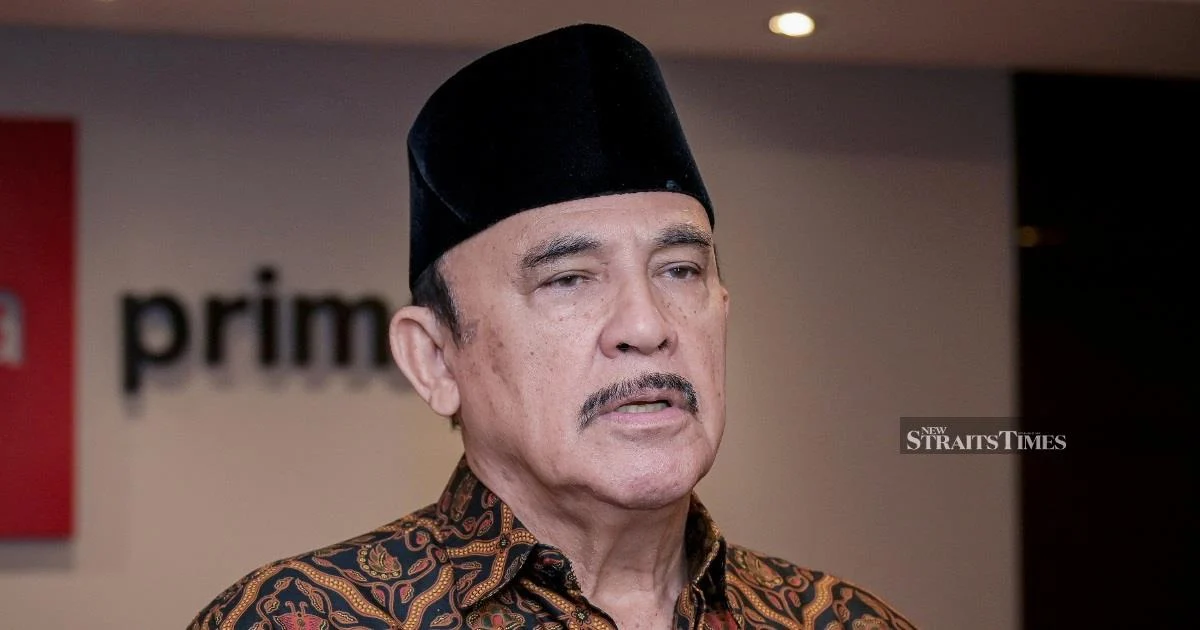
Datuk Yusof Haslam, one of Malaysia's most respected film producers, has signalled his intention to remain on the sidelines as actress Tisha Shamsir navigates a complex legal situation that has captured public attention. The acclaimed filmmaker's measured stance reflects a broader sentiment within entertainment circles that judicial matters must run their course without industry interference, even when high-profile personalities are involved.
Shamsir currently faces court proceedings stemming from her arrest at an entertainment venue in Kuala Lumpur, where she tested positive for drugs during what authorities describe as a routine operation. The incident marks a significant turning point in her career and public image, transforming her from a regular presence in Malaysian dramas and films into the subject of widespread media scrutiny and public discourse.
Yusof Haslam's public comments on the matter underscore a philosophical approach that distinguishes between personal sympathy and institutional boundaries. By declining to use his considerable influence within the industry to shape outcomes, he implicitly reinforces the principle that legal accountability should not be diluted by professional connections or celebrity status. This positioning is particularly notable given his stature as a veteran filmmaker whose opinion carries weight among peers and stakeholders in Malaysia's entertainment ecosystem.
The producer's assertion that everyone makes mistakes carries particular resonance in a society where rehabilitation and redemption remain contested social values. Malaysia's approach to drug-related offences has historically been stringent, with mandatory minimum sentences reflecting a zero-tolerance policy that differs markedly from decriminalisation frameworks adopted in some Western jurisdictions. Within this context, Yusof Haslam's compassionate framing suggests the possibility of social reintegration following appropriate legal consequences.
Shamsir's case has sparked broader conversations about substance abuse within entertainment industries globally, and Malaysia is no exception. The visibility of her situation has inadvertently shone light on issues that industry participants often prefer to address privately or not at all. Public figures have typically avoided commenting on colleagues facing legal jeopardy, viewing such situations as both legally risky and professionally uncomfortable.
The timing of Yusof Haslam's remarks coincides with increasing public awareness of mental health and addiction support services in Malaysia. Rather than viewing drug-related offences purely through a criminal lens, contemporary discourse increasingly acknowledges underlying factors including dependency, psychological distress, and social pressures that may contribute to substance use among entertainment professionals. The producer's empathetic language subtly reflects this evolving understanding.
For Malaysian audiences and industry observers, Yusof Haslam's deference to the court system sends an important signal about institutional respect and the separation between entertainment industry norms and legal processes. His refusal to publicly campaign for leniency or dismissal protects the integrity of judicial proceedings while simultaneously demonstrating that professional relationships need not translate into inappropriate advocacy within the legal system.
Shamsir's journey through the court system will likely take months or years to reach resolution, during which her professional prospects remain uncertain. The entertainment industry, despite its glamorous public facade, operates within Malaysia's broader legal and social frameworks. Producers and studios must carefully navigate decisions about employing individuals with pending legal matters, balancing commercial considerations against reputational risks and ethical responsibilities.
Yusof Haslam's decades-long career have been built on navigating complex social and political terrain while maintaining artistic credibility. His approach to Shamsir's predicament reflects accumulated wisdom about when to engage publicly and when to step back. By expressing compassionate hope while respecting judicial independence, he models behaviour that other industry figures might emulate when similar situations inevitably arise.
The broader implications of this case extend beyond Shamsir's individual circumstances. Malaysian entertainment currently lacks robust support systems for personnel struggling with substance abuse or other challenges. Unlike some international film industries that have invested in counselling services and rehabilitation programmes accessible to industry workers, Malaysia's entertainment sector remains largely dependent on informal networks and personal relationships for addressing such matters.
Yusof Haslam's measured response also reflects generational differences within Malaysia's film industry. Veteran producers who achieved prominence through decades of work have often developed perspectives on human fallibility that differ from younger participants who may view mistakes more harshly through social media-amplified public opinion. His willingness to frame Shamsir's situation as a learning opportunity rather than a career-ending catastrophe suggests a more nuanced understanding of redemption and professional reinstatement.
As Shamsir awaits judicial proceedings, the Malaysian entertainment industry collectively holds its breath, aware that how this case concludes may set precedents for future situations involving high-profile figures and legal involvement. Yusof Haslam's deliberate choice to remain supportive yet institutionally respectful establishes a template that prioritises both compassion and the rule of law—a balance increasingly important in modern Malaysia.

